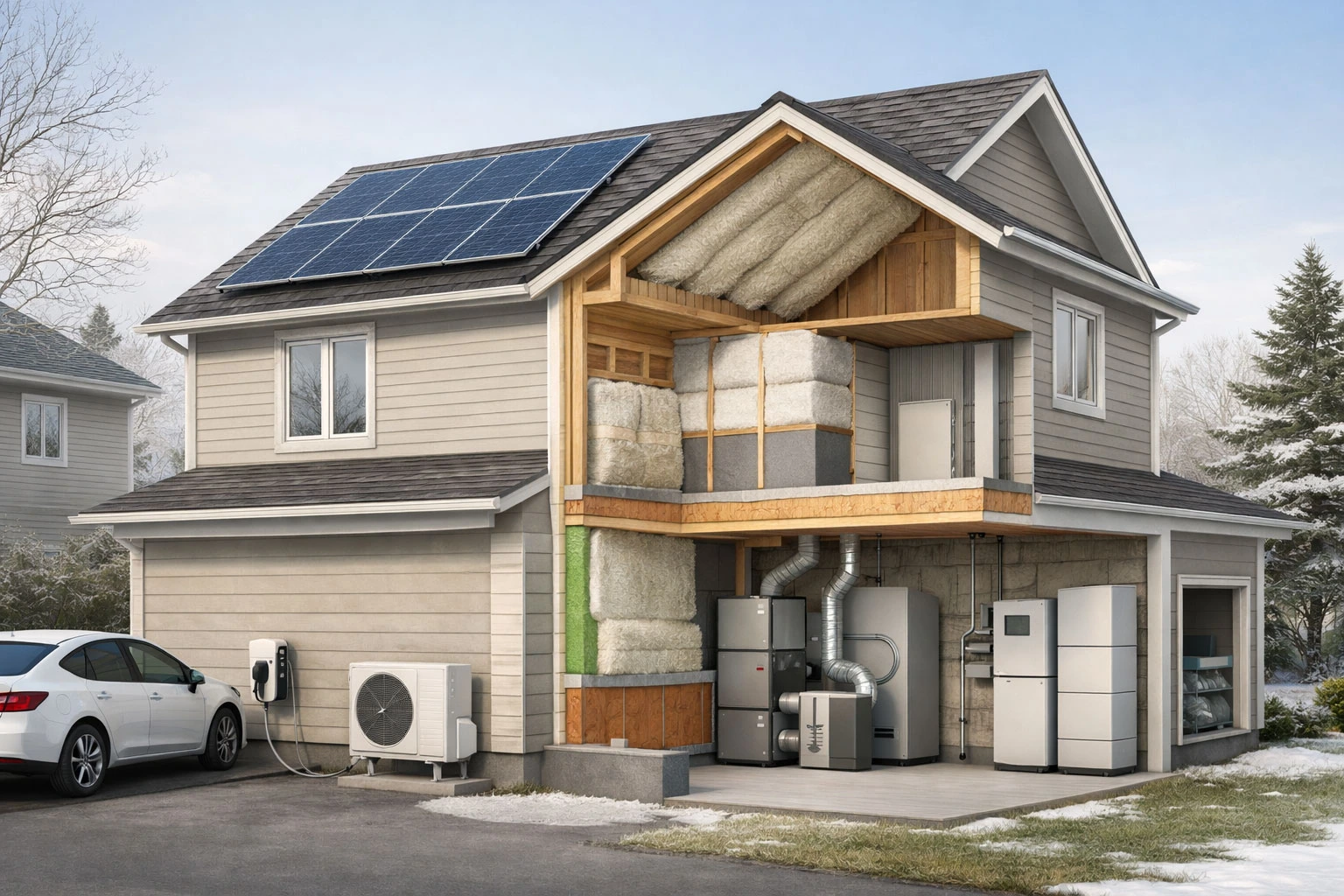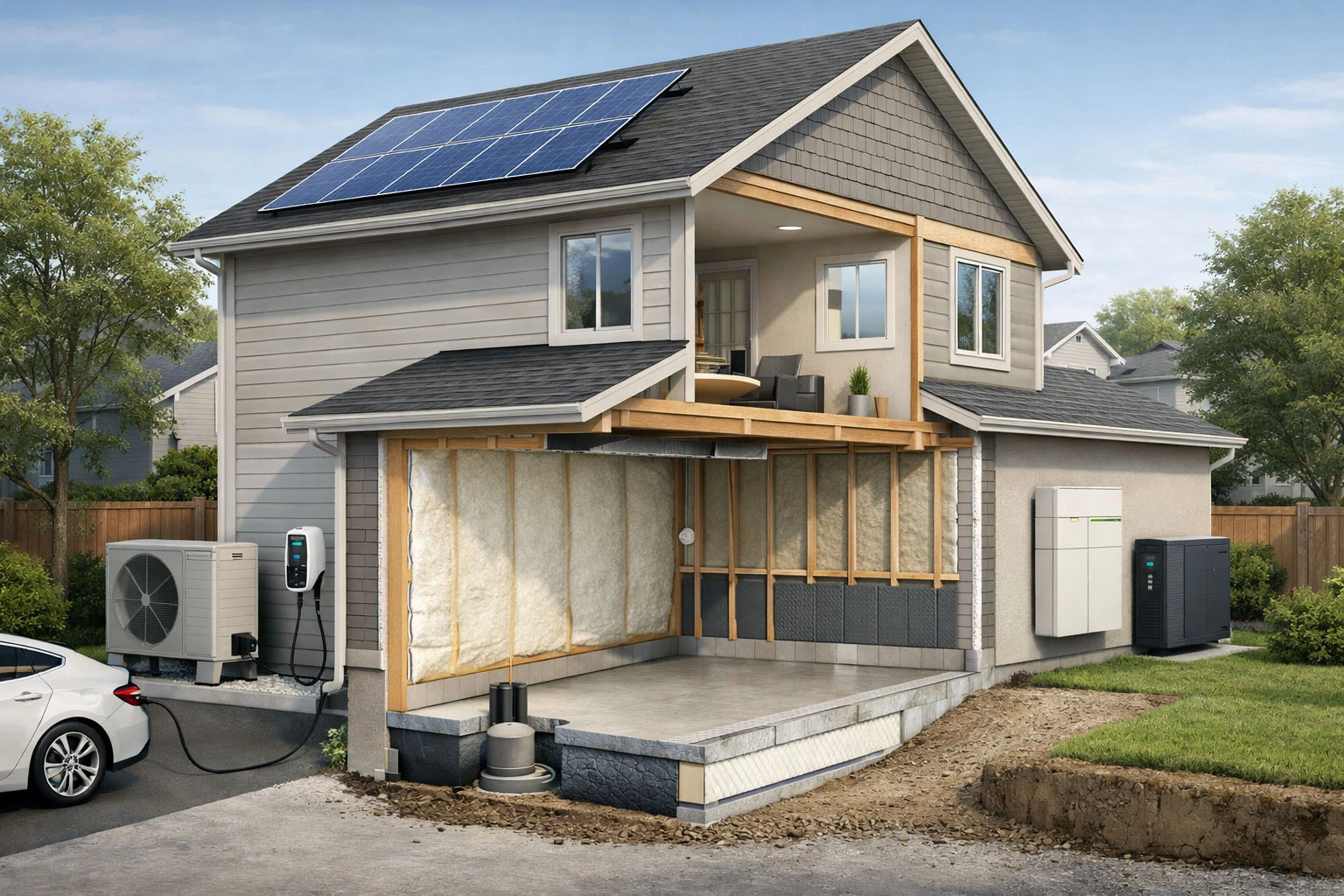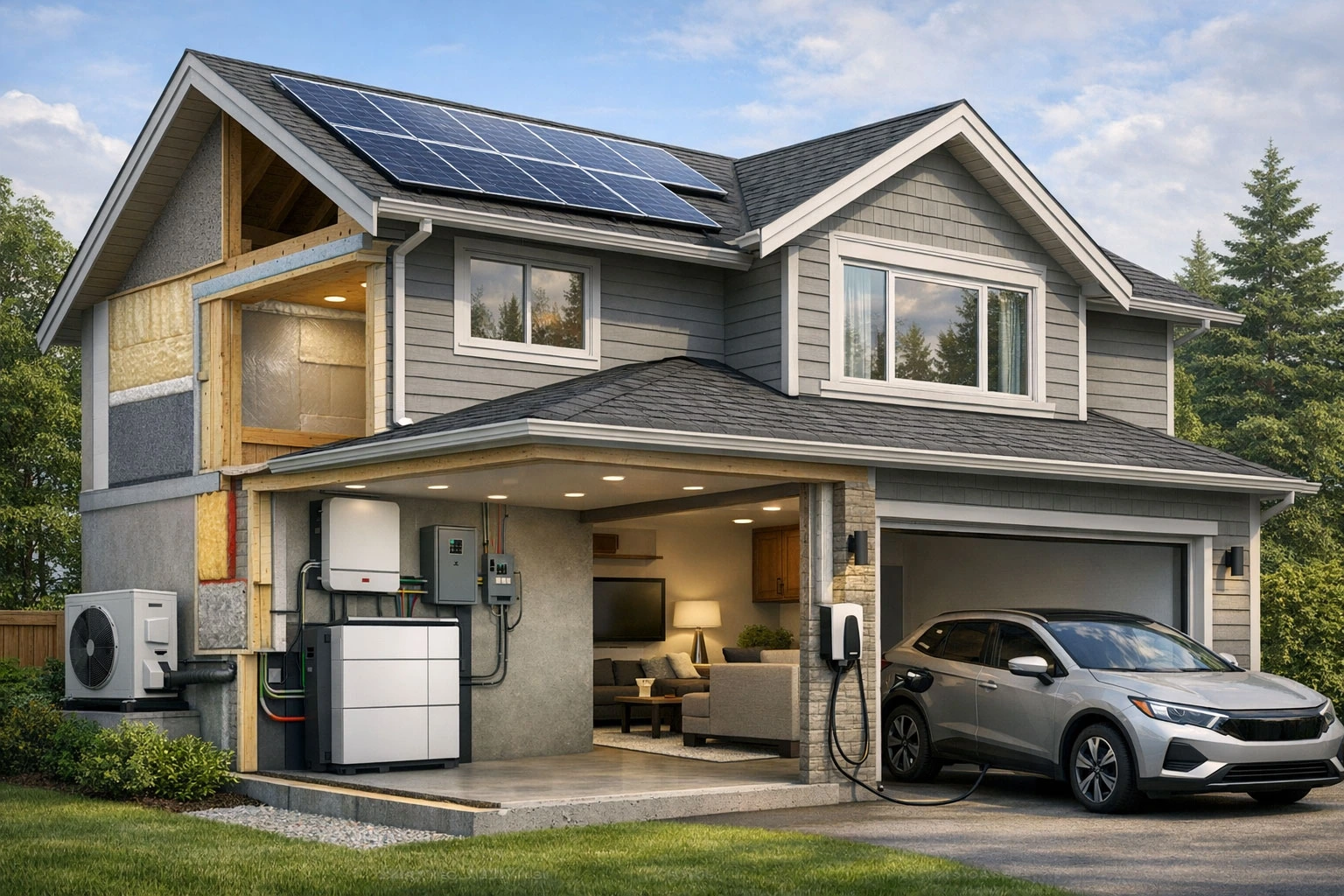
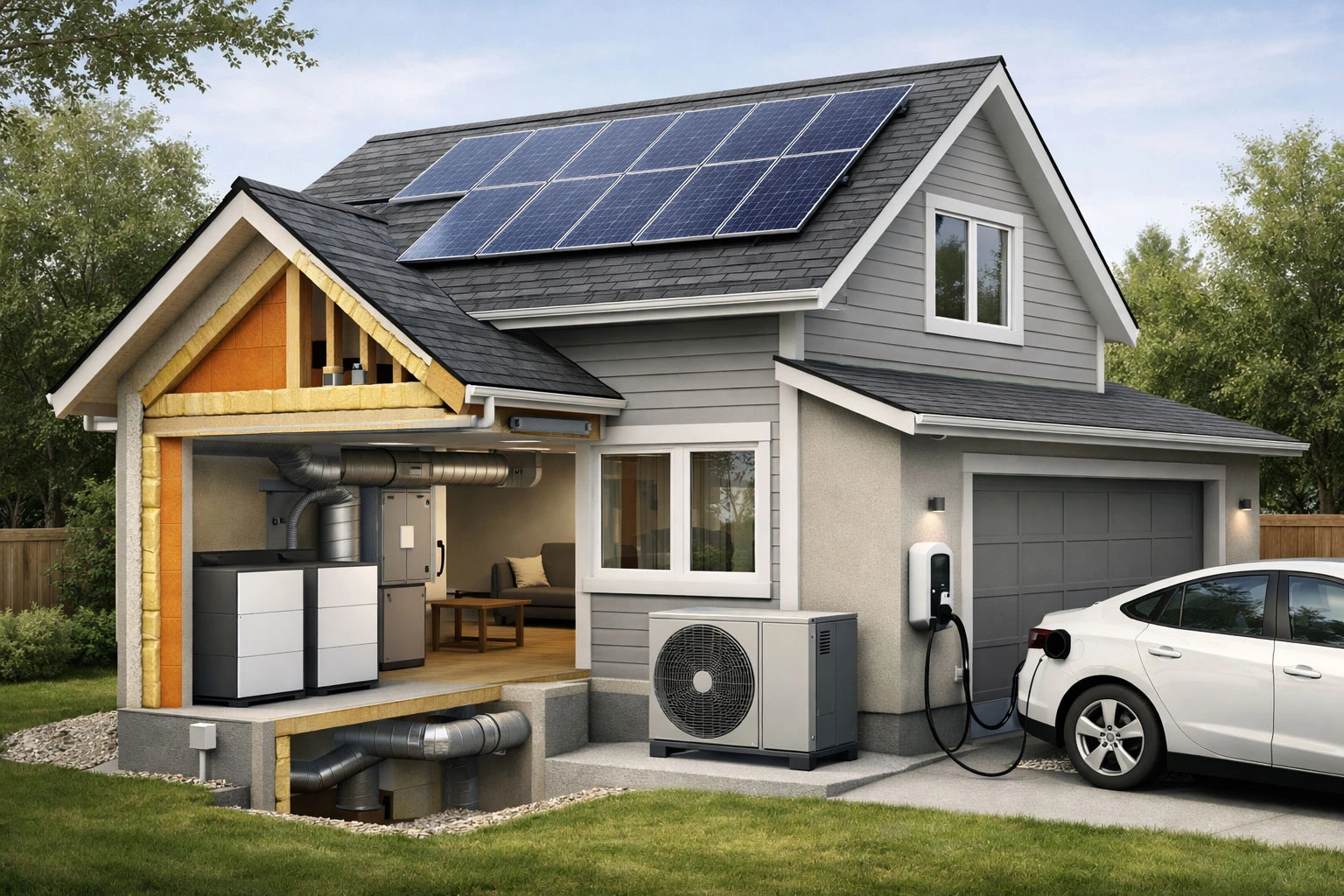

A Familiar Dilemma for Canadian Homeowners
It’s a cold January morning in Ontario. Your heating system has been running steadily all night, and you’re bracing yourself for the next utility bill. At the same time, you’ve been hearing more about heat pumps and solar panels two technologies often mentioned in the same breath when people talk about lowering energy costs and reducing carbon emissions.
But a practical question keeps coming up:
Can solar power actually run a heat pump in a Canadian climate?
The short answer is yes but the full picture is more nuanced. Understanding how these systems work together, what they cost, and when they make sense is essential before making any investment.
This guide walks you through everything you need to know in a clear, grounded way.
How Solar Power and Heat Pumps Work Together
What a Heat Pump Actually Does
A heat pump doesn’t “create” heat like a furnace. Instead, it moves heat from one place to another. Even in cold climates, there is still heat energy in the outdoor air, and modern cold-climate heat pumps can extract it efficiently.
In winter:
- Heat is pulled from outside air and moved indoors
In summer:
- The system reverses, acting like an air conditioner
Because it moves heat rather than generating it, a heat pump can deliver 2–4 times more energy than it consumes in electricity.
Where Solar Comes In
Solar panels generate electricity during daylight hours. That electricity can be used to power your home including your heat pump.
In practical terms:
- Your solar system offsets the electricity your heat pump uses
- Excess generation can be exported to the grid (via net metering in Ontario)
- At night or during low production periods, you draw from the grid as usual
So while solar panels don’t directly “run” the heat pump 24/7, they can significantly offset or even fully cover its annual energy use.
Can Solar Fully Power a Heat Pump in Canada?
This is where expectations need to be realistic.
The Seasonal Mismatch
In Ontario and similar climates:
- Solar production peaks in summer
- Heating demand peaks in winter
That creates a mismatch.
For example:
- In July, your solar system may produce more energy than you need
- In January, your heat pump may rely heavily on grid electricity
How Homeowners Bridge the Gap
Most Canadian homes rely on:
- Net metering: Summer overproduction earns credits used in winter
- Grid backup: Ensures reliability during cold, dark periods
Some homeowners also add:
- Battery storage (less common due to cost, but growing in popularity)
Bottom Line
Yes, solar can “run” a heat pump over the course of a year but not necessarily in real-time, especially in winter.
Cost Considerations in Canada
Understanding the combined investment is key.
Typical Cost Ranges
Heat Pump System:
- $10,000 to $20,000+ depending on home size and system type
Solar Panel System:
- $15,000 to $30,000+ depending on system size and roof conditions
Combined, you’re often looking at:
- $25,000 to $50,000+ before incentives
What Affects Cost
Several factors influence your final price:
- Home size and insulation quality
- Existing heating system (retrofit vs. new build)
- Electrical panel capacity
- Roof orientation and shading
- Desired level of energy independence
Incentives and Rebates
Canadian homeowners especially in Ontario can access:
- Federal programs supporting energy-efficient upgrades
- Provincial or utility-based incentives
- Financing programs tied to energy improvements
While rebate amounts change over time, they can significantly reduce upfront costs, particularly for heat pumps and energy audits.
Energy Savings and Return on Investment
Where the Savings Come From
The financial case comes from two main areas:
- Reduced heating costs
- Heat pumps are more efficient than gas or electric resistance heating
- Reduced electricity bills
- Solar offsets your consumption
Realistic Expectations
A typical Ontario homeowner might see:
- 30–60% reduction in total energy bills (depending on setup)
- Greater savings if replacing electric baseboard or oil heating
- Moderate savings if replacing high-efficiency natural gas
Payback Timeline
- Solar systems: ~8–15 years
- Heat pumps: ~7–12 years
Combined systems often:
- Improve long-term ROI
- Provide stronger protection against rising energy prices
But this is not a “quick win.” It’s a long-term investment in stability and efficiency.
Common Mistakes Homeowners Make
Many homeowners jump into upgrades without a clear plan. Here are the most common pitfalls:
1. Oversizing or Undersizing Systems
- Installing too small a solar system won’t offset enough energy
- Oversized systems may not deliver proportional value
2. Ignoring the Building Envelope
- Poor insulation and air leaks reduce heat pump efficiency
- Solar doesn’t fix a leaky home
3. Expecting Full Winter Independence
- Solar alone rarely covers peak winter heating demand in Canada
4. Skipping an Energy Assessment
- Without data, decisions are based on assumptions
5. Installing Systems in the Wrong Order
- Upgrading insulation after installing solar may reduce your needed system size leading to overspending
Step-by-Step: How to Decide If This Is Right for You
If you’re considering solar + heat pump, follow this practical sequence:
Step 1: Start with an Energy Audit
Understand:
- Where your home loses heat
- Your current energy usage
Step 2: Improve Efficiency First
Focus on:
Step 3: Evaluate Heat Pump Options
Consider:
- Cold-climate performance
- Backup heating requirements
- Compatibility with your home
Step 4: Size a Solar System Based on Actual Needs
Don’t guess. Base it on:
- Post-upgrade energy usage
- Roof capacity
Step 5: Review Incentives and Financing
Take advantage of:
- Available rebates
- Low-interest financing programs
Step 6: Plan for the Long Term
Think beyond today:
- EV charging
- Future electricity rates
- Potential battery storage
When This Upgrade Makes Sense and When It Doesn’t
Makes Sense If:
- You plan to stay in your home long-term
- Your home is (or will be) well-insulated
- You want to reduce reliance on fossil fuels
- You have a suitable roof for solar
- You’re facing high electricity or heating costs
May Not Make Sense If:
- You plan to move within a few years
- Your home has major unresolved efficiency issues
- Your roof is shaded or structurally unsuitable
- You’re expecting immediate financial returns
How Solar + Heat Pump Fits into a Net Zero Roadmap
For homeowners aiming toward net zero, this combination is a cornerstone strategy.
A typical roadmap looks like:
- Reduce demand
- Electrify systems
- Replace fossil fuel heating with a heat pump
- Generate clean energy
- Install solar panels
- Optimize and store energy
- Smart controls, optional battery storage
This approach ensures you’re not just producing clean energy but using less of it in the first place.
Final Thoughts: A Smart, Strategic Upgrade
So, can solar power run a heat pump?
Yes but the real value comes from how the two systems work together over time.
For Canadian homeowners, especially in Ontario, this combination offers:
- Lower energy bills
- Improved home comfort
- Reduced environmental impact
- Greater resilience against rising energy costs
But it only works well when planned carefully, with the right sequence and realistic expectations.
Book a Consultation
If you’re considering solar panels, a heat pump, or both, the best next step is a personalized plan.
Book a consultation with Net Zero Homes Consulting to get a customized upgrade roadmap tailored to your home, budget, and long-term goals.