
The Winter Bill Shock Many Homeowners Know Too Well
It’s a familiar moment for many Ontario homeowners. The first deep cold snap hits, the furnace runs almost constantly, and a few weeks later the energy bill arrives much higher than expected. You might start adjusting the thermostat, sealing a drafty window with temporary film, or layering up indoors. But the root issue often isn’t your heating system. It’s your home’s insulation.
Insulation is one of the most talked-about upgrades when it comes to energy efficiency, but it’s also one of the least understood. Homeowners frequently ask: How much will insulation actually reduce my energy bills? The answer is not as simple as a single percentage, but with the right approach, the savings can be both meaningful and long-lasting.
This article breaks down what insulation really does, how much it can save you, what it costs in Canada, and how to make a smart, informed decision.
What Insulation Actually Does (and Why It Matters)
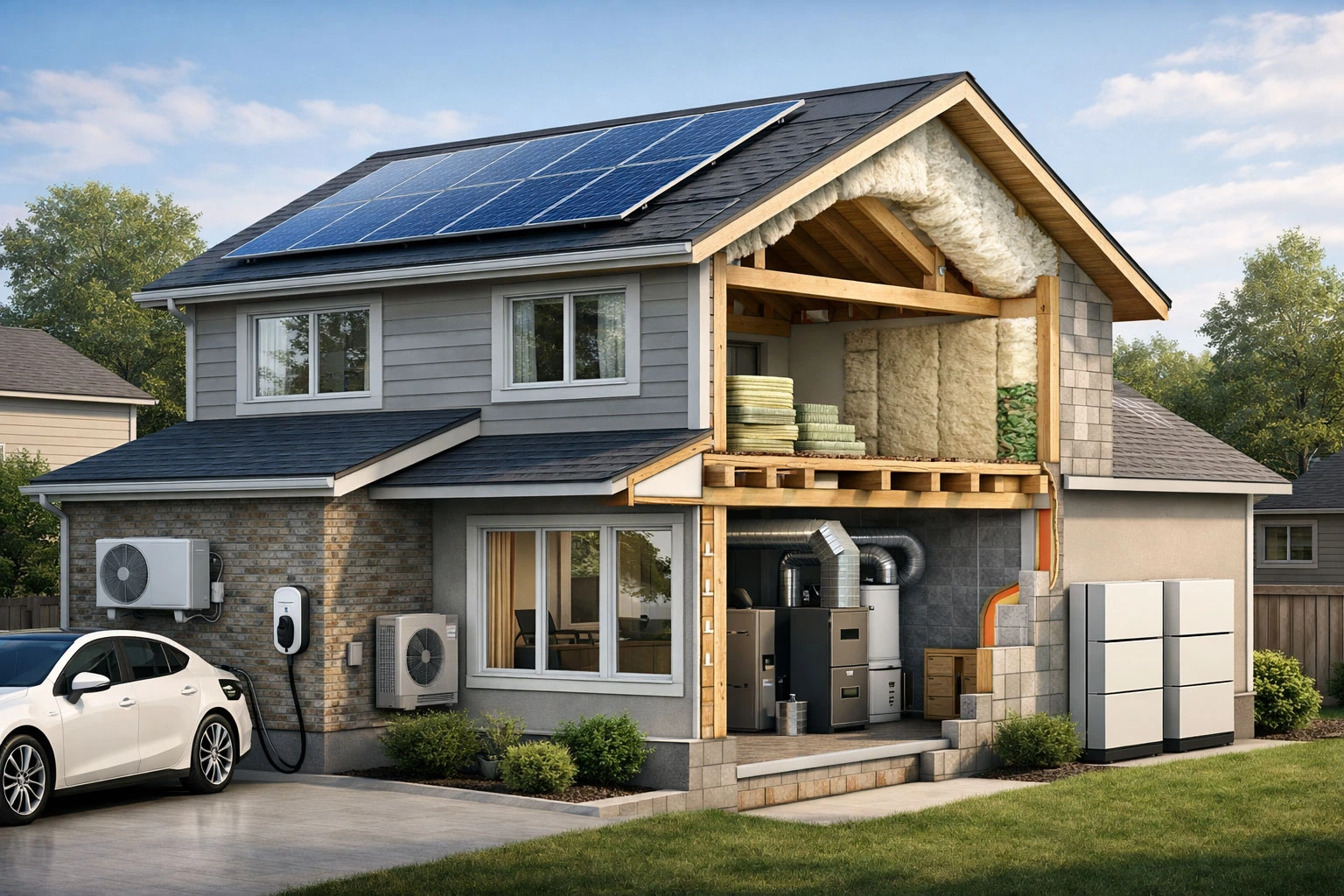
At its core, insulation slows the transfer of heat. In winter, it keeps warm air inside your home. In summer, it helps keep heat out. Without proper insulation, your home loses heat through the attic, walls, basement, and even small air leaks around windows and doors.
In a typical Canadian home, heat loss is often distributed like this:
- Attic: 25–35%
- Walls: 15–25%
- Basement: 10–20%
- Air leaks (drafts): 20–30%
This means even a well-functioning furnace or heat pump can’t compensate for poor insulation. You’re essentially paying to heat (or cool) the outdoors.
Proper insulation doesn’t generate heat it reduces how much you need in the first place.
How Much Can Insulation Reduce Energy Bills?
The most honest answer: it depends on your home’s current condition and where improvements are made.
That said, in Ontario and similar cold climates, homeowners can typically expect:
- 10%–20% reduction from basic upgrades (like topping up attic insulation)
- 20%–40% reduction from comprehensive improvements (attic + air sealing + basement insulation)
- Up to 50%+ reduction in older homes with severe insulation deficiencies
Realistic Example
Consider a detached home in Ontario spending about $3,000 annually on heating and cooling.
- Attic insulation upgrade alone:
Savings of ~$300–$600/year - Attic + air sealing:
Savings of ~$600–$1,000/year - Full envelope upgrade (attic, basement, air sealing, partial wall insulation):
Savings of ~$1,000–$1,500/year
These are not exaggerated figures they align with real energy audits across Canada.
Cost of Insulation Upgrades in Canada
Understanding cost is key to evaluating the return on investment (ROI).
Here’s a general breakdown (Ontario averages):
Attic Insulation (Blown-in Fiberglass or Cellulose)
- Cost: $2,000–$5,000
- Payback: 3–7 years
Basement / Crawlspace Insulation
- Cost: $3,000–$8,000
- Payback: 5–10 years
Wall Insulation (Retrofit)
- Cost: $8,000–$20,000+
- Payback: Longer (10–20 years), often combined with renovations
Air Sealing (Highly Recommended Add-On)
- Cost: $1,000–$3,000
- Payback: 2–5 years
Attic insulation and air sealing typically offer the fastest and most reliable returns.
Understanding ROI Beyond Just Dollars
While energy savings matter, insulation delivers value in several other ways:
1. Improved Comfort
Rooms feel more consistent in temperature. No more freezing bedrooms or overheated living spaces.
2. Reduced Drafts
Air sealing eliminates cold air leaks, making your home feel tighter and more comfortable.
3. Lower HVAC Strain
Your furnace or heat pump doesn’t need to work as hard, extending its lifespan.
4. Increased Home Value
Energy-efficient homes are more attractive to buyers, especially as awareness grows.
5. Protection Against Rising Energy Costs
Energy prices in Canada are expected to increase over time. Insulation locks in long-term savings.
Common Mistakes Homeowners Make
Many homeowners invest in insulation but don’t see the expected results. Here’s why:
1. Skipping Air Sealing
Insulation without air sealing is like wearing a winter coat unzipped. Air leaks can undermine insulation performance significantly.
2. Focusing Only on One Area
Upgrading just the attic while ignoring the basement or major air leaks limits overall impact.
3. Choosing the Wrong Insulation Type
Different areas require different materials. For example:
- Attics: blown-in cellulose or fiberglass
- Basements: rigid foam or spray foam
- Walls: dense-pack cellulose or spray foam
4. Ignoring Moisture Issues
Improper insulation can trap moisture, leading to mold or structural damage.
5. Expecting Instant Results Everywhere
Savings vary. Some upgrades (like walls) take longer to pay off compared to attic improvements.
Step-by-Step: How to Decide What to Do
If you’re feeling unsure, follow this structured approach:
Step 1: Start with an Energy Audit
A professional audit identifies exactly where your home is losing energy. This avoids guesswork.
Step 2: Prioritize High-Impact Areas
In most Ontario homes:
- Attic insulation
- Air sealing
- Basement insulation
These deliver the best ROI.
Step 3: Set a Budget and Timeline
You don’t need to do everything at once. Phased upgrades are common and effective.
Step 4: Combine with Other Upgrades
If you’re planning renovations, insulation upgrades become more cost-effective.
Step 5: Apply for Rebates
Government programs can significantly reduce upfront costs.
Rebates and Incentives in Ontario and Canada
Canadian homeowners have access to various federal and provincial programs designed to encourage energy efficiency.
While exact rebate amounts change over time, programs typically offer:
- Incentives for attic, basement, and wall insulation
- Support for energy audits
- Bonuses for comprehensive upgrades
Programs such as federal energy efficiency initiatives and Ontario-specific programs often require pre- and post-upgrade assessments.
These rebates can reduce your net cost by thousands of dollars, improving ROI significantly.
When Insulation Upgrades Make the Most Sense
Insulation is not always urgent but in certain cases, it becomes a high-priority upgrade.
It Makes Strong Sense If:
- Your home is older (pre-2000, especially pre-1980)
- Energy bills are consistently high
- You feel drafts or uneven temperatures
- Ice dams form on your roof in winter
- You’re planning renovations anyway
It May Not Be a Priority If:
- Your home is already well-insulated (confirmed by audit)
- You’re planning to move very soon
- Major structural issues need attention first
How Insulation Fits into a Net Zero Roadmap
If your long-term goal is a Net Zero or energy-efficient home, insulation is foundational.
Before installing technologies like:
You need to reduce your home’s energy demand. Otherwise, you’re sizing expensive systems to compensate for inefficiencies.
Think of insulation as the first step:
- Reduce energy demand (insulation + air sealing)
- Upgrade heating/cooling systems (heat pump)
- Add renewable energy (solar panels)
Skipping insulation often leads to oversized systems and unnecessary costs.
Conclusion: A Practical Upgrade with Lasting Impact
So, how much does insulation really reduce energy bills?
For most Ontario homeowners, the answer is meaningful but variable typically between 10% and 40%, depending on the scope of work. The biggest gains come from targeting the right areas, combining insulation with air sealing, and approaching upgrades strategically.
More importantly, insulation improves comfort, stabilizes energy costs, and lays the groundwork for future energy upgrades.
It’s not just about saving money this winter. It’s about making your home more efficient for the next 20 to 30 years.
Ready to Take the Next Step?
If you want a clear, customized plan based on your home not generic advice consider booking a consultation with Net Zero Homes Consulting.
A professional assessment can help you prioritize the right upgrades, maximize available rebates, and build a roadmap toward a more comfortable, energy-efficient home.