It’s a cold January morning in Canada. Your furnace has been running almost nonstop overnight, and your energy bill from last month is still sitting on the kitchen counter higher than expected again. You’ve heard about heat pumps. Friends are talking about them. Contractors are recommending them. Government rebates are encouraging them.
But one question keeps coming up:
Can a heat pump actually replace your furnace completely or do you still need both?
The answer isn’t a simple yes or no. It depends on your home, your expectations, and how well the system is designed. Let’s walk through what you need to know so you can make a confident, informed decision.
What Does It Mean to Replace a Furnace with a Heat Pump?
A traditional furnace generates heat usually by burning natural gas, propane, or using electricity. A heat pump works differently. It moves heat rather than creating it.
In winter, it extracts heat from the outside air (even in cold temperatures) and transfers it indoors. In summer, it reverses the process, acting like an air conditioner.
So when we talk about replacing a furnace, we’re really asking:
- Can a heat pump handle 100% of your heating needs, even during extreme cold?
- Can it maintain comfort across all rooms?
- Will it do so efficiently and affordably?
The answer: Yes, in many cases but not always by default.
Understanding Cold Climate Heat Pumps
Older heat pumps struggled in Canadian winters. That’s where skepticism comes from.
Modern cold climate heat pumps (CCHPs) are different. They are designed to operate efficiently at temperatures as low as -20°C or even colder, which covers most Ontario conditions.
However, performance still depends on:
- Proper system sizing
- Quality of installation
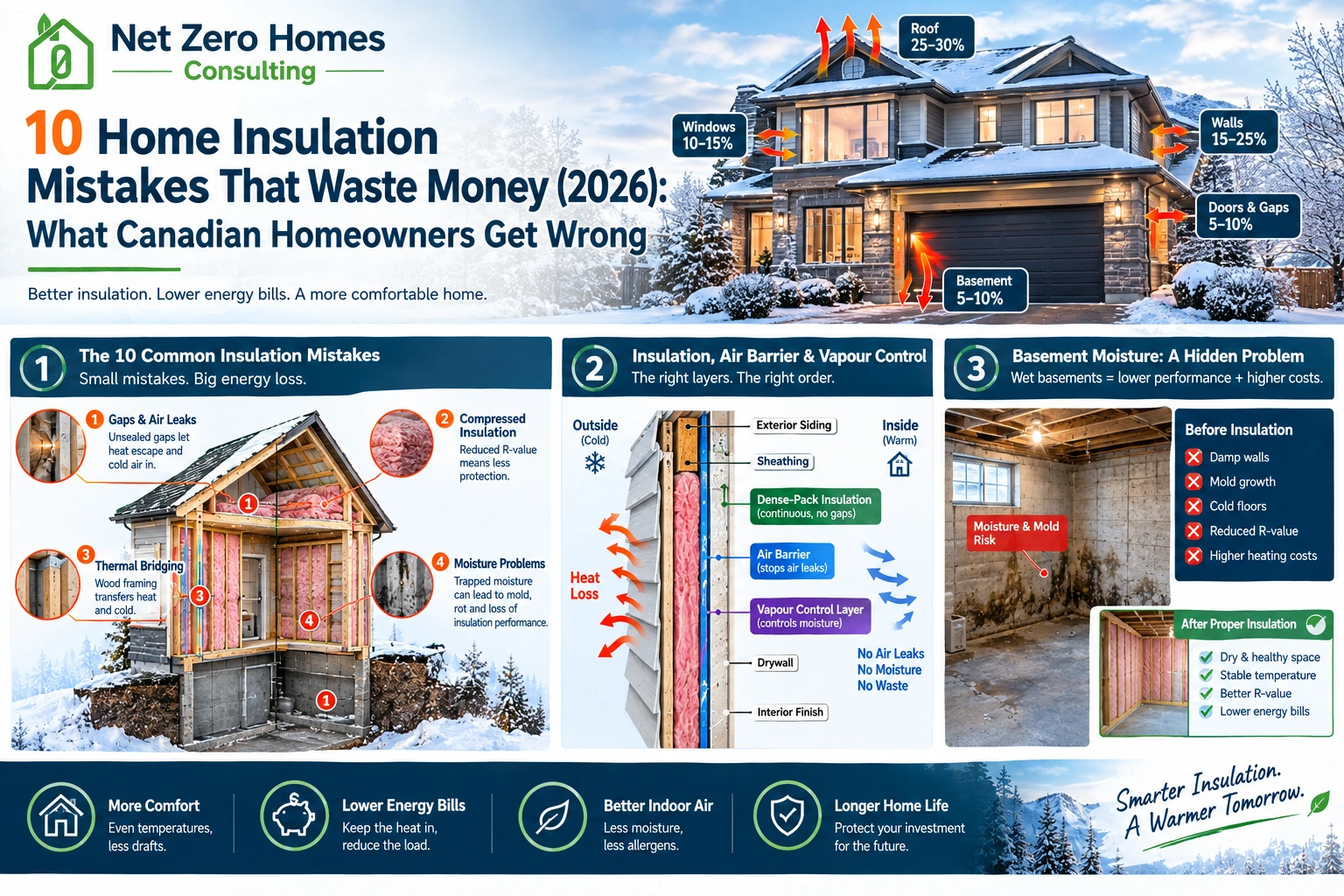
- Home insulation and air sealing
- Backup heating strategy (if needed)
A well-designed system can absolutely replace a furnace but a poorly designed one will leave you uncomfortable.
Cost Considerations in Canada
Replacing a furnace with a heat pump is not just a one-to-one swap. Costs vary depending on system type and home readiness.
Typical Cost Ranges (Ontario Context)
- Cold climate air-source heat pump: Moderate upfront cost
- Ductless mini-split systems: Flexible but may require multiple indoor units
- Ground-source (geothermal): Highest upfront cost, but excellent long-term performance
You may also need:
- Electrical panel upgrades
- Ductwork modifications
- Insulation or air sealing improvements
Important Context
Heat pumps often cost more upfront than furnaces, but the long-term value comes from:
- Lower operating costs
- Reduced reliance on fossil fuels
- Eligibility for rebates and incentives
Energy Savings and Return on Investment
Heat pumps are highly efficient because they move heat instead of generating it.
Why They Save Energy
- For every unit of electricity used, a heat pump can deliver 2–4 units of heat
- This efficiency significantly reduces energy consumption compared to electric resistance heating
Realistic Savings Scenario
Consider a typical Ontario homeowner:
- Switching from electric baseboard heating → major savings
- Switching from natural gas furnace → moderate savings, depending on gas vs electricity prices
ROI depends on:
- Local utility rates
- Home efficiency level
- System design quality
Key insight: The better your home envelope (insulation, windows, air sealing), the greater your savings.
Common Mistakes Homeowners Make
This is where many heat pump projects go wrong not because of the technology, but because of decisions made along the way.
1. Assuming Any Heat Pump Will Do
Not all heat pumps are designed for cold climates. Installing the wrong system leads to poor performance.
2. Skipping Home Upgrades
If your home leaks heat, even the best system will struggle.
3. Oversizing or Undersizing
Improper sizing leads to inefficiency, discomfort, and higher costs.
4. Ignoring Backup Options
Some homes benefit from a hybrid system (heat pump + furnace) rather than full replacement.
5. Choosing Based on Price Alone
The cheapest quote often leads to the most expensive long-term outcome.
Step-by-Step: How to Decide If You Can Go Fully Electric
Here’s a practical framework you can follow:
Step 1: Assess Your Home’s Efficiency
Ask:
If your home is inefficient, upgrading the envelope should come first.
Step 2: Evaluate Your Current Heating System
- Is your furnace near end-of-life?
- What are your current energy costs?
Timing matters. Replacing a failing furnace with a heat pump makes more financial sense than replacing a newer system.
Step 3: Consider Your Climate Zone
Ontario varies:
- Southern Ontario: Heat pumps perform very well
- Northern Ontario: May require backup heating or hybrid approach
Step 4: Get a Proper Load Calculation
A professional should perform a Manual J or equivalent heat load calculation. This determines:
- Required system size
- Whether full electrification is viable
Step 5: Decide Between Full Replacement vs Hybrid
You have two main paths:
Full Heat Pump System
- No furnace
- Fully electric
- Best for well-insulated homes
Hybrid System (Dual Fuel)
- Heat pump handles most heating
- Furnace kicks in during extreme cold
- Lower upfront risk
Rebates and Incentives in Ontario and Canada
Government programs are designed to encourage electrification and energy efficiency.
Homeowners may be eligible for:
These often cover:
- Heat pump installation
- Insulation upgrades
- Energy audits
Important: Most programs require pre- and post-upgrade evaluations. Planning ahead is essential to qualify.
When a Heat Pump Replacement Makes Sense
A full heat pump replacement is a strong option if:
- Your home is well-insulated and airtight
- You are planning long-term ownership
- Your furnace is aging or failing
- You want to reduce carbon emissions
- You are comfortable upgrading electrical systems if needed
When It May Not Be the Right Choice
A full replacement may not be ideal if:
- Your home is leaky or poorly insulated
- You live in extreme cold regions without upgrades
- You recently installed a high-efficiency furnace
- Your budget cannot accommodate necessary improvements
In these cases, a hybrid system often provides the best balance.
How Heat Pumps Fit Into a Net Zero Roadmap
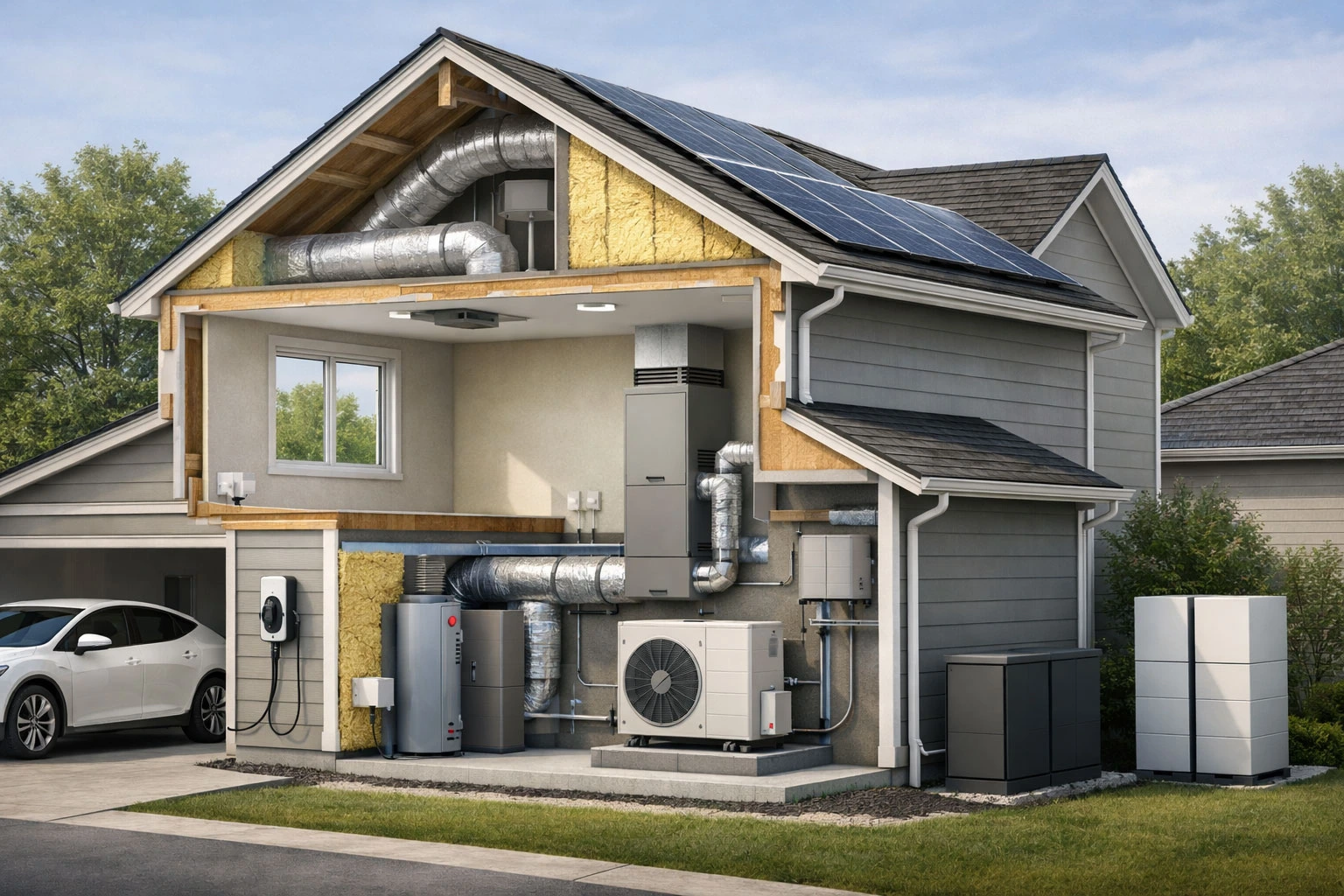
Heat pumps are not just a heating upgrade they’re a key step toward a Net Zero home.
Integrated Approach
A typical Net Zero pathway includes:
- Air sealing and insulation upgrades
- High-performance windows
- Heat pump installation
- Solar panel system
- Smart energy management
Heat pumps enable electrification, which allows you to eventually power your home with renewable energy.
Important: Installing a heat pump without improving the building envelope limits its potential.
A Real-World Example
A homeowner in Southern Ontario replaced their aging gas furnace with a cold climate heat pump.
Before:
- Drafty home
- High winter gas bills
- Uneven heating
After:
- Added attic insulation and air sealing
- Installed properly sized heat pump
Results:
- Lower monthly energy costs
- More consistent indoor temperature
- Reduced reliance on fossil fuels
The key wasn’t just the heat pump it was the whole-home approach.
Conclusion: It’s Not Just the Equipment It’s the Strategy
So, can a heat pump replace your furnace completely?
Yes if your home and system are designed for it.
But the real question isn’t just about replacing equipment. It’s about creating a home that is:
- Comfortable year-round
- Energy efficient
- Future-ready
A heat pump can absolutely be the centerpiece of that transformation but only when it’s part of a thoughtful, well-planned strategy.
Ready to Explore Your Options?
Every home is different. The best way to know if a full heat pump replacement makes sense for you is to look at your home as a complete system.
Book a consultation with Net Zero Homes Consulting to get a customized upgrade roadmap tailored to your home, budget, and long-term goals.