It usually starts on a cold winter morning.
The furnace has been running all night, yet one bedroom still feels chilly. Someone turns the thermostat up a few degrees before leaving for work. By afternoon, the house is empty but still heated to full comfort levels.
At the end of the month, the utility bill arrives.
Many Ontario homeowners reach the same conclusion: the heating system itself may be fine, but the control system the thermostat is outdated.
This is where smart thermostats come in. These devices promise better comfort, improved energy efficiency, and automation that adapts to real life rather than fixed schedules.
But before upgrading, most homeowners ask a practical question:
What is the smart thermostat installation cost in Ontario?
The answer depends on the home, the HVAC system, and the level of smart control you want. This guide explains the real costs, potential savings, and how smart thermostat installation fits into a broader home energy strategy.
What a Smart Thermostat Actually Does
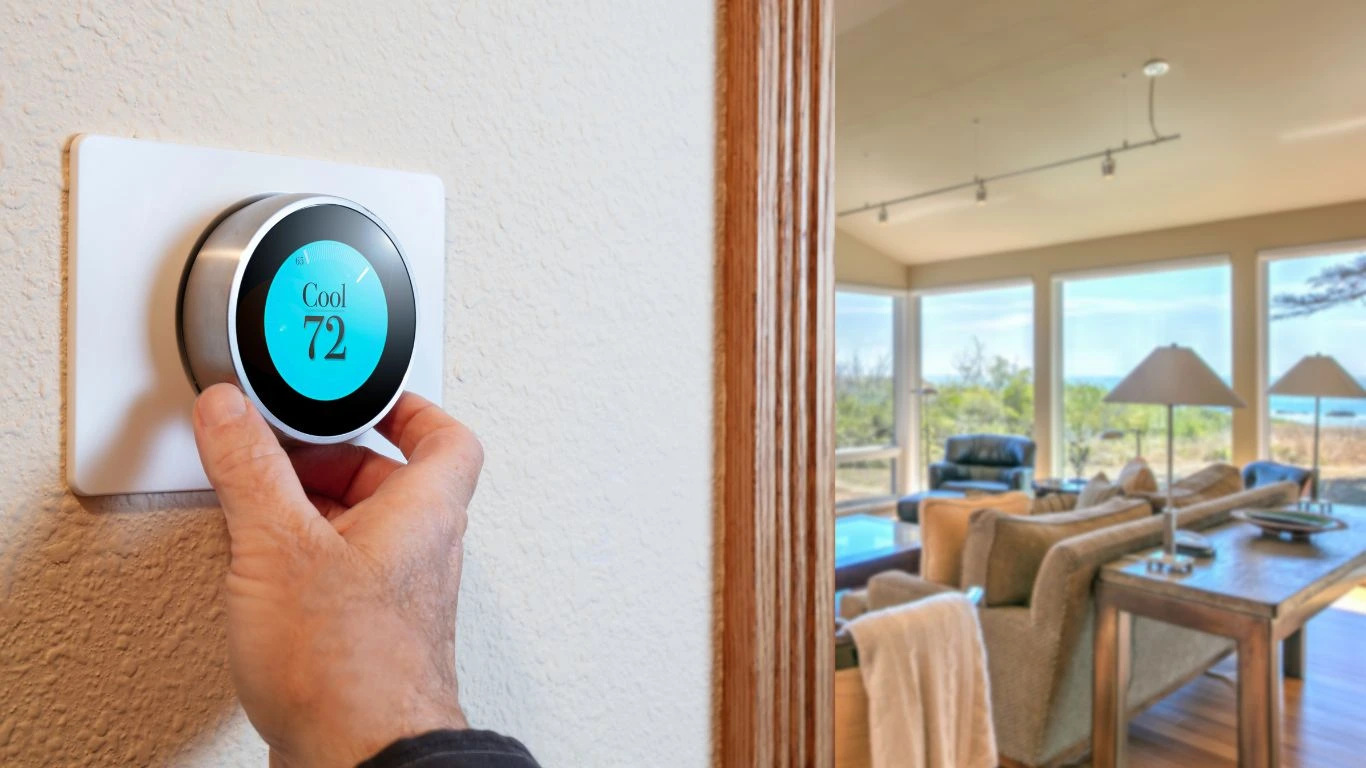
A smart thermostat is more than a digital temperature control. It acts as the brain of your HVAC smart controls, helping your heating and cooling systems operate more efficiently.
Unlike traditional programmable thermostats, smart models can:
Learn household routines
Adjust heating and cooling automatically
Connect to smartphones for remote control
Integrate with heat pumps and other modern systems
Provide energy usage insights
For homeowners in Ontario where heating dominates annual energy costs smarter control can make a meaningful difference.
Instead of heating the house all day, the thermostat can reduce energy use when the home is empty and restore comfort before occupants return.
Over time, these small adjustments add up.
Smart Thermostat Installation Cost in Ontario
The total smart thermostat installation cost in Ontario typically includes two components:
The thermostat device
Professional installation
Thermostat Device Cost
Smart thermostats vary widely in price depending on features and brand.
Typical price ranges in Canada:
Basic smart thermostat: $120 – $200
Mid-range smart thermostat: $200 – $350
Advanced models with learning features: $350 – $500+
Higher-end models often include features like adaptive scheduling, multi-room sensors, and deeper integration with HVAC smart controls.
Installation Cost
Professional installation usually ranges between:
$120 – $300 in Ontario
Factors influencing the thermostat setup price in Canada include:
Wiring compatibility (presence of a C-wire)
HVAC system complexity
Accessibility of the thermostat wiring
Integration with heat pumps or multi-stage systems
Typical Total Cost
For most homes, the total installed price falls between:
$250 – $700
In homes requiring wiring upgrades or control board adjustments, costs may reach $800 or more, but this is less common.
Factors That Affect Installation Cost
Not all homes are equally straightforward.
Several factors can increase or decrease the thermostat setup price in Canada.
1. HVAC System Type
Smart thermostats must communicate properly with the heating system.
Compatibility varies between:
Gas furnaces
Electric baseboard systems
Multi-stage HVAC systems
Dual-fuel systems
Heat pumps, increasingly common in Ontario, sometimes require specialized setup.
2. Wiring Requirements
Many smart thermostats require a common wire (C-wire) for constant power.
Older homes may lack this connection, which can require:
Running new wiring
Installing a power adapter
Adjusting the furnace control board
3. Multi-Zone Systems
Homes with multiple thermostat zones may require multiple smart thermostats or more complex control configuration.
4. Integration With Other Systems
If the thermostat integrates with:
ventilation systems
whole-home automation
setup becomes more complex but also more powerful.
Energy Savings and Return on Investment
One reason homeowners consider smart thermostats is potential energy savings.
In Ontario, heating typically accounts for over half of annual household energy use.
Smart thermostats improve efficiency by:
Reducing heating when homes are empty
Avoiding unnecessary temperature swings
Optimizing system run cycles
Learning homeowner behaviour
Typical savings estimates range from:
8% – 15% on heating and cooling costs
For a home spending $2,000 per year on heating and cooling, this could translate to:
$160 – $300 annually
That means many smart thermostat installations pay for themselves within 2–4 years.
Savings depend heavily on how the system is used.
Homes with irregular schedules tend to benefit the most.
Common Mistakes Homeowners Make
Smart thermostats are simple devices, but homeowners often make avoidable mistakes during the upgrade.
Buying Without Checking Compatibility
Not every thermostat works with every HVAC system.
Heat pumps, in particular, require compatible models.
DIY Installation Without Understanding Wiring
While installation can be simple, incorrect wiring may:
Disable heating stages
Prevent cooling operation
Damage the thermostat
Professional installation avoids these risks.
Overcomplicated Scheduling
Some homeowners create overly detailed schedules that rarely match real life.
Smart thermostats work best when:
automation is enabled
occupancy detection is used
manual overrides are minimized
Ignoring the Rest of the House
A thermostat cannot fix underlying problems like:
poor insulation
inefficient windows
Smart controls work best when the building envelope is efficient.
Step-by-Step Guide: Deciding If a Smart Thermostat Is Worth It
If you’re considering this upgrade, a structured approach helps.
Step 1: Evaluate Your Current Thermostat
Ask yourself:
Is it manual or programmable?
Does it support scheduling?
Is it connected to Wi-Fi?
If the thermostat is over 10 years old, upgrading often makes sense.
Step 2: Check HVAC Compatibility
Confirm the type of system installed:
furnace
hybrid heating system
Compatibility determines which smart thermostat models will work.
Step 3: Evaluate Energy Use
Look at past utility bills.
If heating costs are high, better HVAC smart controls can deliver noticeable savings.
Step 4: Decide on Professional Installation
Even when installation appears simple, professional setup ensures:
correct wiring
system compatibility
optimal configuration
Step 5: Integrate With Future Upgrades
Think beyond the thermostat.
If future upgrades might include:
select a thermostat that integrates well with advanced HVAC systems.
Ontario and Canadian Rebates
Many homeowners ask whether smart thermostats qualify for rebates.
Programs in Canada occasionally support smart thermostat adoption because they reduce peak energy demand.
In Ontario, incentives sometimes appear through:
utility demand-response programs
broader home retrofit programs
While rebates vary and change frequently, smart thermostats are often included as part of larger energy efficiency upgrades rather than standalone incentives.
Homeowners planning multiple improvements should check available programs before installation.
When a Smart Thermostat Makes Sense
This upgrade works best in certain situations.
Smart thermostat installation makes sense when:
The home uses forced-air heating or heat pumps
Household schedules change throughout the day
Energy bills are rising
The current thermostat is outdated
You plan future HVAC upgrades
Homes with multiple occupants coming and going during the day benefit particularly from automated temperature adjustments.
When It May Not Be Worth It
In some homes, the benefits are smaller.
Smart thermostats may not deliver strong value if:
Heating uses electric baseboard without smart compatibility
Occupancy is constant throughout the day
The home already uses optimized scheduling
Insulation and air sealing are poor
In these cases, addressing building envelope improvements first may provide larger savings.
How Smart Thermostats Fit Into a Net Zero Home Strategy
Smart thermostats are rarely the largest energy upgrade in a home.
However, they play an important supporting role in a Net Zero pathway.
A typical Net Zero roadmap might look like:
Air sealing and insulation improvements
High-performance windows
Smart HVAC controls
Smart thermostats help optimize heating and cooling systems within this broader strategy.
For example:
Heat pumps operate more efficiently with intelligent controls
Smart scheduling reduces electricity demand during peak periods
Integration with future smart home systems becomes easier
In other words, smart thermostats are a small upgrade with strategic value.
Final Thoughts
The smart thermostat installation cost in Ontario is relatively modest compared with many home energy upgrades.
For most homeowners, the total investment falls between $250 and $700, depending on the device and installation requirements.
While the savings alone may justify the upgrade, the real value lies in better control, improved comfort, and compatibility with future energy systems.
Still, smart thermostats work best when installed as part of a broader home efficiency strategy. Insulation, air sealing, and HVAC upgrades often provide larger energy reductions.
Understanding how these improvements work together can make the difference between isolated upgrades and a truly efficient home.
Book a Personalized Home Energy Consultation
Every home is different. Heating systems, insulation levels, and household routines all affect how much value a smart thermostat can deliver.
If you’re planning energy upgrades and want a clear roadmap, consider booking a consultation with Net Zero Homes Consulting.
Their team can evaluate your home, explain upgrade priorities, and help you build a practical path toward lower energy bills and long-term efficiency.