It’s a typical January evening in Ontario. Outside, the temperature has dropped well below freezing. Inside, one room in the house feels too warm, another feels slightly chilly, and the furnace seems to run constantly. The energy bill from last month is still sitting on the kitchen counter higher than expected.
Many Canadian homeowners assume this is simply the cost of winter comfort. But often, the real issue isn’t the furnace, heat pump, or insulation. It’s the thermostat controlling the entire system.
Older programmable thermostats and especially manual ones simply don’t respond well to modern heating systems or changing occupancy patterns. That’s where smart thermostats come in.
In 2026, upgrading to a smart thermostat is one of the simplest and most cost-effective ways to reduce heating costs, improve comfort, and move a home closer to a Net Zero energy future. The challenge for homeowners is understanding which option actually makes sense.
This guide explains how smart thermostats work, which models perform best in Canadian climates, and how to decide whether this upgrade is right for your home.
What Makes a Thermostat “Smart”?
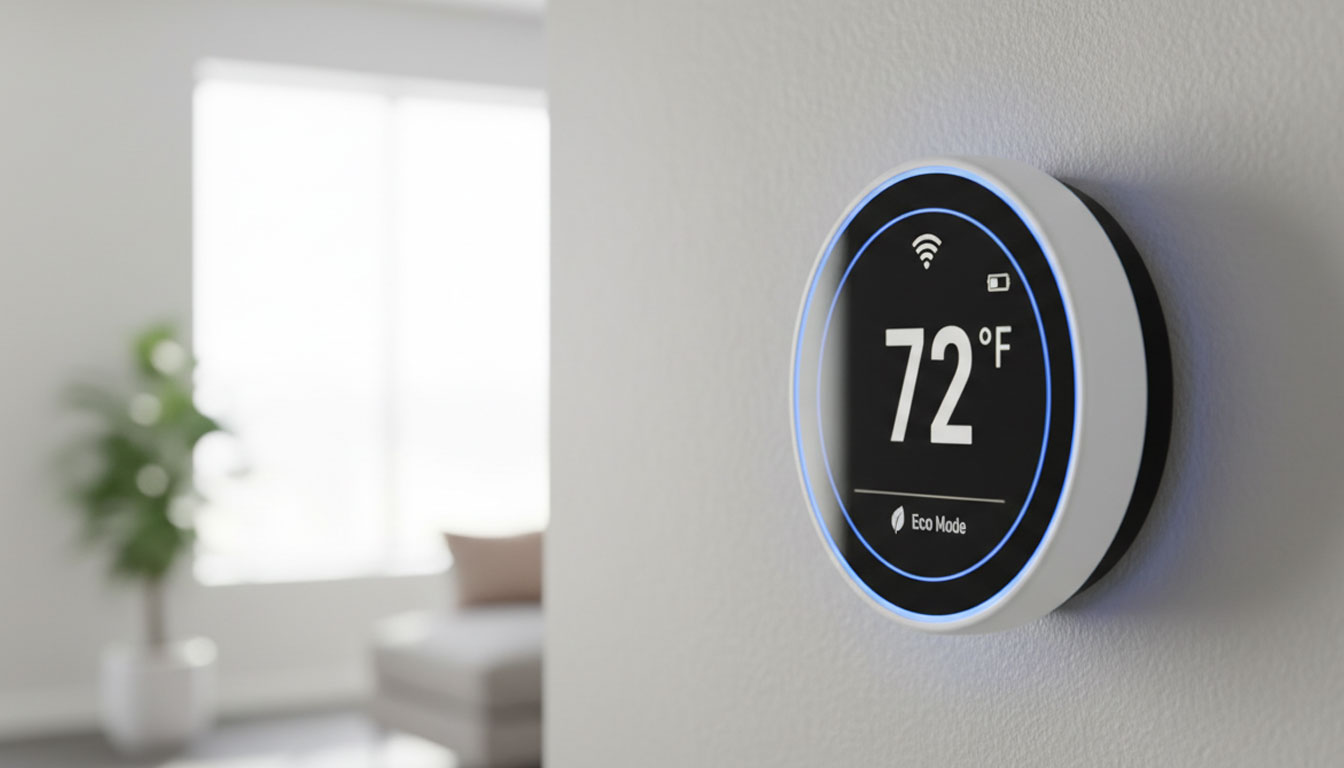
A smart thermostat goes far beyond basic temperature control. Instead of simply turning the heating system on or off, it actively manages how and when your home uses energy.
Most modern WiFi thermostat Ontario homeowners install today includes several advanced capabilities:
Key Smart Thermostat Features
Learning schedules
Some models analyze your daily habits and automatically adjust heating patterns.
Remote control
Using a smartphone app, you can adjust the temperature from anywhere.
Weather awareness
Smart thermostats track outdoor conditions and adjust heating cycles accordingly.
Energy monitoring
Many systems provide monthly reports showing how much energy your heating system uses.
Room sensors
Certain models use wireless sensors to balance temperatures across different rooms.
A smart thermostat heat pump system can manage auxiliary heating to avoid expensive electric backup operation.
For Canadian homes with long heating seasons, these features can make a noticeable difference in both comfort and energy use.
Best Smart Thermostat Canada Options for 2026
Several models stand out for Canadian homes due to cold climate compatibility, heat pump support, and reliability.
1. Google Nest Learning Thermostat (4th Generation)
The Nest remains one of the most widely installed smart thermostats in North America.
Key advantages include:
Automatic learning schedules
Strong integration with smart home systems
Excellent energy usage reports
Wide compatibility with furnaces and heat pumps
For homeowners who prefer automation with minimal setup, the Nest is often the easiest option.
However, homes with complex heat pump systems sometimes require careful configuration.
2. Ecobee Smart Thermostat Premium
Ecobee is particularly popular in Canada because the company designs products specifically with cold climates in mind.
Key features include:
Included wireless room sensor
Advanced heat pump support
Detailed energy reports
Built-in air quality monitoring
Integration with major smart home platforms
Many energy consultants consider Ecobee one of the best smart thermostat Canada homeowners can install when comfort balancing across rooms is important.
3. Honeywell Home T9 or T10
Honeywell thermostats are widely used in professional HVAC installations.
Advantages include:
Excellent compatibility with traditional HVAC systems
Strong zoning support
Reliable performance with multi-stage heating systems
These models often perform well in homes that already have complex heating configurations.
4. Emerson Sensi Smart Thermostat
For homeowners who want a simpler and more affordable upgrade, the Sensi line provides solid performance.
Key strengths:
Straightforward installation
Lower upfront cost
Reliable WiFi control
Good compatibility with gas furnaces
While it lacks some advanced automation features, it still offers significant improvements over older programmable thermostats.
What Does a Smart Thermostat Cost in Canada?
The cost of installing a smart thermostat is relatively modest compared to other energy upgrades.
Typical price ranges in Ontario:
| Item | Estimated Cost |
|---|---|
| Smart thermostat device | $150 – $400 |
| Professional installation | $100 – $300 |
| Optional sensors | $50 – $100 each |
For many homes, the total upgrade cost lands between $250 and $600.
Some homeowners install the device themselves, but professional installation ensures proper configuration especially with heat pumps or multi-stage systems.
Energy Savings and Return on Investment
Smart thermostats are not magic energy devices. However, when installed correctly, they can deliver measurable savings.
Typical benefits include:
8–15% reduction in heating energy
Reduced unnecessary furnace runtime
Better temperature consistency
Lower cooling costs in summer
For a typical Ontario home spending $2,000–$3,000 annually on heating and cooling, that can translate to $150–$400 in annual savings.
In many cases, the thermostat pays for itself within two to four years.
Homes with irregular occupancy schedules often see even greater savings.
Common Smart Thermostat Mistakes Homeowners Make
Despite their advantages, smart thermostats are sometimes installed incorrectly or used inefficiently.
Here are the most common mistakes.
1. Choosing a Model That Doesn’t Support the HVAC System
Not all thermostats work with every heating system.
Common compatibility issues include:
Heat pumps with auxiliary heating
Multi-stage furnaces
Boiler systems
Zoned HVAC systems
This is why selecting a thermostat designed for your specific system matters.
2. Installing It in the Wrong Location
Thermostat placement significantly affects performance.
Avoid installing thermostats near:
Direct sunlight
Drafty areas
Exterior doors
Kitchens or appliances
These locations distort temperature readings.
3. Overusing Manual Overrides
Some homeowners constantly adjust the thermostat instead of letting the system follow its schedule.
This eliminates most energy savings benefits.
Smart thermostats work best when they can learn and manage patterns automatically.
4. Ignoring Room Temperature Differences
Large homes often have uneven heating.
Using remote room sensors can significantly improve comfort and efficiency.
Step-by-Step Guide to Choosing the Right Smart Thermostat
If you feel overwhelmed by the options, this simple decision process can help.
Step 1: Identify Your Heating System
Determine whether your home uses:
Gas furnace
Electric furnace
Heat pump
Boiler system
Hybrid heating system
This step determines compatibility.
Step 2: Decide How Much Automation You Want
Some homeowners prefer fully automated systems. Others prefer manual control.
Options include:
Learning thermostats
Programmable smart thermostats
Basic WiFi thermostats
Step 3: Consider Room Comfort Issues
If certain rooms are consistently too hot or cold, choose a thermostat that supports remote room sensors.
Step 4: Think About Future Upgrades
If you plan to install a heat pump, solar panels, or other energy upgrades later, choose a thermostat compatible with those technologies.
Step 5: Check for Energy Programs and Rebates
In Ontario and across Canada, some energy efficiency programs encourage smart thermostat adoption.
Programs may include:
Provincial energy efficiency incentives
Utility programs
Federal retrofit initiatives
While rebate amounts change frequently, smart thermostats are sometimes included in broader home energy upgrade programs.
When a Smart Thermostat Upgrade Makes Sense
A smart thermostat is particularly valuable in these situations.
Older homes with high heating costs
Improved scheduling can significantly reduce furnace runtime.
Homes with variable schedules
Families that leave during the day benefit from automated setbacks.
A smart thermostat heat pump configuration helps optimize efficiency.
Homeowners pursuing Net Zero upgrades
Smart thermostats help manage energy demand as homes add solar panels or battery storage.
When a Smart Thermostat May Not Help Much
In some cases, upgrading the thermostat won’t significantly reduce energy use.
Examples include:
Homes with severe insulation problems
Heat loss through walls or attics will dominate energy consumption.
Poorly sized HVAC systems
If the furnace or heat pump is improperly sized, thermostat upgrades won’t solve the issue.
Constant occupancy homes
If someone is always home and temperatures rarely change, scheduling advantages are smaller.
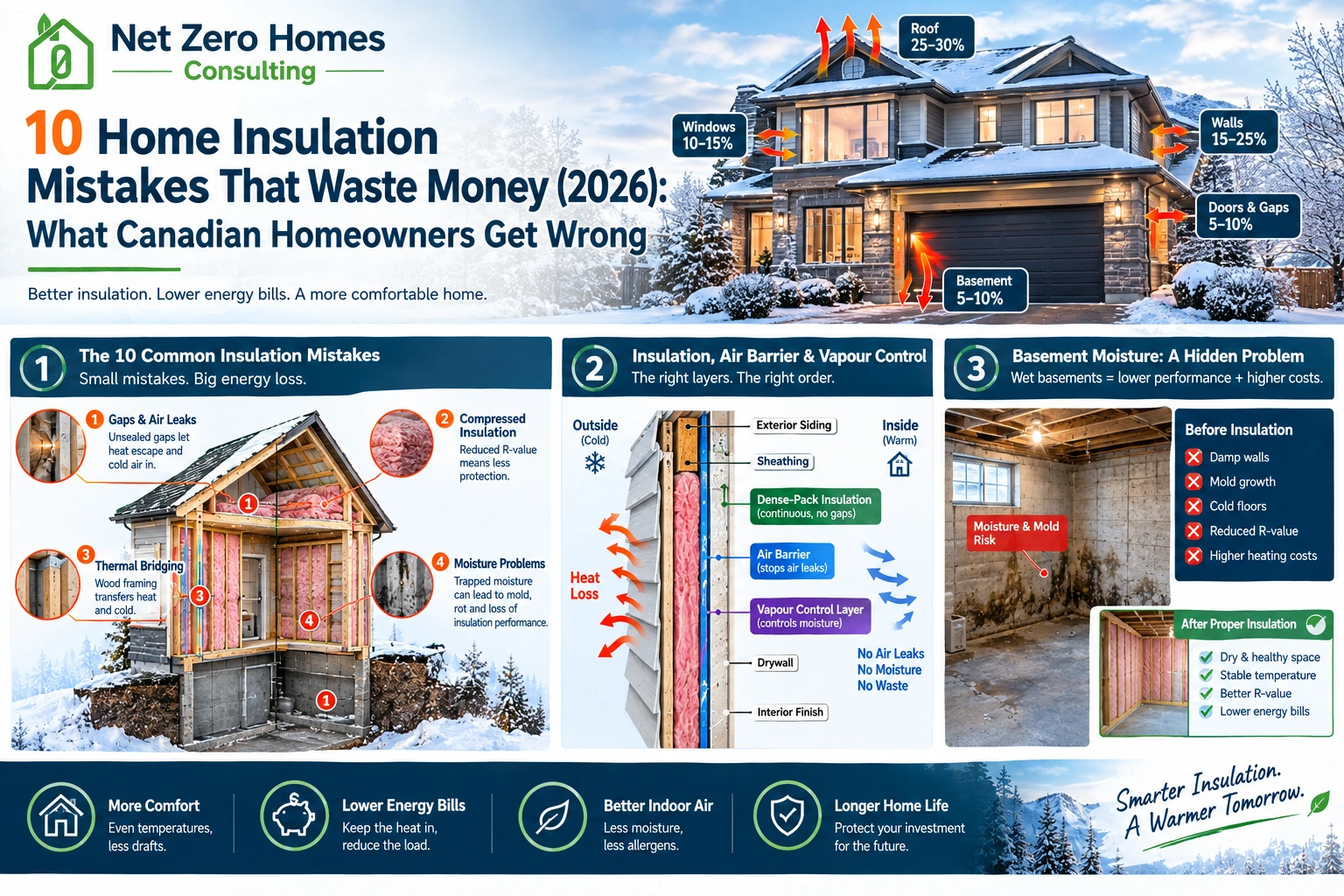
In these cases, insulation or air sealing upgrades may provide greater energy savings.
How Smart Thermostats Fit into a Net Zero Roadmap
Smart thermostats play a small but important role in long-term energy planning.
A typical Net Zero upgrade roadmap often includes:
Air sealing and insulation improvements
The thermostat acts as the control center that helps coordinate heating demand with the rest of the home’s energy systems.
For example, in the future, smart thermostats may automatically adjust heating when solar production is high or electricity rates are lower.
This type of demand management will become increasingly important as Canada transitions toward electrified homes.
Final Thoughts
For many Canadian homeowners, installing a smart thermostat is one of the easiest ways to start improving home energy efficiency.
The upgrade is relatively affordable, quick to install, and compatible with most heating systems.
While it won’t solve major insulation problems or replace the need for efficient heating equipment, it can noticeably improve comfort and reduce unnecessary energy use.
When paired with other improvements such as air sealing, insulation, or heat pump installation a smart thermostat becomes an important piece of a modern, energy-efficient home.
Book a Personalized Home Energy Upgrade Plan
Every home is different. The right thermostat and the right energy upgrades depend on your home’s design, heating system, and long-term goals.
If you’re planning to improve comfort, reduce energy bills, or move toward a Net Zero home, consider scheduling a consultation with Net Zero Homes Consulting.
Our team can assess your home and create a customized upgrade roadmap designed for Canadian climates and Ontario energy programs.