The Question Many Homeowners Eventually Ask
Imagine it’s a cold January morning in Ontario. The furnace has been running most of the night, yet the living room still feels slightly chilly. When you walk near the windows, you can feel a faint draft even though they’re closed.
Many homeowners reach this moment. Energy bills creep higher every winter, the home feels less comfortable than it should and the question inevitably comes up:
More specifically:
Should you choose triple pane or double pane windows?
Both options are considered energy efficient glass in Canada. Both reduce heat loss. Both can improve comfort and lower heating costs. Yet the price difference can be significant, which makes the decision feel complicated.
This guide breaks down the triple pane vs double pane windows debate in practical terms costs, savings, comfort, and when each option actually makes sense.
Understanding the Basics: Double Pane vs Triple Pane Windows
At a simple level, the difference comes down to the number of glass layers and insulating spaces between them.
Double Pane Windows
Double pane windows contain:
Two sheets of glass
One insulating air or gas space between them
Most modern double pane windows use argon gas between the panes and include low-emissivity (Low-E) coatings, which help reflect heat back into the home during winter.
For many years, this was the standard upgrade from older single-pane windows.
Triple Pane Windows
Triple pane windows add one more layer:
Three sheets of glass
Two insulating gas-filled chambers
These additional layers significantly improve insulation and reduce heat transfer.
In cold climates like Canada, this extra layer can noticeably reduce:
Heat loss
Draft feeling near windows
Exterior noise
But the improvement also comes with higher upfront cost and slightly heavier frames, which is why the choice isn’t always obvious.
Window Insulation Comparison: How Much Better Is Triple Pane?
When comparing windows, professionals often use the U-value or R-value to measure insulation.
Lower U-value = better insulation
Higher R-value = better insulation
Typical ranges in Canada:
| Window Type | Typical U-Value | Insulation Performance |
|---|---|---|
| Older double pane | ~1.6–2.0 | Moderate |
| Modern double pane | ~1.2–1.4 | Good |
| Triple pane | ~0.8–1.0 | Excellent |
In practical terms:
Triple pane windows can reduce heat loss by roughly 20–40% compared to standard double pane units.
But the actual energy savings depend on the whole house, not just the glass.
Factors include:
Window orientation
Climate exposure
This is why two homes installing the same windows may see different savings results.
Cost Considerations in Canada
For homeowners in Ontario and across North America, cost is usually the deciding factor.
While exact prices vary depending on size, brand, and installation complexity, typical differences look like this:
Installed window costs (rough ranges):
Double pane windows: $800 – $1,200 per window
Triple pane windows: $1,000 – $1,500+ per window
For a typical home replacing 15–20 windows, the upgrade to triple pane can add:
$3,000 – $8,000 to the project cost.
That’s a meaningful investment, which is why the decision should consider:
Energy savings
Comfort improvements
Long-term home performance not just initial price.
Energy Savings and Return on Investment
One of the biggest misconceptions homeowners have is expecting windows to dramatically cut heating bills.
In reality, windows are only one part of the building envelope.
In most Canadian homes:
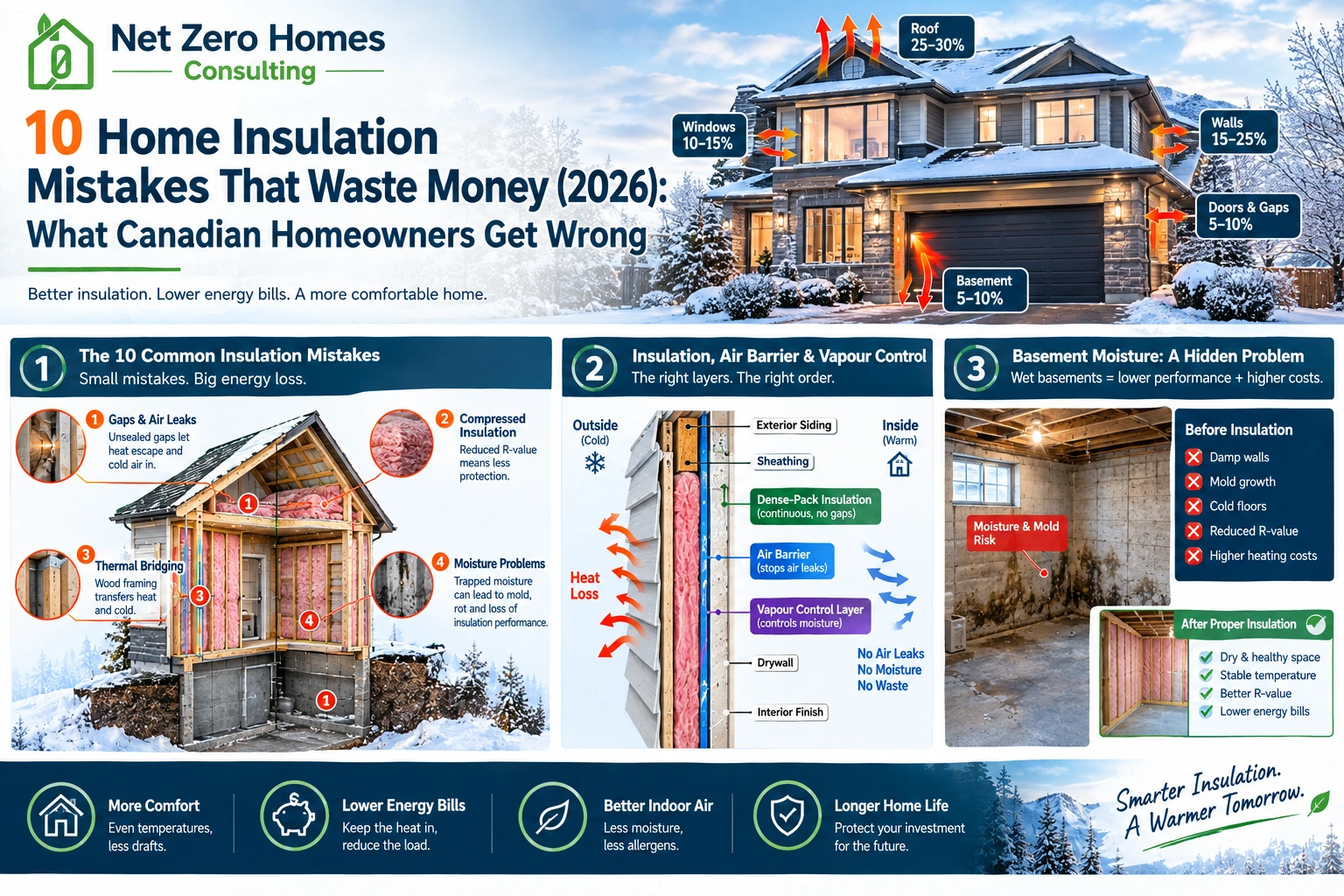
Windows account for about 20–30% of heat loss.
Walls, attic insulation, and air leaks often contribute more.
So what does this mean for savings?
Example Scenario
Consider a typical Ontario home spending $2,500 annually on heating.
Upgrading from older double pane windows to triple pane may reduce heating demand by roughly 5–10% overall.
Estimated annual savings:
$125 – $250 per year.
From a pure payback perspective, the upgrade may take 15–25 years.
However, energy savings are not the only benefit homeowners experience.
Comfort Improvements That Matter Daily
Everyone who decided to install triple pane windows say the biggest difference isn’t the bill it’s comfort.
Triple pane windows improve:
1. Interior Surface Temperature
Glass stays warmer in winter, which means:
Less radiant heat loss
No cold feeling when sitting near windows
2. Reduced Draft Sensation
Even without actual air leaks, cold glass creates convection currents that feel like drafts.
Triple pane windows reduce this effect.
3. Noise Reduction
The additional pane and gas layer can noticeably reduce:
Street noise
Wind
Neighborhood sound
For homes near busy roads, this can be a major benefit.
Common Mistakes Homeowners Make
When evaluating a window insulation comparison, several mistakes happen frequently.
Choosing Windows Before Fixing Air Leaks
Air sealing often delivers better energy savings than window replacement.
Leaky areas typically include:
Attic penetrations
Rim joists
Electrical penetrations
Poor weather stripping
Focusing Only on Glass
The window frame quality and installation matter just as much.
Poor installation can negate high-performance glass.
Upgrading Windows Without Considering Whole-Home Efficiency
For example:
Poor attic insulation
Outdated heating system
Drafty basement
Windows alone cannot solve these issues.
Ignoring Orientation
South-facing windows can actually help heat a home through solar gain, while north-facing windows lose more heat.
This affects whether triple pane makes sense in certain areas.
Step-by-Step: How to Decide Between Double and Triple Pane
If you’re feeling overwhelmed, a simple decision framework helps.
Step 1: Assess Your Current Windows
Ask:
Are they single pane?
Are seals broken?
Do you feel cold near them?
If yes, any modern window upgrade will help.
Step 2: Evaluate Your Climate Exposure
Triple pane windows make the most sense if you experience:
Long winters
Strong winds
Northern exposure
Common across much of Ontario and Canada.
Step 3: Consider Noise and Comfort
If your home faces:
A busy road
High wind exposure
Large glass areas
Triple pane windows often deliver noticeable lifestyle improvements.
Step 4: Review Your Renovation Plans
If you’re already upgrading:
Then installing triple pane windows can help align the home with high-performance energy standards.
Step 5: Compare Long-Term Goals
Ask yourself:
Are you planning to stay in the home long term?
Are you moving toward a high-efficiency or Net Zero home?
If yes, triple pane often fits better.
Rebates and Incentives in Ontario and Canada
Canadian homeowners may have access to federal or provincial efficiency programs that support window upgrades.
These programs often encourage:
High-performance windows
Low U-value products
Professional installation
Depending on the program, upgrades like triple pane windows may qualify for rebates when combined with other efficiency improvements, such as:
Air sealing improvements
Programs change periodically, so homeowners typically benefit from an energy assessment before starting renovations.
When Triple Pane Windows Make Sense
Triple pane windows are often the best choice when:
Building a new high-performance home
Completing a deep energy retrofit
Living in very cold climates
Wanting maximum comfort near large windows
Reducing noise pollution
Working toward Net Zero performance
In these scenarios, the extra insulation contributes to the overall building efficiency strategy.
When Double Pane Windows Are the Better Choice
Double pane windows may be the smarter option when:
Budget is limited
Windows are not a major heat-loss area
Other upgrades offer better ROI first
The home already has excellent insulation
You plan to move in the near future
Modern double pane windows with Low-E coatings and argon gas are still very efficient products.
How Windows Fit Into a Net Zero Home Roadmap
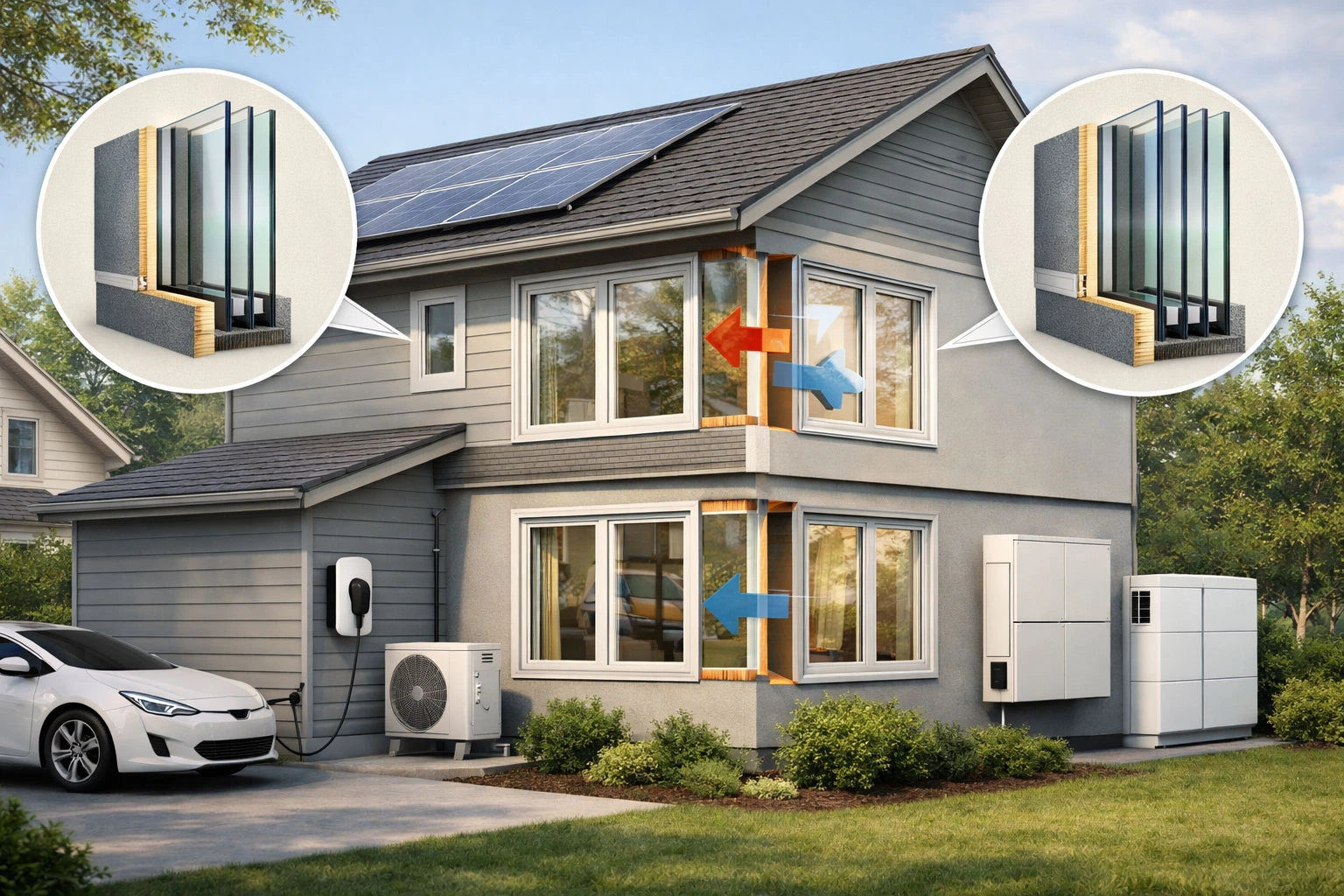
Windows play a key role in the journey toward Net Zero homes, but they’re only one step.
A typical upgrade roadmap often looks like this:
Air sealing improvements
Attic insulation upgrades
High-efficiency heating system (often a heat pump)
High-performance windows
Solar panels
Battery storage or EV integration
In this context, triple pane windows help reduce heat loss enough that smaller, more efficient heating systems can handle the load.
This is especially important for homes aiming to eliminate fossil fuels entirely.
Final Thoughts
Choosing between triple pane vs double pane windows is rarely a simple yes-or-no decision.
Triple pane windows deliver:
Better insulation
Improved comfort
Reduced noise
Stronger alignment with Net Zero goals
Double pane windows offer:
Lower upfront cost
Solid energy performance
Good value for many homes
The right choice depends on your home’s current efficiency, long-term plans, and renovation priorities.
For many homeowners, the most effective strategy is evaluating windows as part of a whole-home energy plan, rather than as a standalone upgrade.
Book a Consultation
If you’re considering window upgrades and want to understand how they fit into a long-term energy efficiency strategy, a professional assessment can help clarify the best path forward.
Book a consultation with Net Zero Homes Consulting to receive a customized upgrade roadmap designed for your home, budget, and long-term energy goals.