
Imagine opening your hydro bill and seeing a jump that makes you do a double-take. For many Canadian homeowners, especially in Ontario, this has become all too familiar. In late 2025, Ontario’s regulated electricity rates rose by about 29%, even after a larger rebate kicked in to help soften the blow.
Prices aren’t climbing because of one simple reason. Surging demand from electric vehicles, power-hungry data centres, major investments in nuclear infrastructure, and the everyday costs of keeping the grid reliable are all pushing bills higher. The good news? You don’t have to just accept it. Smart energy upgrades like heat pumps, better insulation, solar panels, and home batteries can help you take control, lower your costs, and even protect against future increases.
At Net Zero Homes, we’ve helped hundreds of Canadian families turn rising electricity prices into an opportunity for long-term savings and comfort. This guide explains what’s happening, why it matters for your household, and the practical steps you can take today.
Why Electricity Prices Keep Rising: The Big Picture in Canada
Canadian electricity demand is growing faster than many expected. The Canada Energy Regulator projects end-use electricity demand could rise 44% from 2023 to 2050. In Ontario, the IESO forecasts a dramatic 75% increase by 2050.
Here’s what’s driving it:
- More EVs on the road: A typical electric vehicle adds 3,000–6,000 kWh per year to your home’s usage—potentially 33–67% more for an average Ontario household that uses about 9,000 kWh annually.
- Data centres and electrification: Huge new loads from AI and tech facilities are straining the grid. Ontario alone could see data centre demand jump dramatically.
- Upgrading old infrastructure: Billions are going into nuclear refurbishments and new supply like small modular reactors. These costs get passed on through rates.
- Distribution and transmission: Local utilities need ongoing upgrades, leading to higher delivery charges on your bill.
These pressures mean rates are likely to keep trending upward, even with government rebates providing temporary relief.
How Rising Costs Affect Everyday Canadian Homes
Picture Sarah, a homeowner in the GTA with two young kids and a new EV. Her monthly bill used to feel manageable. After the 2025 increase and adding EV charging, she’s noticing the pinch—especially during peak winter heating months.
Or consider Mike in rural Ontario, heating an older home with an oil furnace. His costs are volatile, and he worries about reliability during outages.
These stories are common. Higher electricity prices hit heating, cooling, lighting, appliances, and now transportation and smart home tech. Without changes, many families could see hundreds more per year on their bills.
Proven Ways to Fight Back: Energy Efficiency Upgrades That Pay Off
The smartest response isn’t just conserving energy—it’s upgrading your home to use less from the grid while generating or storing your own.
Heat Pumps: These efficient systems provide heating and cooling using far less electricity than baseboard heaters or old furnaces. In Canadian climates, cold-climate models perform well even in freezing temperatures. Pair one with insulation upgrades, and you could slash heating costs significantly.
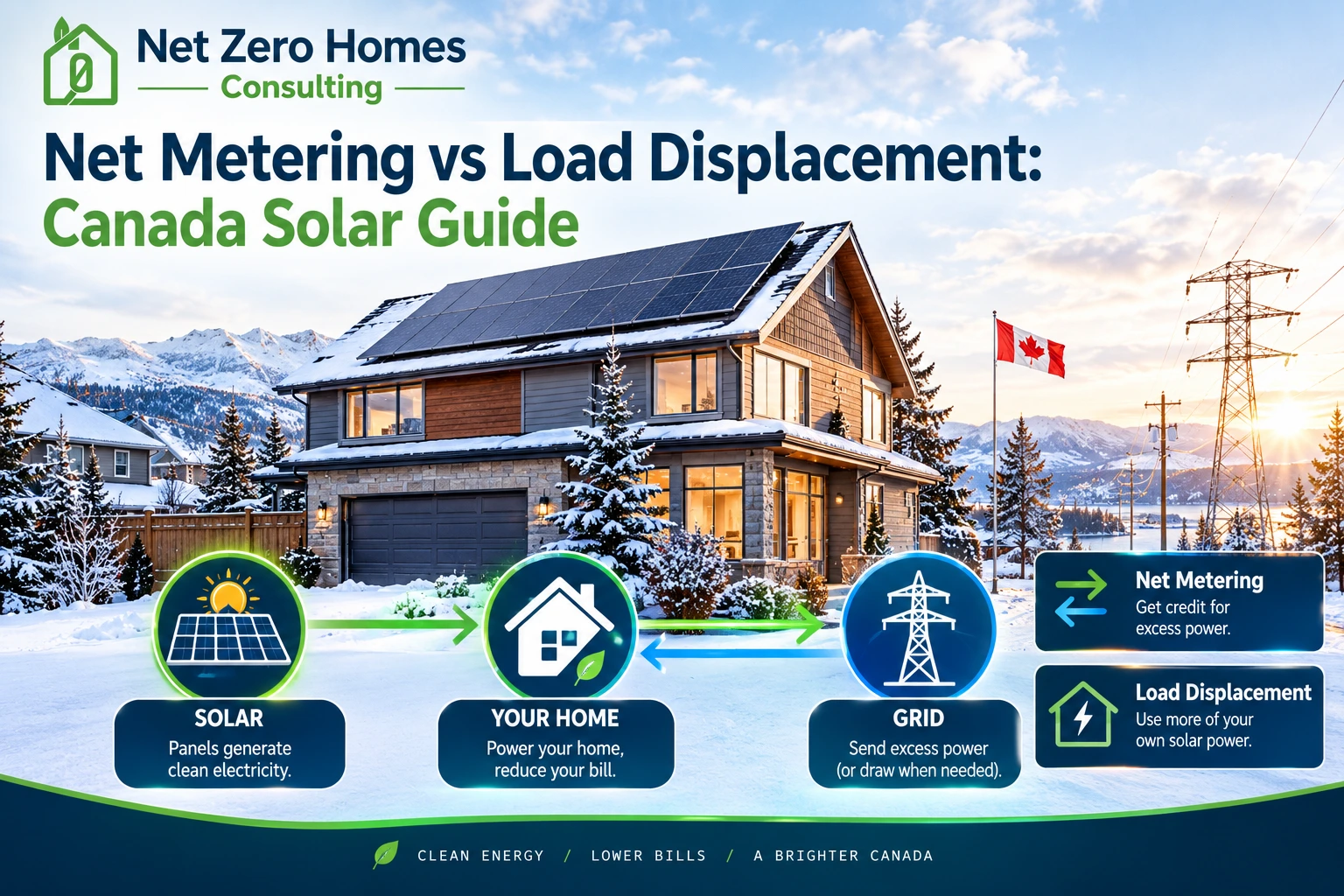
Solar Panels: Generate your own clean power. With net metering in many areas, you can offset usage and lock in predictable costs for decades. In Ontario, incentives can make the payback even faster.
Home Battery Storage: Store solar energy for evenings, outages, or peak-rate times. This is especially powerful with time-of-use pricing.
Insulation, Air Sealing, and High-Performance Windows: These reduce heat loss dramatically. A well-sealed home stays comfortable with less energy input.
EV Chargers and Whole-Home Audits: Smart chargers optimize when you charge. A professional energy audit from Net Zero Homes identifies the highest-impact upgrades tailored to your home.
Real homeowners often see 30–50%+ reductions in energy use after comprehensive upgrades, depending on their starting point.
Cost Considerations and ROI for Canadian Homeowners
Upfront costs vary, but rebates and financing help. As of 2026, programs like remnants or successors to Canada Greener Homes, provincial offers, and utility incentives remain available in many areas.
- A typical heat pump installation might range from $8,000–$15,000 after incentives, with payback in 5–10 years through savings.
- Solar systems often qualify for federal tax credits or provincial support, with potential savings of $1,000+ annually.
- Full net-zero retrofits can cost more but deliver strong long-term ROI, especially as rates rise.
Net Zero Homes provides clear, customized estimates so you understand payback timelines based on your usage, location, and current rates.
| Upgrade | Typical Cost Range (After Incentives) | Est. Annual Savings | Payback Period |
|---|---|---|---|
| Cold-Climate Heat Pump | $8k–$15k | $800–$1,500+ | 5–10 years |
| Solar + Battery | $15k–$30k+ | $1,000–$2,500 | 7–12 years |
| Insulation + Windows | $5k–$12k | $400–$1,000 | 4–8 years |
Estimates vary; contact Net Zero Homes for a personalized audit.
Benefits and Drawbacks
Benefits:
- Lower monthly bills and protection from rate hikes.
- Increased home comfort and value.
- Environmental wins: reduced carbon footprint.
- Energy independence, especially with batteries during outages.
- Access to rebates and potential tax advantages.
Drawbacks:
- Initial investment (though incentives reduce this).
- Some upgrades require professional installation and permits.
- Savings depend on usage patterns and home condition.
Overall, the long-term advantages far outweigh the short-term costs for most households.
Common Mistakes Homeowners Make
- Ignoring a professional energy audit and choosing the wrong upgrades.
- Focusing only on solar without improving efficiency first (a leaky home wastes generated power).
- Missing available rebates by delaying action.
- Choosing low-quality equipment that underperforms in Canadian winters.
- Not considering time-of-use rates or battery storage for maximum savings.
Actionable Takeaways
- Review your latest hydro bills and note your rate plan (TOU, Tiered, etc.).
- Book a free or low-cost home energy audit with Net Zero Homes.
- Prioritize insulation and air sealing before big systems.
- Explore stacking rebates from federal, provincial, and utility sources.
- Model different scenarios—many upgrades pay for themselves as rates continue rising.
Frequently Asked Questions
Will electricity prices keep going up in 2026 and beyond? Forecasts from the IESO and CER suggest continued upward pressure due to demand growth, though rebates may provide some relief.
Are heat pumps worth it in cold Canadian winters? Yes—modern cold-climate heat pumps are highly efficient and reliable, often outperforming traditional systems when paired with good insulation.
How much can solar save me in Ontario? Many homeowners see $1,000–$2,000+ in annual savings, plus long-term price stability.
What rebates are available right now? Check Natural Resources Canada and provincial programs for current offers on heat pumps, solar, and efficiency upgrades.
Does a home battery make sense? Absolutely for peak shaving, backup power, and maximizing solar—especially with volatile rates.
How do I get started? Contact Net Zero Homes for an expert consultation tailored to your province and home.
Other common PAA topics: Impact on EV owners, best rate plans, and comparing heat pumps vs. furnaces.
Final Thoughts
Rising electricity prices reflect real changes in how Canada powers its homes and economy. But for proactive homeowners, they also create a powerful incentive to invest in a more efficient, resilient future. By combining technologies like heat pumps, solar, batteries, and better building envelope improvements, you can reduce bills, boost comfort, and contribute to a cleaner grid.
Net Zero Homes is here as your trusted partner—offering education, expert design, quality installations, and ongoing support across key Canadian markets.
Ready to Lower Your Energy Bills for Good?
Don’t wait for the next rate announcement. Book a no-obligation home energy consultation with Net Zero Homes today. Our team will assess your home, outline customized options, and help you maximize available rebates for a net-zero-ready future.
Call us or visit our site to get started—your lower bills and more comfortable home are waiting.
Data Source:
1. Natural Resources Canada (Canada Greener Homes resources)
3:Canada Greener Homes Affordability Program:
4:Ontario Energy Board (OEB) electricity rates
5:Rates and Your Bill Overview:
6:Canada Energy Regulator (CER) reports
7:Latest: Canada’s Energy Future 2026:
8:ENERGY STAR Canada Official Page: