
The Draft You Can’t Ignore
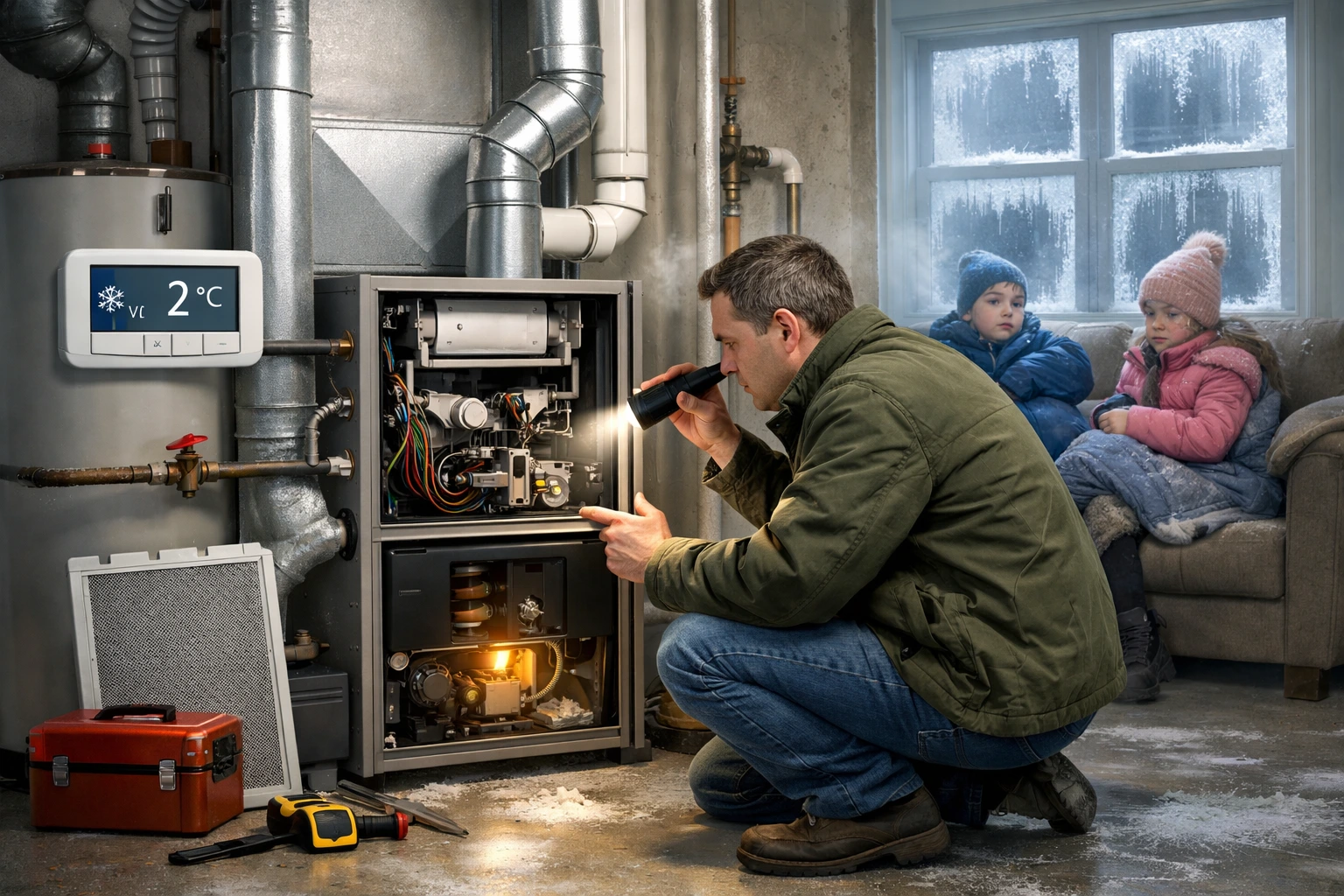
It’s -18°C in Ottawa. The furnace is running steadily, but the living room still feels chilly. You move closer to the window and immediately feel it that subtle cold draft. The glass looks fine. No cracks. No visible gaps. Yet your home doesn’t feel comfortable.
Many Ontario homeowners face this exact situation. Windows look modern enough, but heating bills keep climbing and certain rooms are never quite warm. That’s when the question comes up:
Should we upgrade to triple pane windows? Or are double pane windows enough?
The answer isn’t as simple as “triple is better.” It depends on your home, your budget, and your long-term energy goals. This guide will walk you through a practical, no-hype window insulation comparison so you can make a confident decision.
Understanding Double Pane vs Triple Pane Windows
Before comparing savings, let’s clarify how these windows actually work.
Double Pane Windows
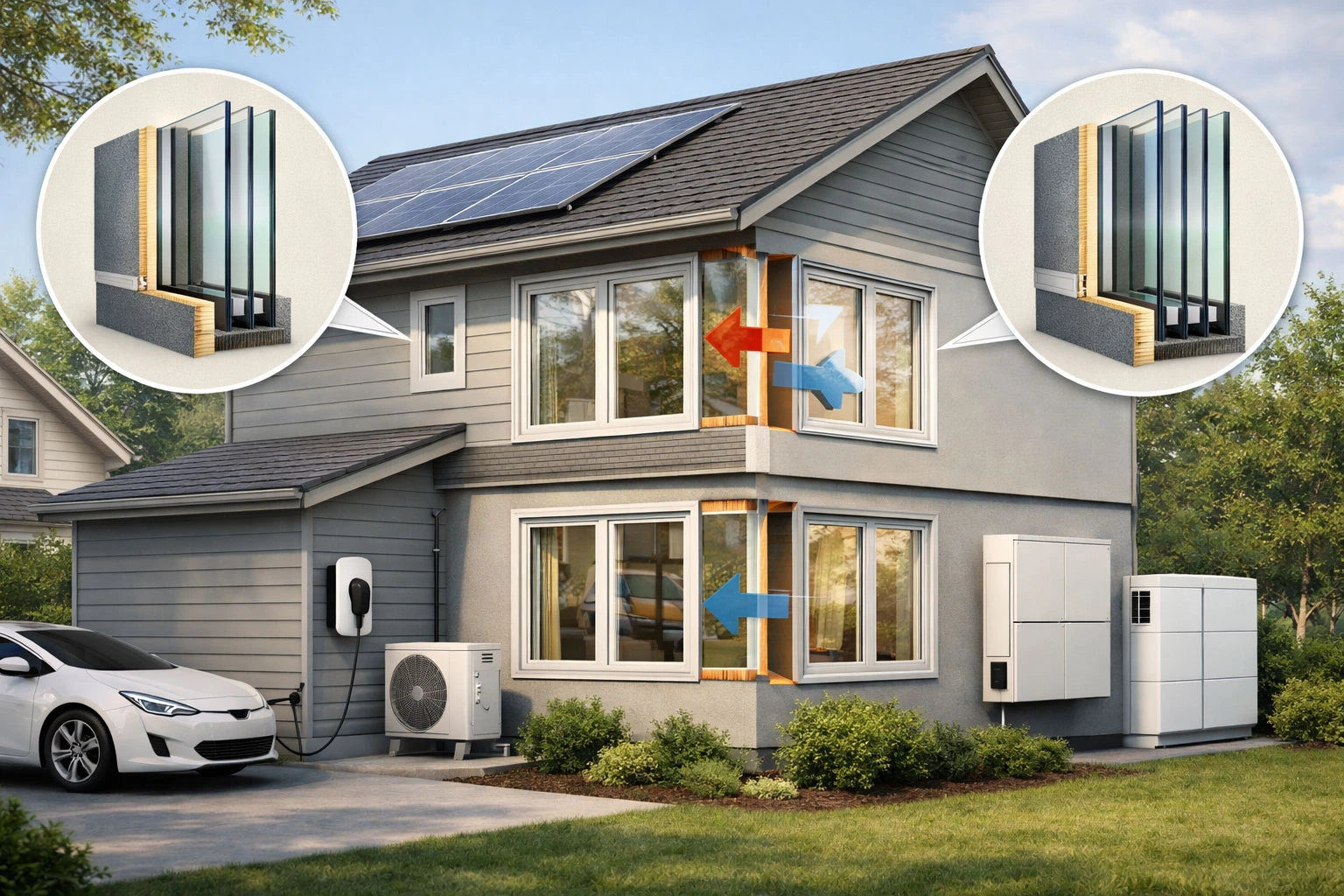
Double pane windows have:
Two layers of glass
A sealed air or gas-filled space between them (usually argon)
Often a low-emissivity (Low-E) coating to reflect heat
They significantly outperform old single-pane windows and are now standard in most Canadian homes.
Triple Pane Windows
Triple pane windows add:
A third layer of glass
Two sealed gas-filled chambers
Typically multiple Low-E coatings
That extra pane improves insulation, reduces heat transfer, and enhances comfort particularly in colder climates like Ontario.
When homeowners search for Triple pane vs double pane windows, what they’re really asking is:
How much warmer will my house feel?
How much will I actually save?
Is the extra cost justified?
Let’s break that down.
Window Insulation Comparison: Performance Differences
Windows are rated primarily by U-factor (how easily heat passes through) and R-value (resistance to heat flow).
In general:
Double pane windows: U-factor around 1.2–1.6 W/m²K
Triple pane windows: U-factor around 0.8–1.2 W/m²K
Lower U-factor means better insulation.
What That Means in Real Life
In Ontario winters:
Double pane windows reduce heat loss significantly compared to older windows.
Triple pane windows reduce heat loss even further often by 20–40% compared to standard double pane units.
But performance isn’t only about numbers. It affects:
Interior glass temperature
Draft sensation
Condensation risk
Noise reduction
Homeowners often say triple pane windows feel “warmer” to sit beside and they’re right. The interior glass surface stays closer to room temperature.
Cost Considerations in Canada
Now the practical question: what does this cost?
In Ontario, installed window pricing varies by size and frame material, but generally:
Double pane windows: baseline cost
Triple pane windows: typically 10–25% more expensive
For a full-home replacement (say 12–15 windows), that difference can mean several thousand dollars.
Why the Cost Difference?
Triple pane windows:
Use more glass
Require stronger frames
Are heavier
Have more complex manufacturing
Not every home needs that upgrade level.
Energy Savings and Return on Investment
Here’s where expectations need to be realistic.
Windows account for roughly:
20–30% of total heat loss in many homes
Less in well-insulated houses
If your home already has decent double pane windows, upgrading to triple pane may reduce overall heating demand by 5–10%.
That’s meaningful but not life changing on its own.
Example: Typical Ontario Home
If a homeowner in Toronto spends $2,400 per year on heating:
Triple pane windows might reduce annual costs by $120–$250
Payback period could range from 10–20+ years
However, that calculation changes if:
You’re replacing very old windows
You’re planning other envelope upgrades
You’re targeting Net Zero performance
The ROI isn’t only financial. Comfort and long-term resilience matter too.
Common Mistakes Homeowners Make
When comparing energy efficient glass Canada options, we see recurring mistakes:
1. Focusing Only on Glass
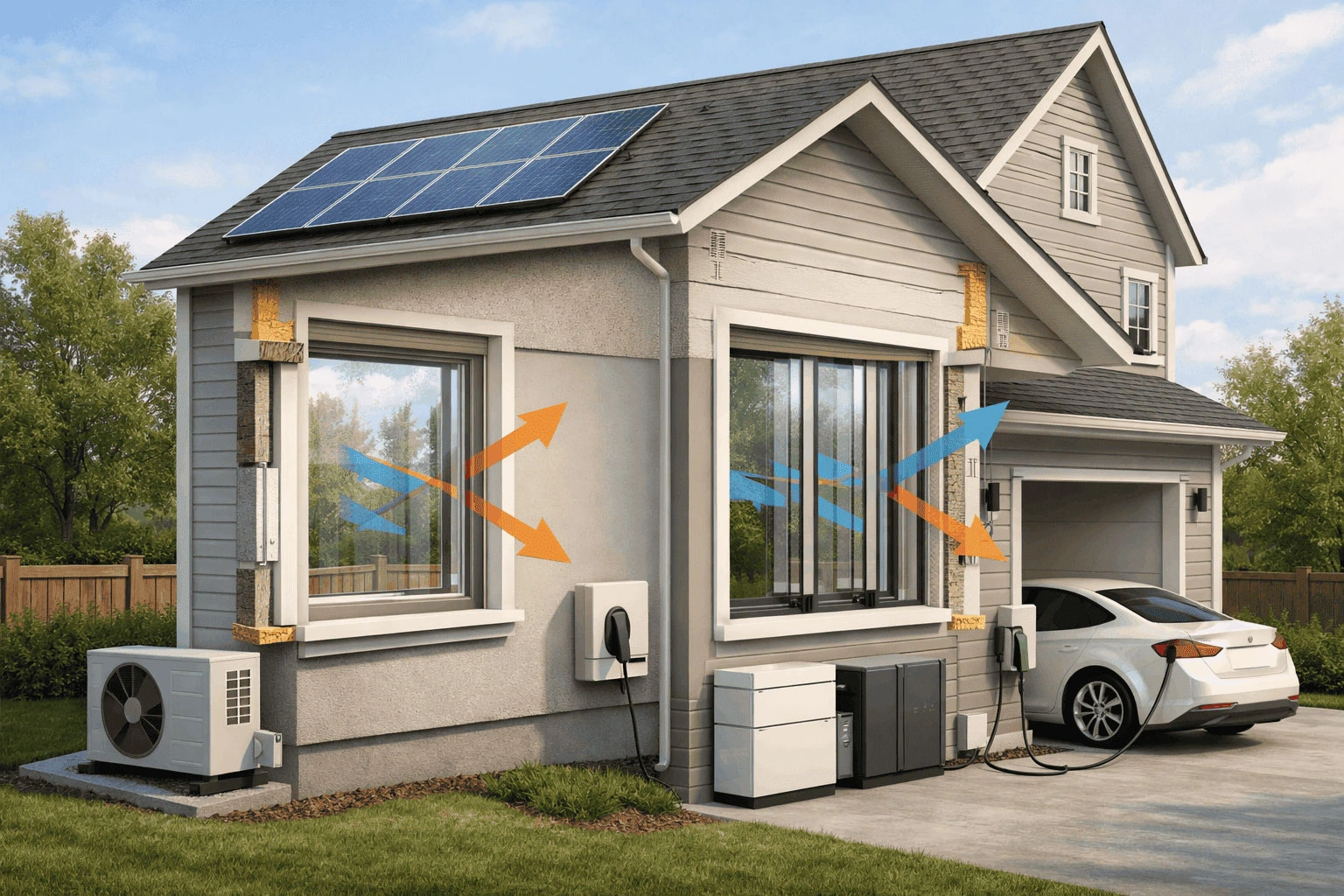
The frame matters just as much. A poor-quality vinyl frame can reduce the benefits of triple glazing.
2. Ignoring Installation Quality
Even the best window performs poorly if:
It’s improperly flashed
Air sealing is inadequate
Spray foam is poorly applied
Air leakage often matters more than the number of panes.
3. Skipping Air Sealing and Insulation First
Sometimes homeowners upgrade to triple pane windows while:
The attic lacks insulation
The rim joists leak air
The basement walls are uninsulated
In many cases, improving attic insulation delivers faster ROI than upgrading from double to triple pane.
4. Overestimating Energy Savings
Triple pane improves efficiency but it won’t cut heating bills in half.
Step-by-Step Decision Guidance
Here’s a practical framework to decide.
Step 1: Assess Your Current Windows
Ask:
Are they single pane or old double pane?
Do they show condensation?
Are frames warped or leaking?
If your windows are 20+ years old, replacement may be justified regardless of pane count.
Step 2: Evaluate Your Climate Exposure
Triple pane makes more sense if:
You live in Northern Ontario
Your home is exposed to strong winter winds
Large windows face north
In milder regions, high performance double pane may be sufficient.
Step 3: Consider Comfort Goals
If you:
Work beside a window
Have a cold bedroom
Notice downdrafts
Triple pane can dramatically improve perceived comfort.
Step 4: Align With Long-Term Plans
Are you planning:
Heat pump installation?
Solar panels?
Deep energy retrofit?
Net Zero goals?
If yes, triple pane may align better with your future envelope performance target.
Ontario & Canada Rebates
Energy efficiency programs in Canada often reward higher performance windows.
Depending on the program year and province:
Federal initiatives have supported window upgrades as part of whole-home retrofits.
Ontario-based programs often require meeting specific efficiency criteria.
Energy audits are typically required before and after upgrades.
Rebates usually favor:
ENERGY STAR certified windows
Lower U-factor ratings
Whole-home performance improvements rather than isolated changes
Always confirm current program rules before making decisions.
When Triple Pane Makes Sense
Triple pane windows are often worth it when:
You’re building a new high-performance home
You’re aiming for near Net Zero energy
You plan to stay in the home long term
You live in a colder climate zone
Comfort and condensation reduction are high priorities
They also pair well with:
Heat pump systems
High R-value wall assemblies
Advanced air sealing strategies
When Double Pane Is the Smarter Choice
Double pane may be the better decision when:
Budget is tight
You’re selling in the near future
Your existing double pane windows are still modern and efficient
Other upgrades (attic insulation, air sealing) offer higher ROI
In many Ontario homes, upgrading attic insulation from R-20 to R-60 delivers more immediate savings than switching from double to triple pane windows.
How Windows Fit Into a Net Zero Roadmap
Windows are one piece of a larger system.
A true Net Zero pathway typically follows this order:
Air sealing
Attic insulation
Basement insulation
Window upgrades
Heat pump conversion
Solar installation
Upgrading windows without improving the building envelope can reduce overall efficiency gains.
Triple pane windows become more impactful when:
Heat loss through other areas has already been minimized
Mechanical systems are being downsized
The goal is to electrify heating
High-performance windows help stabilize indoor temperatures, reducing strain on heat pumps during extreme cold snaps.
Final Thoughts: Which Saves More?
If we’re speaking purely about insulation performance, triple pane windows win.
But savings are not just about thermal numbers. They’re about:
Total home heat loss
Budget allocation
Long-term plans
Comfort priorities
For many Ontario homeowners, high-quality double pane windows installed correctly provide excellent performance. Triple pane becomes most valuable in high-performance builds or deep retrofits.
There is no universal answer only the right answer for your home.
Ready to Make a Smart Decision?
If you’re unsure whether triple pane or double pane windows make sense for your house, the best first step isn’t choosing glass it’s understanding your entire home’s energy profile.
Book a consultation with Net Zero Homes Consulting to receive a customized upgrade roadmap tailored to your home, climate, and long-term energy goals.