
Introduction: When Your Hot Water Becomes a Daily Frustration
It usually starts small. A lukewarm shower on a cold Ontario morning. Someone turns on the kitchen tap, and suddenly the water pressure drops. Then comes the bigger frustration running out of hot water entirely when you need it most.
For many Canadian homeowners, the traditional tank water heater quietly becomes a problem long before it fails. Rising energy bills, inconsistent performance, and limited capacity push homeowners to start exploring alternatives. That’s where tankless systems also known as on-demand water heaters enter the conversation.
But one question always comes first: what is the real tankless water heater cost in Canada? And more importantly, is it worth it?
This guide breaks it down clearly costs, savings, practical considerations, and how this upgrade fits into a future-ready home.
What Is a Tankless Water Heater (And How Is It Different)?
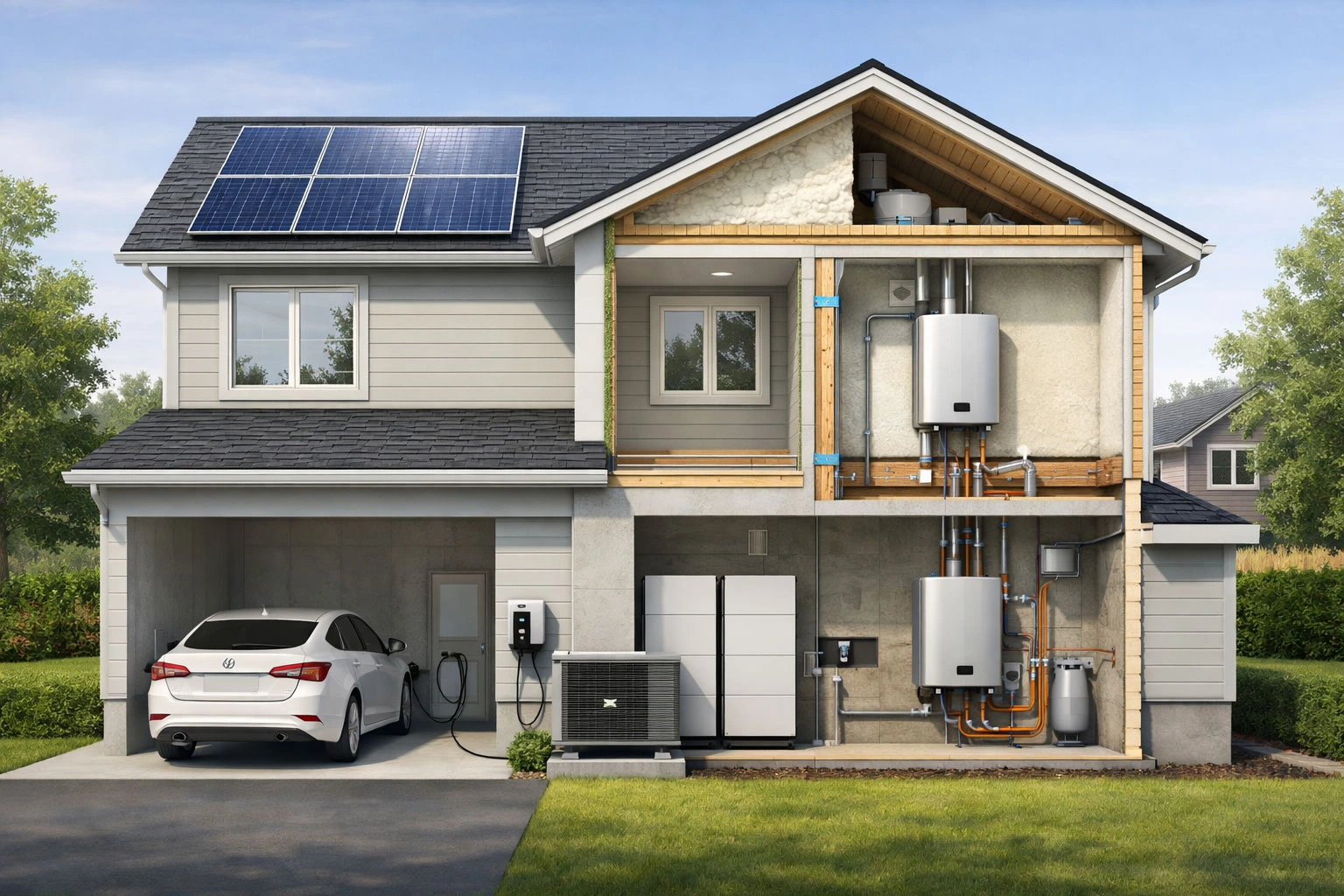
A tankless water heater heats water only when you need it. Instead of storing hot water in a tank, it uses high-powered heating elements (electric or gas) to instantly heat water as it flows through the unit.
Key differences compared to traditional tanks:
- No storage tank – water is heated on demand
- Continuous hot water – no running out mid-shower
- Compact size – wall-mounted, saves space
- Higher efficiency – less standby heat loss
In practical terms, this means a household in Ontario can run back-to-back showers without worrying about depletion but only if the system is properly sized.
Tankless Water Heater Cost in Canada: What to Expect
When homeowners search for tankless water heater cost Canada, they’re often surprised by the range. That’s because total cost depends heavily on installation complexity, fuel type, and home setup.
1. Equipment Cost
- Electric tankless units: $800 – $2,500
- Gas tankless units: $2,000 – $5,500
Gas units are more common in colder climates like Ontario due to higher heating capacity.
2. Installation Cost
This is where costs vary the most.
- Basic installation: $1,000 – $2,500
- Complex installation: $3,000 – $6,500+
Factors that increase installation cost:
- Upgrading gas lines
- Electrical panel upgrades (for electric units)
- Venting requirements (for gas systems)
- Retrofitting older homes
3. Total Installed Cost (Typical Ontario Range)
- Electric system: $2,000 – $5,000
- Gas system: $4,000 – $10,000+
This is the realistic on demand water heater price Ontario homeowners should plan for.
What Drives the Cost Higher (or Lower)?
Not all homes are equal. Two neighbours could install tankless systems and pay very different amounts.
Key cost drivers:
- Home size and hot water demand
- Distance between fixtures and unit
- Fuel type availability (gas vs electric)
- Existing infrastructure condition
- Number of bathrooms
Real homeowner example:
A family in suburban Ontario with two bathrooms and existing gas lines might spend around $5,500 for a gas tankless system.
Meanwhile, an older home without proper venting or gas capacity could see costs exceed $9,000 due to upgrades.
Energy Savings and ROI: Is It Worth It?
Tankless systems are often marketed as energy savers but the reality is more nuanced.
Where savings come from:
- Eliminating standby heat loss
- More efficient heating cycles
- Lower energy use during low-demand periods
Typical savings:
- 10%–30% reduction in water heating energy costs
- Greater savings in homes with moderate water usage
Payback period:
- Typically 7–15 years, depending on usage and installation cost
Important context:
If your current tank is relatively new and efficient, the financial ROI alone may not justify immediate replacement.
However, when combined with:
- Rising energy costs
- Long-term durability (tankless units last 15–20 years)
- Improved comfort
…the value proposition becomes more compelling.
Common Mistakes Homeowners Make
Tankless systems can perform exceptionally well but only when installed correctly. Many issues come from poor planning.
1. Choosing the wrong size
Undersized units struggle in Canadian winters, especially when groundwater temperatures are low.
2. Ignoring installation complexity
Homeowners often budget for the unit but not for electrical or gas upgrades.
3. Expecting instant hot water everywhere
Tankless systems provide continuous hot water, not instant delivery. Pipe length still matters.
4. Overestimating savings
Energy savings are real, but not dramatic enough to justify the upgrade alone in every case.
5. DIY or inexperienced installation
Improper venting or setup can reduce efficiency and lifespan significantly.
Step-by-Step: How to Decide If Tankless Is Right for You
If you’re feeling unsure, that’s normal. Here’s a practical way to evaluate your situation.
Step 1: Assess your current system
- Age of your water heater
- Energy bills
- Performance issues
If your tank is nearing end-of-life, this is the ideal decision point.
Step 2: Evaluate your hot water usage
- Number of bathrooms
- Simultaneous usage (showers, laundry, dishwasher)
- Peak demand times
Step 3: Check your home’s infrastructure
- Gas line capacity
- Electrical panel size
- Venting feasibility
Step 4: Compare options
- High-efficiency tank vs tankless
- Hybrid heat pump water heaters
Step 5: Consider long-term goals
Are you planning to:
- Reduce carbon footprint?
- Move toward a Net Zero home?
- Stay in the home long-term?
Your answers should guide the decision not just upfront cost.
Rebates and Incentives in Ontario and Canada
Tankless systems may qualify for incentives, but eligibility varies.
Potential sources:
- Federal energy efficiency programs
- Provincial initiatives in Ontario
- Utility-based rebates
In many cases, high-efficiency or low-emission systems are prioritized over standard upgrades.
Important note: rebates change frequently. Always verify current programs before making a decision.
When a Tankless Water Heater Makes Sense
Tankless is not for everyone but in the right scenario, it’s a strong upgrade.
It makes sense if:
- Your current tank is failing or outdated
- You want long-term energy efficiency improvements
- You need continuous hot water for a busy household
- You’re already upgrading gas or electrical systems
- You’re planning other energy upgrades
When It May Not Be the Best Choice
There are situations where tankless may not be ideal.
It may not make sense if:
- Your existing tank is new and efficient
- Installation requires major infrastructure upgrades
- Your household has low water usage
- You’re focused purely on short-term savings
In these cases, alternatives like heat pump water heaters may offer better ROI.
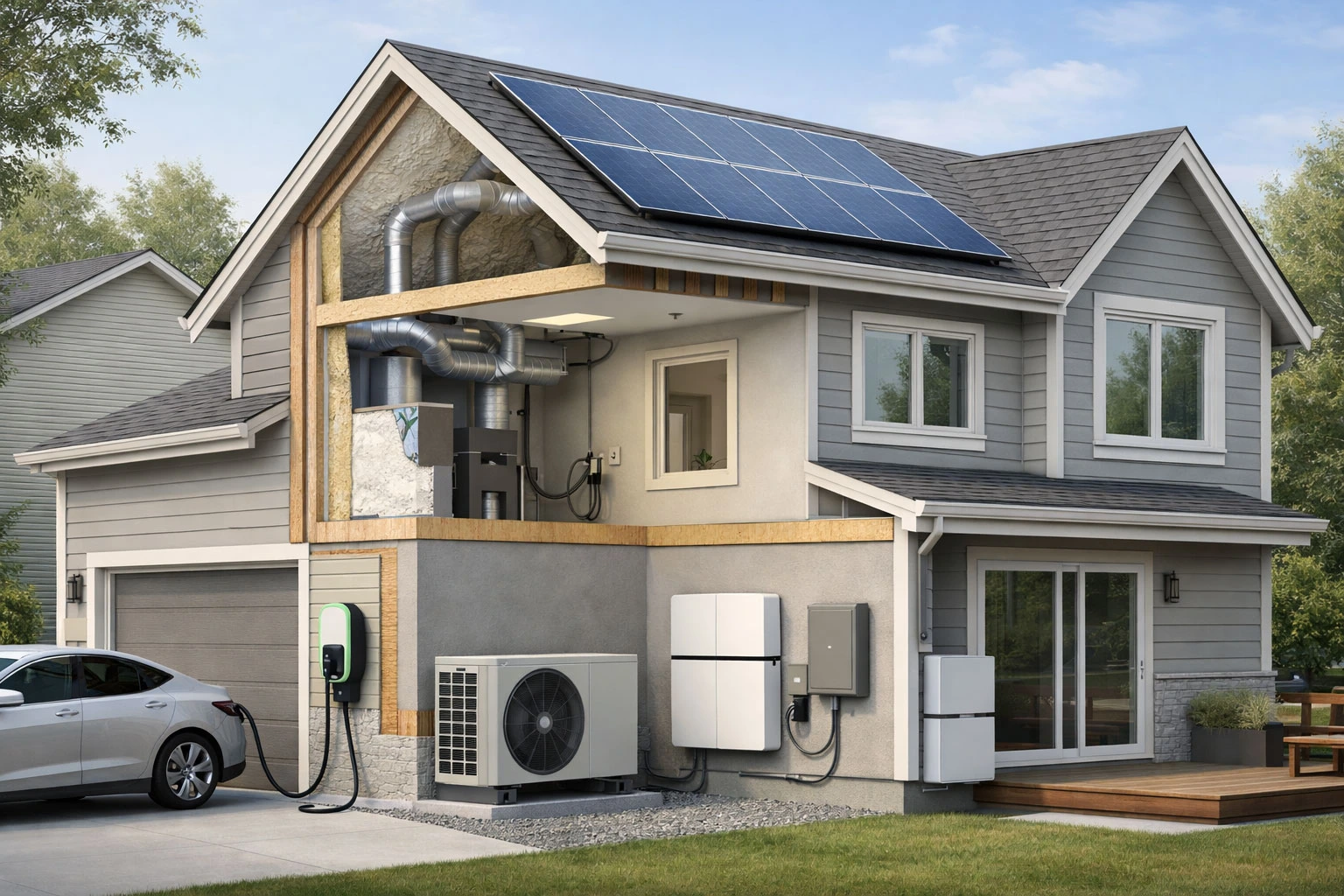
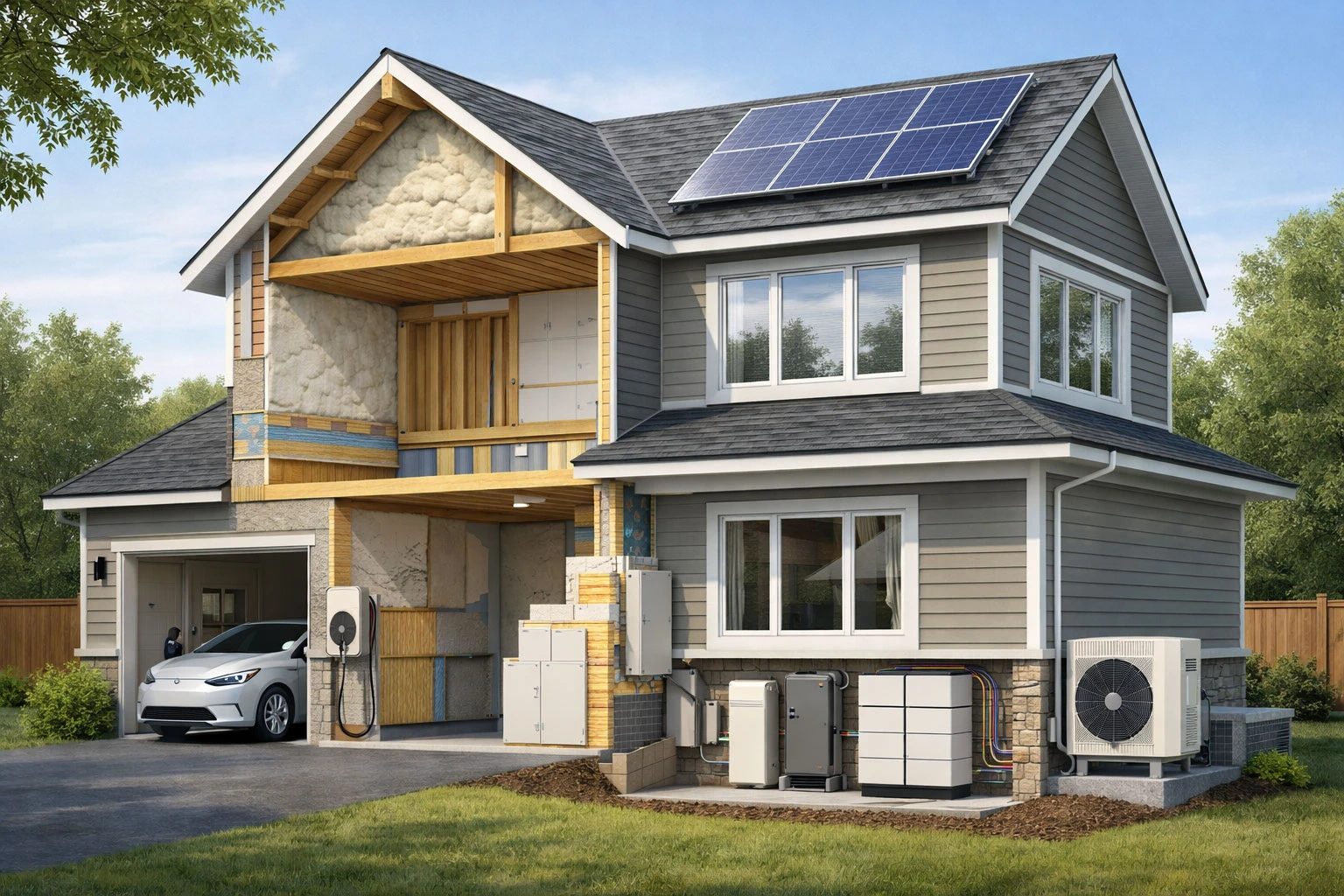
How Tankless Fits Into a Net Zero Roadmap
For homeowners thinking beyond immediate upgrades, tankless systems play a specific role.
In a Net Zero strategy:
- Reduces energy waste compared to traditional tanks
- Works well in gas-based systems transitioning to efficiency
- Can complement building envelope improvements
However, fully electric homes aiming for Net Zero may lean toward heat pump water heaters instead.
Tankless is often a transition solution, not always the final destination.
Final Thoughts: Making a Confident Decision
Tankless water heaters offer clear benefits space savings, continuous hot water, and improved efficiency. But the tankless water heater cost Canada homeowners face is not just about the unit. Installation complexity, home infrastructure, and long-term goals all play a role.
The best decision comes from looking at your home as a system, not a single upgrade.
Ready to Plan Your Upgrade?
If you’re considering a tankless water heater or exploring broader energy improvements, a personalized approach makes all the difference.
Book a consultation with Net Zero Homes Consulting to get a clear, customized upgrade roadmap tailored to your home, your budget, and your long-term goals.