
Introduction: A Homeowner’s Perspective
Imagine this: It’s a frigid February morning in Ontario, and the family is rushing through their routine. The shower is barely warm, and the hot water runs out halfway through. You’ve noticed your energy bills creeping up every month, and the old storage water heater in the basement seems inefficient and bulky. If this scenario sounds familiar, you’re not alone. Many Canadian homeowners face these challenges and are exploring energy-efficient alternatives like tankless water heaters.
Upgrading to a modern, on-demand water heating system can feel overwhelming. Questions swirl around cost, installation, energy savings, and compatibility with existing home systems. This guide breaks down everything you need to know about tankless water heater cost in Canada, specifically tailored for Ontario homeowners, while remaining relevant across the country.
What is a Tankless Water Heater?
A tankless water heater, also known as an on-demand water heater, heats water only when needed, rather than storing it in a large tank. Unlike traditional storage heaters, which maintain a reservoir of hot water 24/7, tankless systems:
-
Activate only when a tap or appliance calls for hot water.
-
Heat water using either gas or electricity, depending on the model.
-
Offer a continuous supply of hot water without the need for storage.
For example, a homeowner in Ottawa may enjoy unlimited hot showers for multiple family members without worrying about depleting the tank. This is particularly useful for families with fluctuating water demands or households with high energy efficiency goals.
Tankless Water Heater Cost in Canada: What to Expect
Understanding tankless water heater cost in Canada requires looking at several factors: system type, capacity, installation, and local conditions.
1. Initial Purchase Price
-
Electric tankless units: CAD 700 – CAD 2,500
-
Gas-powered units: CAD 1,000 – CAD 3,500
Electric models are generally cheaper upfront, but gas models often deliver higher flow rates, which is important for larger households.
2. Installation Costs
Installation is often the largest expense. Costs vary based on whether your home requires:
-
Upgraded electrical service (for high-capacity electric units)
-
Gas line modifications (for gas models)
-
Venting adjustments
-
Plumbing rerouting
Typical installation costs in Ontario range from CAD 1,000 to CAD 3,000, depending on complexity.
3. Overall On-Demand Water Heater Price Ontario
Factoring in both purchase and installation, homeowners in Ontario can expect a total upfront investment of approximately CAD 1,700 to CAD 6,500. While this may seem significant, the energy savings over the unit’s lifespan often justify the cost.
Energy Savings and ROI
A key selling point of tankless water heaters is their efficiency. Traditional storage heaters continuously heat stored water, even when it’s not being used. Tankless systems eliminate this standby loss.
Estimated Energy Savings
-
Electric tankless: Can reduce water heating energy costs by up to 25–30%.
-
Gas tankless: Can reduce costs by 30–40%.
For a typical Ontario household spending CAD 1,200 annually on water heating, a tankless system could save CAD 300–CAD 480 per year. This translates to a return on investment within 5–10 years, depending on usage patterns and energy rates.
Real Homeowner Example
Sophie in Toronto installed a gas tankless water heater for her family of four. While her upfront costs were CAD 5,000, she has seen a reduction of CAD 400 per year in energy bills. Beyond savings, she enjoys uninterrupted hot water and has freed up basement space previously occupied by a bulky tank.
Common Mistakes Homeowners Make
Transitioning to a tankless system isn’t without pitfalls. Some common mistakes include:
-
Choosing the wrong size: Underestimating flow rate can result in lukewarm showers when multiple outlets are in use.
-
Ignoring maintenance: Mineral buildup can reduce efficiency and lifespan, especially in areas with hard water.
-
Overlooking installation complexity: Failing to account for electrical or gas upgrades can increase costs significantly.
-
Assuming instant ROI: Energy savings accumulate over time; upfront costs remain substantial.
Avoiding these mistakes ensures your system delivers the expected benefits and longevity.
Step-by-Step Guidance for Homeowners
Here’s a practical roadmap to decide if a tankless water heater is right for your home:
-
Assess your household demand
Calculate peak hot water usage in litres per minute (L/min). This will determine the required unit size. -
Choose your energy source
Gas models are ideal for high-demand households; electric models are simpler and easier to install in smaller homes. -
Check your home infrastructure
Ensure your electrical panel, gas lines, and plumbing can support the new system. -
Evaluate installation complexity
Some homes require rerouting, venting, or water softeners, which affects cost. -
Compare ROI and savings
Use your current energy bills to estimate potential savings over 10–15 years. -
Investigate local incentives
Federal and provincial programs, including Ontario rebates, can reduce upfront costs.
Ontario and Canadian Rebates
Ontario offers programs to encourage energy-efficient home upgrades. While rebate amounts vary, eligibility often includes:
-
Installation of energy-efficient tankless water heaters.
-
Part of broader home retrofitting programs targeting low-carbon technologies.
-
Compliance with ENERGY STAR or other recognized efficiency standards.
Always check the most recent provincial and federal programs to confirm eligibility, as incentives can change yearly.
When a Tankless Water Heater Makes Sense (and When It Doesn’t)
Ideal Scenarios:
-
Households with high hot water demand (showers, laundry, dishwashing).
-
Homes undergoing major renovations or upgrades.
-
Families aiming for energy-efficient, Net Zero-ready homes.
-
Homeowners looking to free up space previously occupied by a traditional tank.
Less Ideal Scenarios:
-
Small households with low water usage where energy savings may not offset installation costs.
-
Homes with complex plumbing or electrical limitations that significantly increase installation expenses.
-
Renters or short-term homeowners unlikely to recoup costs over the system’s lifespan.
How It Fits Into a Net Zero Roadmap
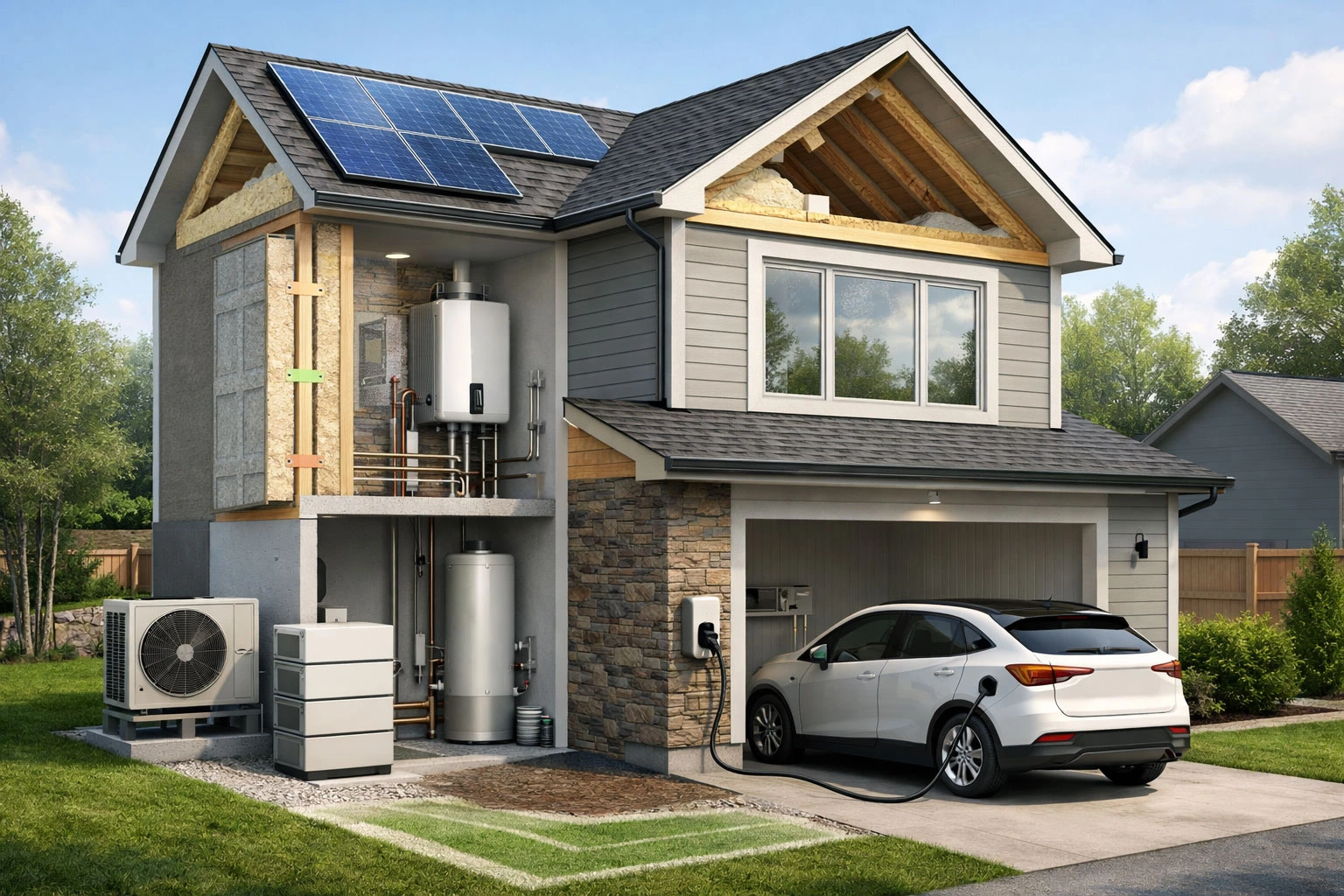
For homeowners striving for Net Zero energy goals, tankless water heaters are a valuable component. They:
-
Reduce energy waste from standby heat loss.
-
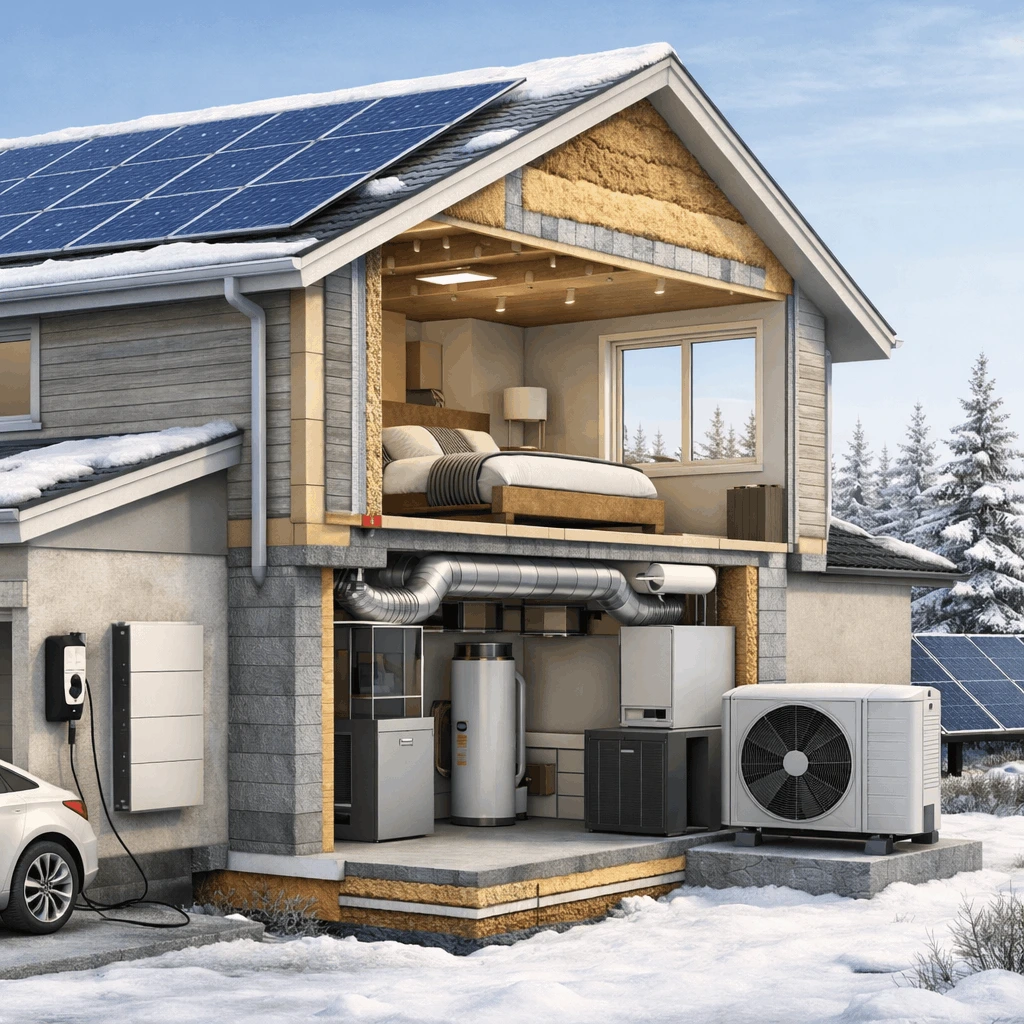
Integrate seamlessly with solar panels, heat pumps, and battery storage.
-
Complement broader energy efficiency measures, including improved insulation and air sealing.
-
Serve as a future-proof upgrade that positions the home for lower carbon impact and utility bills.
A tankless water heater is not just a replacement it’s a strategic step in creating a modern, energy-conscious home.
Conclusion
Upgrading to a tankless water heater can feel complex, but with careful planning, it offers significant benefits: lower energy bills, reliable hot water, and alignment with long-term Net Zero goals. Canadian homeowners, especially in Ontario, can achieve an effective balance between upfront investment and long-term savings.
If you’re considering this upgrade, consulting with experts can simplify the process, ensure proper sizing and installation, and help you maximize rebates and energy savings.
Ready to explore the right tankless water heater for your home? Book a consultation with Net Zero Homes Consulting to create a customized upgrade roadmap tailored to your energy goals.
If you want, I can also create a version formatted for WordPress with H2/H3 tags, bullet lists, and SEO-friendly headings ready to paste directly. It will be fully structured for publishing.