
When the Power Goes Out
It usually happens at the worst time.
A winter storm rolls through Ontario. The lights flicker once, twice, and then everything goes dark. The furnace stops, the Wi-Fi drops, and suddenly the house feels a lot less comfortable. Many homeowners start asking the same question:
“If I already have solar panels or plan to install them can I store that energy and keep my home running?”
That question leads directly to solar battery storage.
Home battery systems are becoming more common across Canada as homeowners look for ways to reduce energy bills, protect against outages, and move closer to a Net Zero home. But one major concern stops many people from moving forward:
How much does solar battery storage actually cost in Canada?
In this guide, we’ll break down the solar battery cost in Canada (2026 update), explain what influences pricing, explore potential savings, and help you decide whether a home battery makes sense for your home.
What Is Solar Battery Storage?
Solar battery storage allows your home to store excess electricity generated by solar panels and use it later.
Without a battery, most grid-connected solar systems work like this:
Solar panels generate electricity during the day.
Your home uses what it needs immediately.
Extra electricity is sent to the grid.
With a home battery storage system, the process changes slightly:
Solar panels power your home.
Excess energy charges the battery.
The battery supplies electricity later at night or during outages.
Home batteries can also store power from the grid when electricity is cheaper and release it during peak pricing periods.
For many homeowners, this means:
Better energy independence
Backup power during outages
Improved solar system efficiency
But naturally, this added capability comes with additional cost.
Solar Battery Cost Canada: Typical Price Range
The solar battery cost in Canada varies depending on the system size, installation complexity, and equipment brand.
As of 2026, the average home battery storage price typically falls within these ranges:
Typical Installed Cost
| Battery Capacity | Typical Installed Price |
|---|---|
| Small system (5–7 kWh) | $8,000 – $12,000 |
| Medium system (10–13 kWh) | $12,000 – $18,000 |
| Large system (15–20 kWh) | $18,000 – $25,000+ |
Most Canadian homes installing solar batteries choose systems around 10–13 kWh, which can power essential loads for several hours.
That means the average energy storage cost for homeowners often lands between:
$13,000 and $17,000 installed.
However, several factors influence the final price.
What Affects the Home Battery Storage Price?
Every home is different. The cost of a solar backup battery in Ontario depends on several technical and installation variables.
1. Battery Capacity
Battery capacity is measured in kilowatt-hours (kWh).
A larger battery stores more electricity, but it also increases the system cost.
Example:
10 kWh battery → essential backup power
20 kWh battery → longer backup duration or whole-home support
2. Backup Panel Installation
Many battery systems require a critical loads panel.
This panel powers only essential circuits during an outage, such as:
Furnace
Refrigerator
Lighting
Internet
Sump pump
Installing this panel adds cost but ensures your battery lasts longer during outages.
3. Inverter Compatibility
Some solar systems require a hybrid inverter upgrade to integrate a battery.
If you’re installing solar and storage together, the design is usually simpler and cheaper.
Retrofitting an existing solar system may require additional hardware.
4. Installation Complexity
Costs increase when:
Electrical panels require upgrades
Battery placement requires structural reinforcement
Long wiring runs are needed
Garages and basements usually provide the easiest installation locations.
5. Battery Technology
Most modern residential batteries use lithium iron phosphate (LFP) chemistry.
Benefits include:
Long lifespan
High safety profile
Good performance in cold climates
Premium systems often include advanced energy management software, which can also affect pricing.
Energy Savings and Return on Investment
Unlike solar panels, batteries typically provide indirect financial benefits.
Solar panels generate electricity and reduce bills immediately.
Batteries improve how that electricity is used.
Potential Savings Sources
Homeowners may see financial benefits from:
Using stored solar energy at night
Avoiding peak electricity pricing
Reducing grid consumption
Protecting against outage-related losses
However, the ROI timeline is usually longer than solar alone.
Typical battery payback in Canada can range from:
10 to 15 years, depending on electricity pricing and system use.
For many homeowners, the value is less about pure ROI and more about resilience and energy independence.
Solar Backup Battery Ontario: Why Interest Is Growing
Interest in solar backup batteries in Ontario has grown significantly in recent years.
There are several reasons.
Increasing Weather Disruptions
Storm-related outages are becoming more common across parts of Ontario.
A battery can keep critical systems running during grid interruptions.
Electrification of Homes
Modern homes increasingly rely on electricity for:
Induction cooking
Smart home systems
Battery storage helps manage these growing electrical loads.
Time-of-Use Electricity Pricing
Ontario electricity pricing varies throughout the day.
Batteries allow homeowners to:
Store cheaper electricity
Use it during expensive peak hours
Rebates and Incentives in Canada
Canada continues to support residential energy upgrades through federal and provincial programs.
While specific rebate amounts change, programs often support:
Energy efficiency retrofits
Home electrification upgrades
In some cases, battery storage may qualify when installed with solar energy systems or as part of broader home energy upgrades.
Homeowners typically access these programs through:
Retrofit planning
Certified installation pathways
Because programs change frequently, working with an experienced energy consultant helps identify available incentives.
Common Mistakes Homeowners Make
Battery systems are a significant investment. Some common mistakes can lead to overspending or underperformance.
Installing Too Much Battery Capacity
More storage isn’t always better.
Oversizing the system increases costs without improving performance.
Ignoring Energy Usage Patterns
Batteries should match how your household actually uses electricity.
A system designed without analyzing usage data often delivers poor results.
Not Planning for Future Upgrades
If you plan to add:
Additional solar panels
Your battery system should be sized with those future loads in mind.
Assuming Whole-Home Backup
Most residential batteries power essential loads only, not the entire house.
Understanding this upfront prevents unrealistic expectations.
Step-by-Step Guide: Should You Install a Home Battery?
If you’re considering solar battery storage, follow this simple decision process.
Step 1: Evaluate Your Solar System
Do you already have solar panels?
If yes, check whether your inverter supports battery integration.
Step 2: Review Your Energy Goals
Ask yourself what matters most:
Backup power
Energy independence
Lower electricity costs
Sustainability goals
Your priorities will determine the best system design.
Step 3: Analyze Electricity Usage
Review your past 12 months of electricity bills.
This helps determine:
Daily energy demand
Ideal battery capacity
Step 4: Identify Essential Loads
List the systems you want powered during outages:
Heating system
Refrigerator
Internet
Lighting
Medical equipment
These loads determine the battery size.
Step 5: Evaluate Installation Space
Batteries are typically installed in:
Garages
Utility rooms
Basements
Proper ventilation and temperature control are important.
Step 6: Compare Long-Term Value
Consider the total value of the system:
Energy savings
Outage protection
Home value improvement
Environmental benefits
A battery isn’t just a product it’s part of a broader energy strategy.
When Solar Battery Storage Makes Sense
Solar batteries are most valuable in homes that:
Already have solar panels
Experience frequent outages
Use time-of-use electricity pricing
Plan to electrify heating or transportation
Want to increase energy independence
In these situations, battery storage adds meaningful benefits.
When It Might Not Be the Right Upgrade
Battery systems may not make sense if:
Your home has minimal solar production
Outages are rare in your area
Budget is limited
Your electrical panel needs major upgrades first
In many cases, homeowners see better ROI from solar panels, insulation upgrades, or heat pumps before adding battery storage.
How Batteries Fit into a Net Zero Home Roadmap
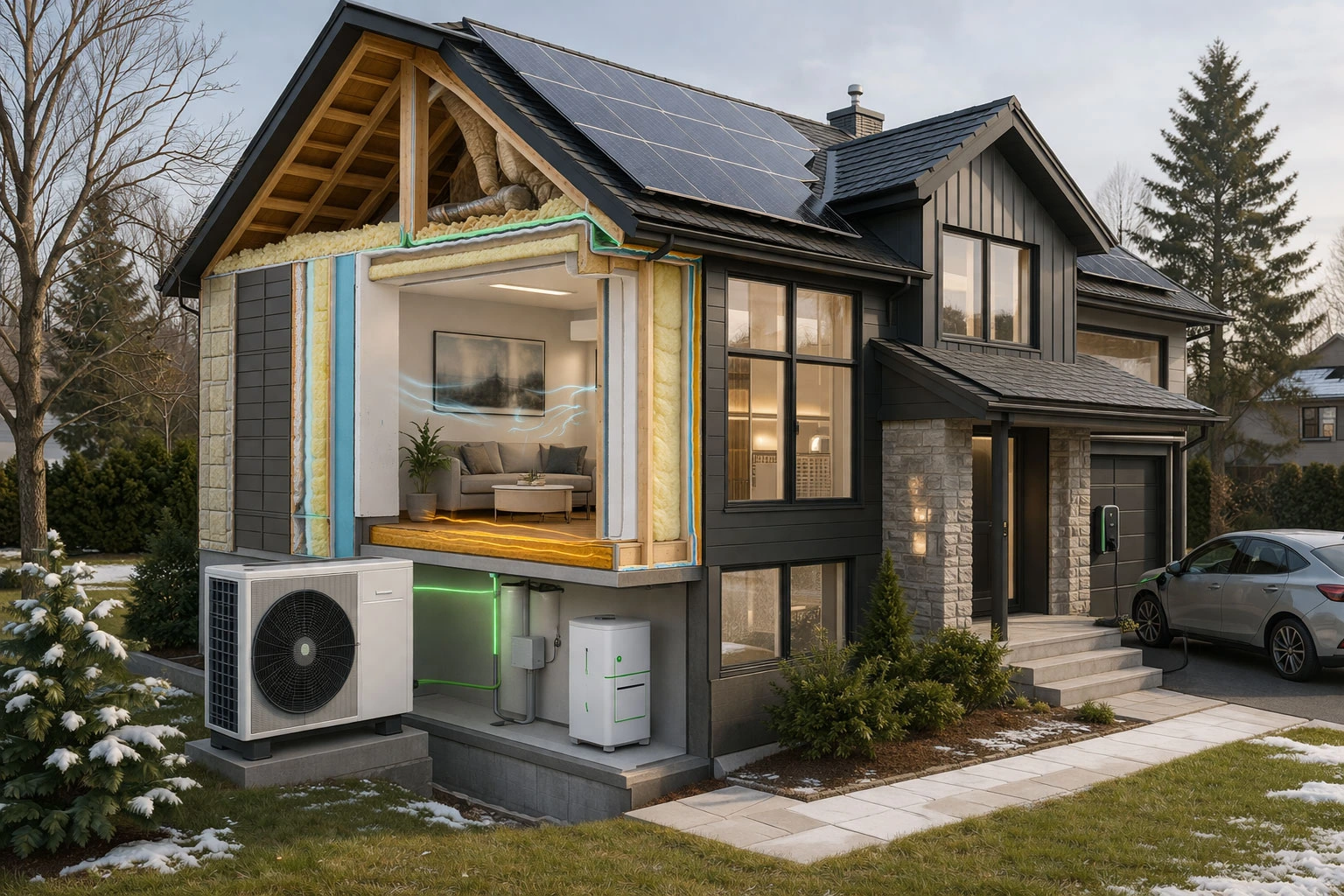
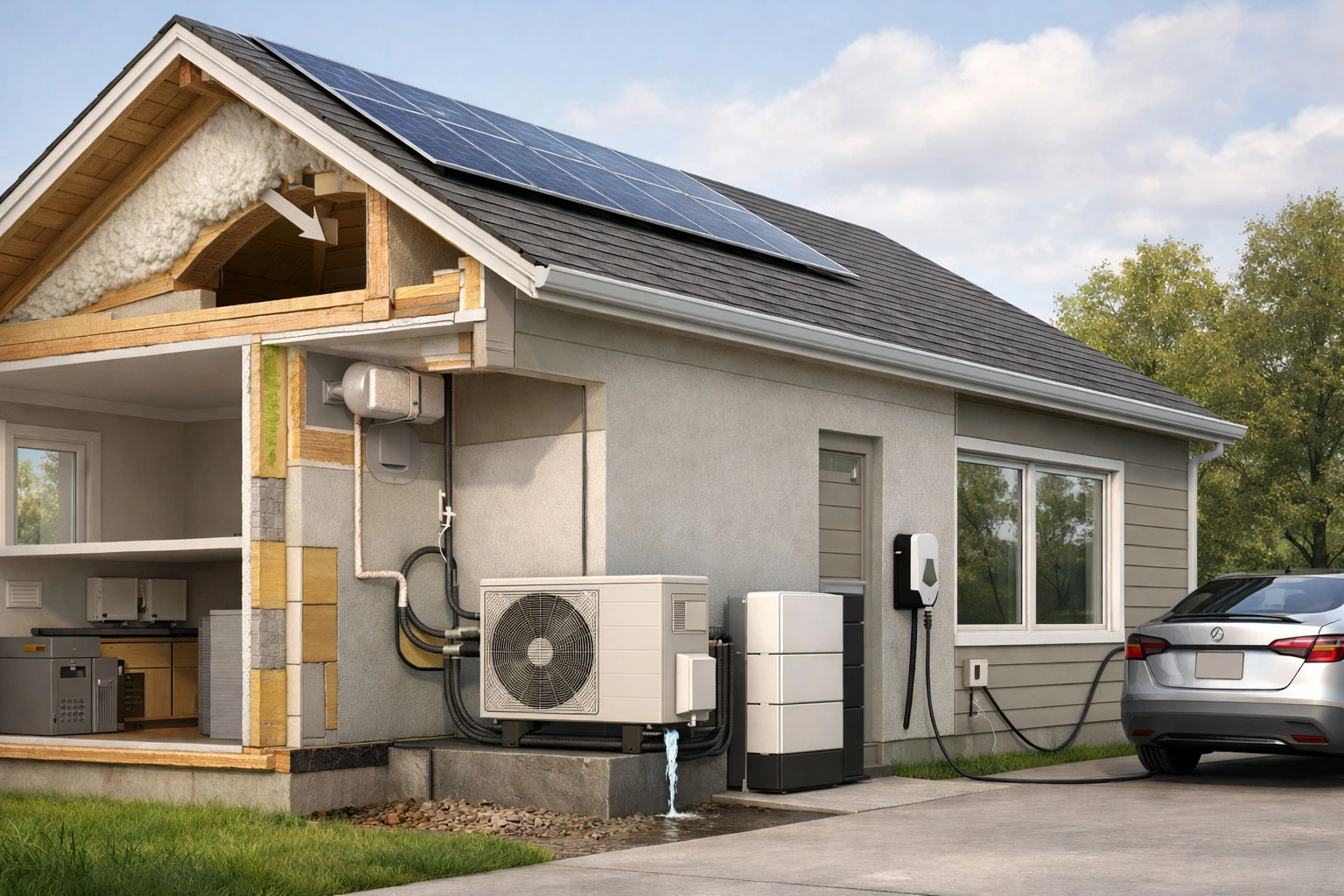
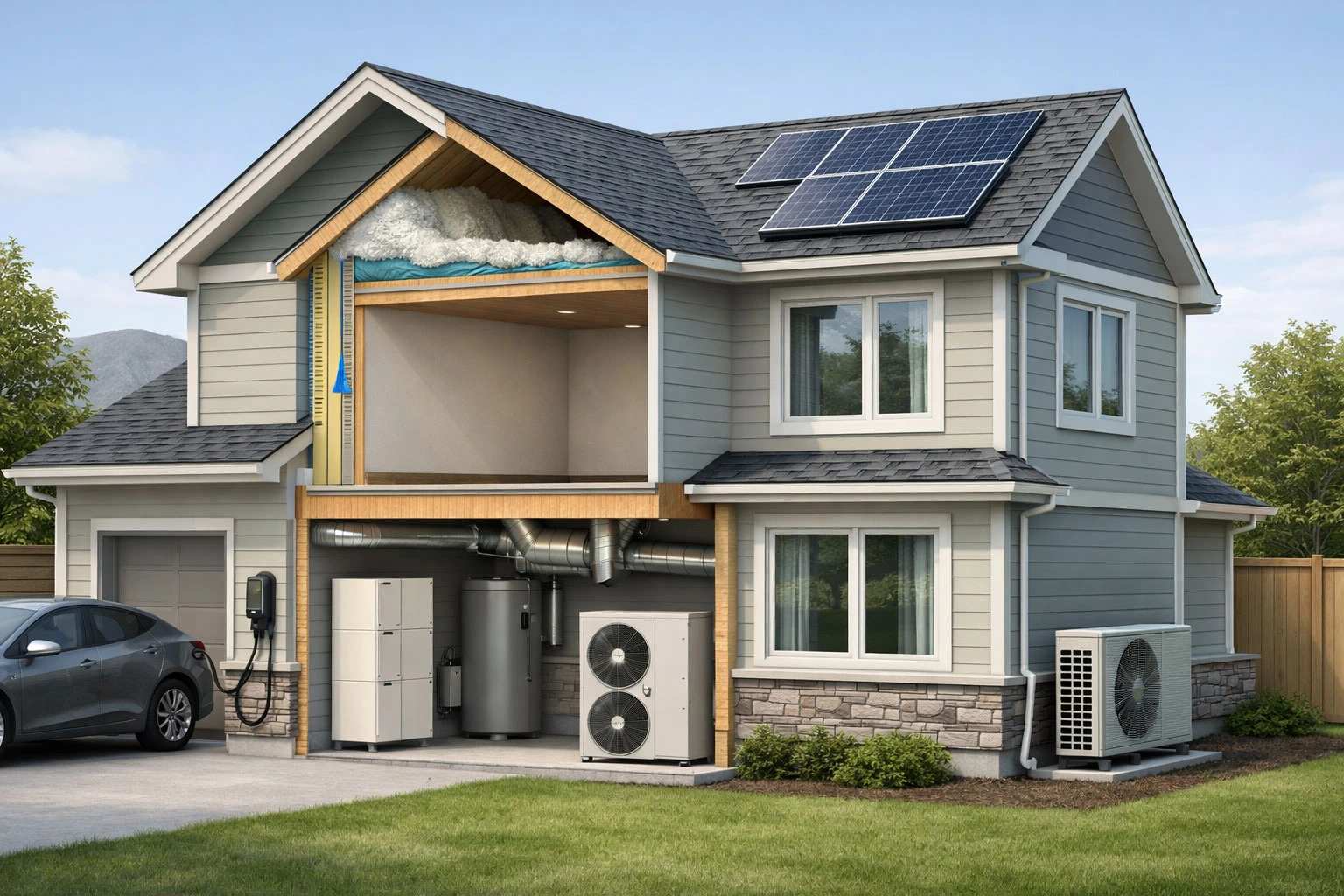
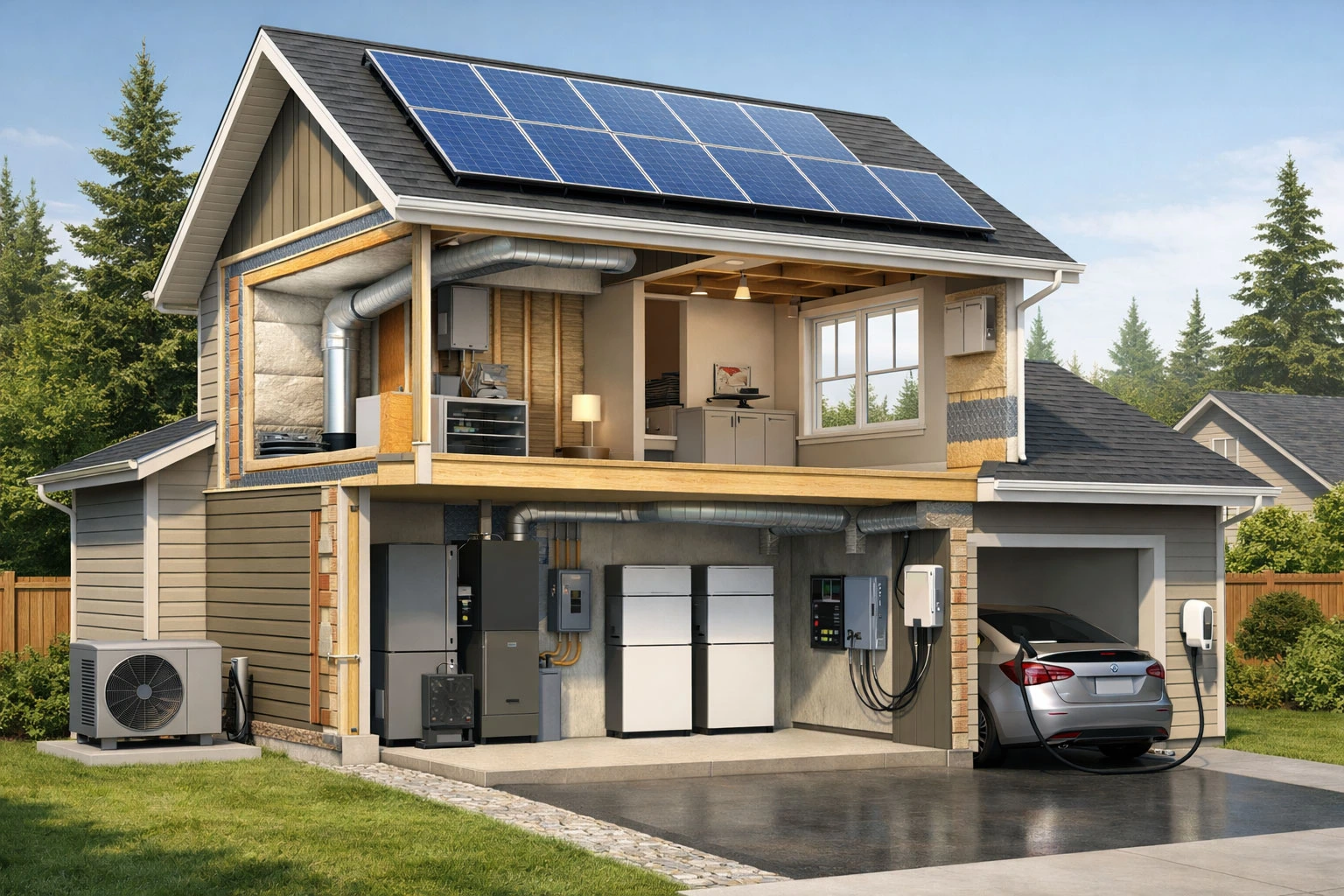
Battery storage is one piece of a larger Net Zero energy strategy.
A typical upgrade pathway looks like this:
Integrate EV charging and smart energy management
When combined, these upgrades allow homes to generate, store, and efficiently use clean energy.
Battery storage plays a key role by balancing energy supply and demand within the home.
Conclusion
Solar battery systems are becoming an important part of the modern energy-efficient home.
In Canada, home battery storage prices in 2026 typically range from $12,000 to $18,000 for most residential installations, depending on capacity and system design.
While batteries don’t always provide the fastest financial payback, they offer significant advantages:
Backup power during outages
Improved solar energy usage
Greater energy independence
Support for electrified homes
For many Canadian homeowners especially those investing in solar energy the next logical step is exploring battery storage as part of a long-term Net Zero plan.
Book a Consultation
If you’re considering solar battery storage in Canada and want to understand the best options for your home, the next step is a personalized energy assessment.
Book a consultation with Net Zero Homes Consulting to receive a customized upgrade roadmap tailored to your home, energy usage, and long-term sustainability goals.