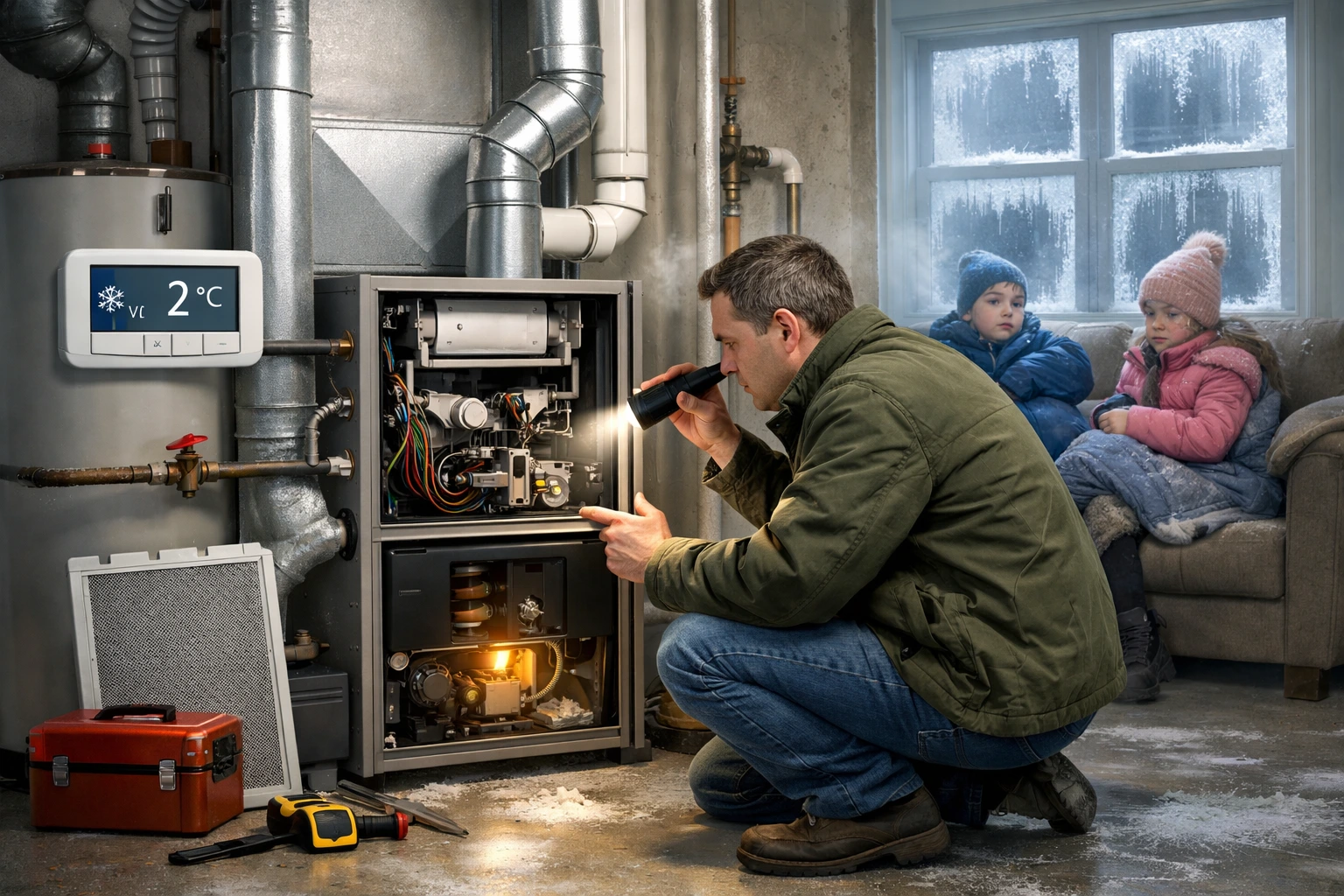

It’s a cold February morning in Ontario. The furnace kicks on earlier than expected, even though no one adjusted the thermostat overnight. By afternoon, the house feels stuffy and overheated. Later that evening, the heating system runs again just as everyone leaves for dinner.
Many homeowners experience this pattern: inconsistent comfort and rising utility bills without a clear explanation.
Traditional thermostats operate on simple schedules or manual adjustments. But modern homes especially those aiming for higher efficiency increasingly rely on smart HVAC controls to manage temperature, energy use, and comfort automatically.
This raises a practical question for many households:
What does smart thermostat installation cost in Ontario, and is it worth the upgrade?
This guide explains the real costs, potential savings, and how smart thermostats fit into a long-term home energy strategy.
What a Smart Thermostat Actually Does
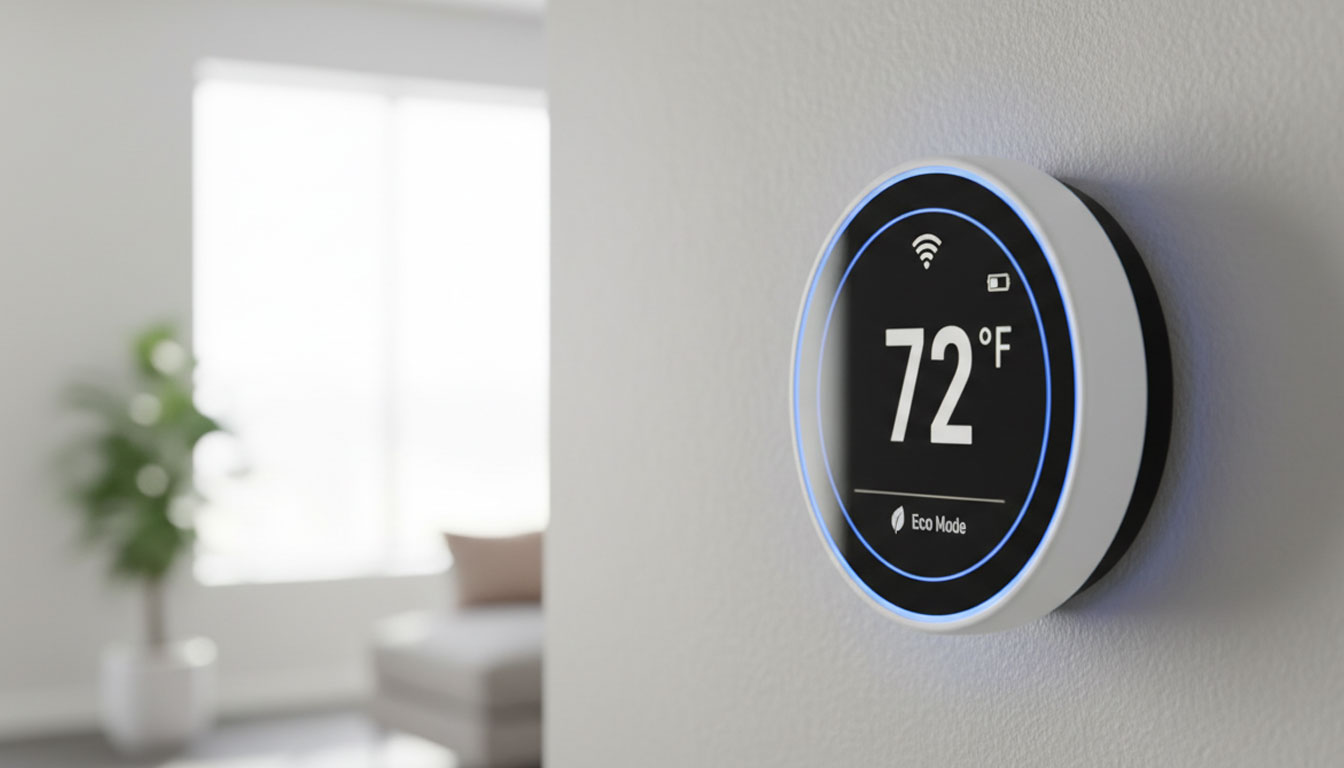
A smart thermostat goes far beyond simply turning heating or cooling systems on and off.
Modern devices integrate with Wi-Fi, mobile apps, sensors, and HVAC systems to manage home comfort more intelligently.
Key capabilities typically include:
Learning household routines and adjusting temperatures automatically
Remote control via smartphone or tablet
Energy monitoring with usage reports
Geofencing, which adjusts settings when occupants leave or return
Integration with HVAC smart controls, heat pumps, and ventilation systems
Compatibility with home automation platforms
For Ontario homeowners dealing with long heating seasons, these features can significantly reduce unnecessary furnace runtime.
However, the real value depends on proper installation and system compatibility.
Smart Thermostat Installation Cost in Ontario
The smart thermostat installation cost in Ontario typically falls into three components:
The thermostat device itself
Professional installation
Optional wiring or system upgrades
1. Thermostat Device Cost
Most quality smart thermostats range from:
$180 – $450 CAD
Higher-end models often include:
Advanced learning algorithms
Multi-room sensors
Heat pump compatibility
Integration with smart home systems
Lower-cost options still provide basic scheduling and remote control features.
2. Professional Installation
Professional installation usually costs:
$120 – $300 CAD
This service typically includes:
Removing the old thermostat
Connecting wiring to the new system
Verifying HVAC compatibility
Configuring Wi-Fi and mobile app access
Testing heating and cooling cycles
The thermostat setup price in Canada can vary slightly depending on the HVAC contractor and the complexity of the system.
For most modern homes with existing wiring, installation is relatively straightforward.
3. Wiring or System Modifications
Some homes require additional work.
Common upgrades include:
Installing a C-wire (common wire) for power
Adjusting wiring for heat pump systems
Integrating with multi-zone HVAC controls
These upgrades may add:
$50 – $250 CAD
Older homes built before smart controls became common are more likely to need this step.
Typical Total Cost Range
For most households, the total smart thermostat installation cost Ontario homeowners pay is:
$300 – $700 CAD
This includes both the device and professional installation.
Energy Savings and Return on Investment
Heating accounts for a large share of household energy use in Ontario. Even modest efficiency improvements can reduce utility bills.
Smart thermostats help by preventing heating systems from running when they are not needed.
Typical energy savings come from:
Lower temperatures while occupants are away
More accurate temperature control
Reduced furnace cycling
Optimized heating schedules
Many homeowners see 5–12% heating energy reductions, though actual savings depend on behavior and system type.
Example Scenario
Consider a household spending:
$1,800 annually on heating
A 10% reduction could save:
$180 per year
If installation cost is $500, the system could effectively pay for itself in roughly three years.
The value extends beyond energy savings. Many homeowners also report improved comfort and fewer temperature swings.
Rebates and Incentives in Ontario and Canada
Energy efficiency upgrades in Canada often qualify for government or utility incentives.
Programs change periodically, but many include support for HVAC smart controls and energy management upgrades.
Smart thermostats may qualify when they are installed as part of broader improvements such as:
Heat pump installations
Whole-home energy retrofits
Home efficiency programs
Net Zero readiness upgrades
A professional energy consultant can determine whether a smart thermostat installation fits within a rebate-eligible project.
Common Mistakes Homeowners Make
Although smart thermostats are relatively simple devices, several mistakes can limit their effectiveness.
1. Installing Without Checking HVAC Compatibility
Not all thermostats work with every system.
Potential compatibility issues include:
Two-stage furnaces
Heat pumps
Zoned heating systems
Confirming compatibility before purchase prevents unnecessary replacements.
2. Installing Without a C-Wire
Many smart thermostats require continuous power.
Homes without a C-wire may experience:
Device shutdowns
Connectivity issues
Inconsistent operation
Professional installers can easily solve this problem.
3. Overcomplicated Scheduling
Some homeowners create complex schedules that actually reduce efficiency.
In many cases, the learning mode or simple schedules work better.
4. Poor Thermostat Placement
Location affects performance.
Avoid placing thermostats near:
Direct sunlight
Exterior doors
Air vents
Kitchens
Improper placement can cause inaccurate readings and unnecessary HVAC operation.
Step-by-Step Decision Guide for Homeowners
If you are considering a smart thermostat, the following process helps ensure a successful upgrade.
Step 1: Identify Your Heating System
Determine whether your home uses:
Gas furnace
Electric furnace
Heat pump
Boiler system
Compatibility varies depending on the system type.
Step 2: Check Wiring
Remove the thermostat cover and inspect the wiring.
Look specifically for:
A C-wire connection
Multi-stage wiring
Extra sensor wires
If unsure, an HVAC technician can assess the setup quickly.
Step 3: Choose the Right Thermostat Features
Not every home needs the most advanced model.
Consider whether you want:
Remote smartphone control
Room sensors
Energy reports
Smart home integration
Choosing features aligned with your lifestyle improves long-term satisfaction.
Step 4: Consider Professional Installation
While DIY installation is possible, professional installation ensures:
Proper wiring connections
HVAC compatibility verification
System calibration
This small upfront cost can prevent costly system issues.
Step 5: Integrate with Other Efficiency Upgrades
Smart thermostats work best when combined with broader energy improvements.
These may include:
Attic insulation upgrades
Air sealing improvements
High-efficiency heat pumps
Energy-efficient windows
Together, these upgrades reduce the overall heating demand of the home.
When a Smart Thermostat Makes Sense
This upgrade delivers the most value in homes where:
Occupants have irregular schedules
Heating systems run frequently during winter
Energy bills are higher than expected
The home already has modern HVAC equipment
Smart thermostats are also ideal for homeowners planning long-term energy improvements.
When It May Not Be Worth It
There are a few situations where the benefits are limited.
Examples include:
Homes with manual radiator systems
Properties with very stable occupancy patterns
Houses scheduled for major HVAC replacement soon
In these cases, it may be better to install smart controls alongside a future heating system upgrade.
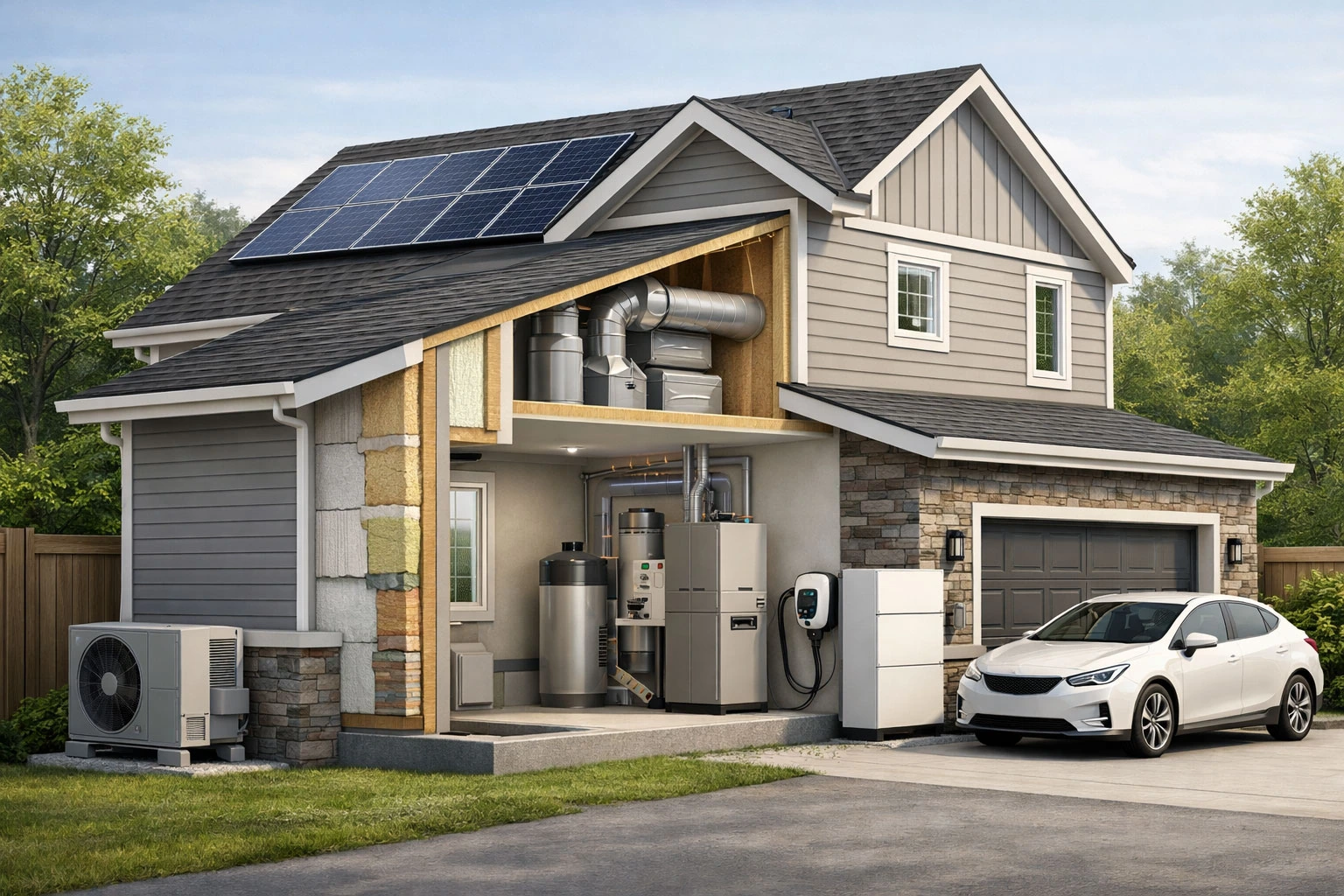
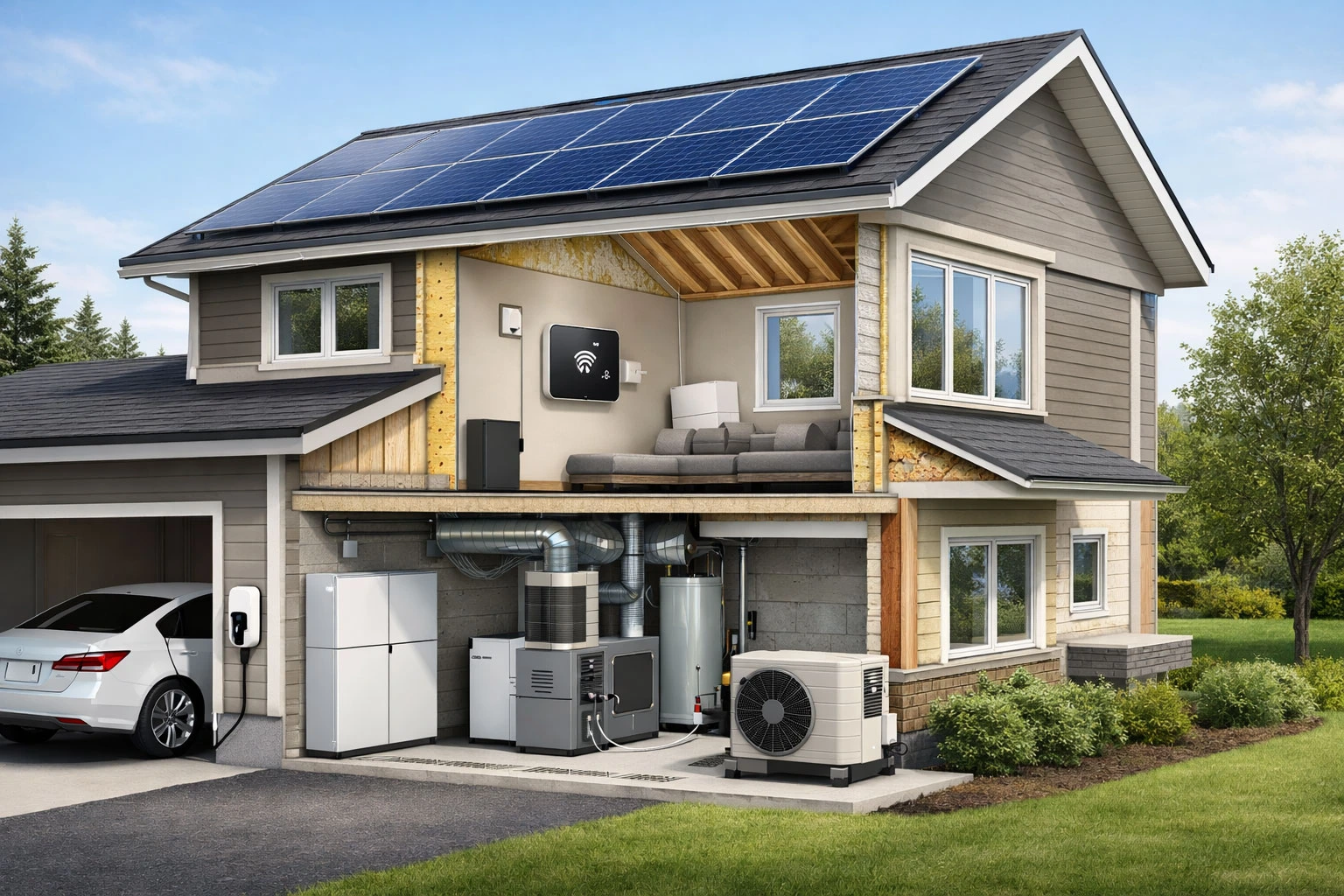
How Smart Thermostats Fit into a Net Zero Home Strategy
Smart thermostats play a small but important role in a Net Zero energy roadmap.
They do not reduce heating demand directly, but they optimize how energy systems operate.
In a typical Net Zero transition, smart thermostats support:
Heat pump performance optimization
Demand management during peak energy periods
Integration with solar energy systems
Whole-home energy monitoring
When combined with insulation, air sealing, and high-efficiency heating systems, smart thermostats help create a more responsive and efficient home.
Conclusion
For many households, the smart thermostat installation cost in Ontario falls between $300 and $700, depending on the device and installation requirements.
While the upgrade may seem small compared with larger energy retrofits, it can deliver meaningful benefits:
Lower heating bills
Improved temperature consistency
Greater control over HVAC systems
Integration with modern home energy technology
When installed correctly and used effectively, smart thermostats offer a practical step toward a more efficient and comfortable home.
Book a Home Energy Consultation
If you’re considering a smart thermostat or planning broader home energy upgrades, expert guidance can help you prioritize the right improvements.
Book a consultation with Net Zero Homes Consulting to receive a customized home upgrade roadmap designed to improve comfort, reduce energy costs, and move your home closer to Net Zero performance.