

When the Heat Suddenly Stops
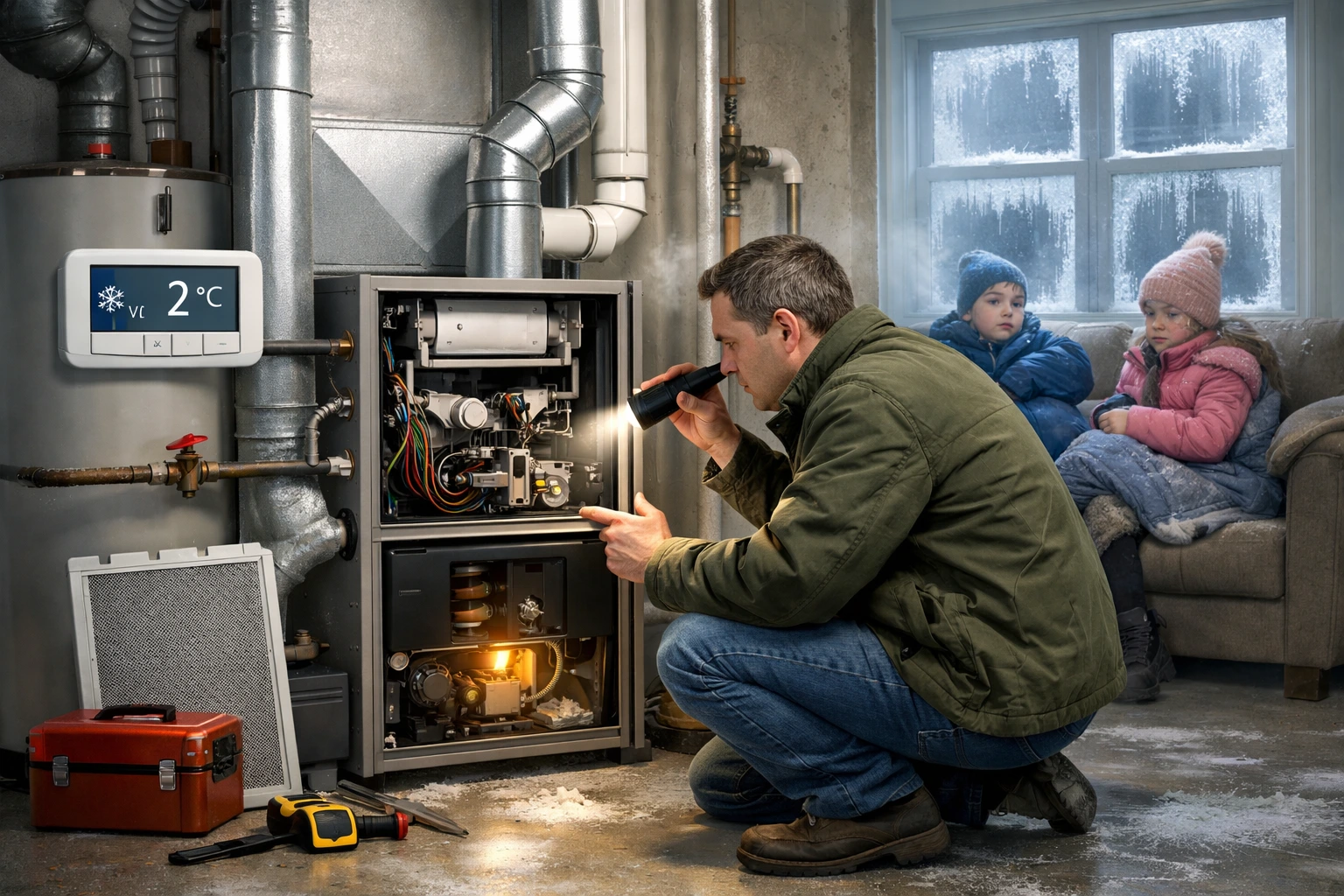
It’s a typical winter night in Ontario. The temperature drops below -15°C, the house is quiet, and then you notice something is off. The air feels colder. You check the thermostat set to 21°C but the furnace isn’t running. Maybe it tried to start and shut off. Maybe it’s completely silent.
For many homeowners, this moment brings stress and confusion. Do you call a technician immediately? Is it something simple you can fix yourself? And most importantly how do you get the heat back on quickly and safely?
This guide walks you through what you can and cannot do when your furnace breaks down, especially in a Canadian context where safety regulations, fuel types, and extreme winters matter.
Understanding What Might Be Happening
Before jumping into fixes, it helps to understand that a furnace rarely “just breaks.” In most cases, it’s one of three things:
- A minor issue (dirty filter, thermostat problem)
- A safety shutdown (triggered by sensors detecting a problem)
- A mechanical or electrical failure
Modern gas furnaces are designed to shut themselves off when something isn’t right. That’s a good thing it prevents dangerous situations like carbon monoxide leaks or overheating.
What Homeowners in Ontario Can Legally and Safely Do
In Ontario and across Canada, gas appliances are regulated for safety. Under authorities like the Technical Standards and Safety Authority (TSSA), homeowners are not allowed to perform gas line work, burner adjustments, or internal combustion repairs unless licensed.
What You Can Do:
- Change or inspect the air filter
- Check thermostat settings and batteries
- Reset the furnace (power cycle)
- Ensure vents and air intakes are clear
- Inspect visible components (without opening sealed compartments)
What You Should NOT Do:
- Open the gas valve or adjust gas pressure
- Disassemble burner assemblies
- Bypass safety switches
- Attempt electrical rewiring inside the unit
If the issue goes beyond basic checks, it’s time to call a licensed HVAC technician.
Step-by-Step: What to Check First
If your furnace stops working, follow this structured approach before calling for help.
1. Check the Thermostat
- Is it set to “Heat”?
- Is the temperature set higher than room temperature?
- Are the batteries dead?
Sometimes the issue is as simple as a thermostat glitch.
2. Inspect the Air Filter
A clogged filter restricts airflow and can cause the furnace to overheat and shut down.
- Replace if dirty (typically every 1–3 months in winter)
- Use the correct size and rating
3. Check the Breaker Panel
- Look for a tripped breaker
- Reset it once if needed
If it trips again, stop this indicates an electrical issue.
4. Ensure the Furnace Switch Is On
Many furnaces have a nearby power switch that looks like a light switch. It may have been accidentally turned off.
5. Look at the Furnace LED Code
Most modern furnaces display error codes using blinking lights.
- Open the front panel (non-sealed section only)
- Match the blinking pattern to the code chart
This can give you a clue about what’s wrong.
6. Check Vents and Intake Pipes
In Canadian winters, snow and ice can block:
- Exhaust vents
- Air intake pipes
Clear any visible obstructions safely.
Cost Considerations in Ontario
Furnace repair costs vary depending on the issue, but here’s a realistic breakdown:
Typical Repair Costs
- Service call: $100–$180
- Ignitor replacement: $250–$500
- Blower motor repair: $400–$900
- Control board replacement: $500–$1,200
Emergency (After-Hours) Calls
- Can range from $200–$400 just for diagnostics
Replacement Costs
If your furnace is beyond repair:
- New high-efficiency furnace: $4,500–$9,000
- Cold-climate heat pump (with rebates): $8,000–$18,000
Government programs like the Canada Greener Homes initiative may offset upgrade costs.
Health and Safety: What You Must Take Seriously
A broken furnace isn’t just inconvenient it can be dangerous.
Watch for These Warning Signs:
- Smell of gas
- Burning or electrical smells
- Frequent short cycling
- Yellow instead of blue flame
- Headaches or dizziness (possible carbon monoxide)
If you suspect a gas leak or carbon monoxide:
- Leave the house immediately
- Call emergency services or your gas provider
- Do not attempt repairs
Every home should have a working carbon monoxide detector this is non-negotiable.
Top 10 Reasons Why Furnaces Break Down
Understanding root causes helps prevent future issues.
- Dirty or clogged air filters
- Thermostat malfunction
- Ignition system failure
- Blower motor issues
- Lack of maintenance
- Faulty limit switch
- Blocked vents or flues
- Electrical problems
- Aging components
- Improper installation
In Ontario homes, lack of annual maintenance is one of the biggest contributors to breakdowns during peak winter.
Common Mistakes Homeowners Make
Even well-intentioned homeowners can make problems worse.
Avoid These:
- Ignoring small warning signs
- Repeatedly resetting the furnace
- Installing the wrong filter type
- Blocking vents with furniture
- Skipping annual maintenance
- Attempting DIY gas repairs
A common example: A homeowner keeps resetting the furnace after it shuts off. The real issue is overheating due to airflow restriction. Repeated resets can damage internal components and increase repair costs.
When DIY Makes Sense and When It Doesn’t
DIY Makes Sense If:
- The issue is clearly minor (filter, thermostat, breaker)
- There are no unusual smells or sounds
- The furnace restarts and runs normally after a simple fix
DIY Does NOT Make Sense If:
- The furnace repeatedly shuts down
- You see error codes you don’t understand
- There are signs of gas or electrical issues
- The unit is older (15+ years)
- The repair involves internal components
In these cases, calling a professional is not just safer it’s often cheaper in the long run.
Step-by-Step Decision Guide
When your furnace breaks down, follow this simple path:
- Check thermostat and power
- Inspect filter and airflow
- Look for visible issues (vents, switches)
- Restart furnace once
- If problem persists → stop troubleshooting
- Call a licensed HVAC technician
If repairs are frequent or costly, start considering an upgrade instead of repeated fixes.
Thinking Beyond the Repair: Efficiency and Upgrades
A breakdown can be an opportunity to rethink your home’s energy system.
Older furnaces:
- Operate at 60–80% efficiency
- Lose significant heat
- Increase monthly energy bills
Modern systems:
- High-efficiency furnaces (90–98% AFUE)
- Heat pumps for electrification
- Smart thermostats for control
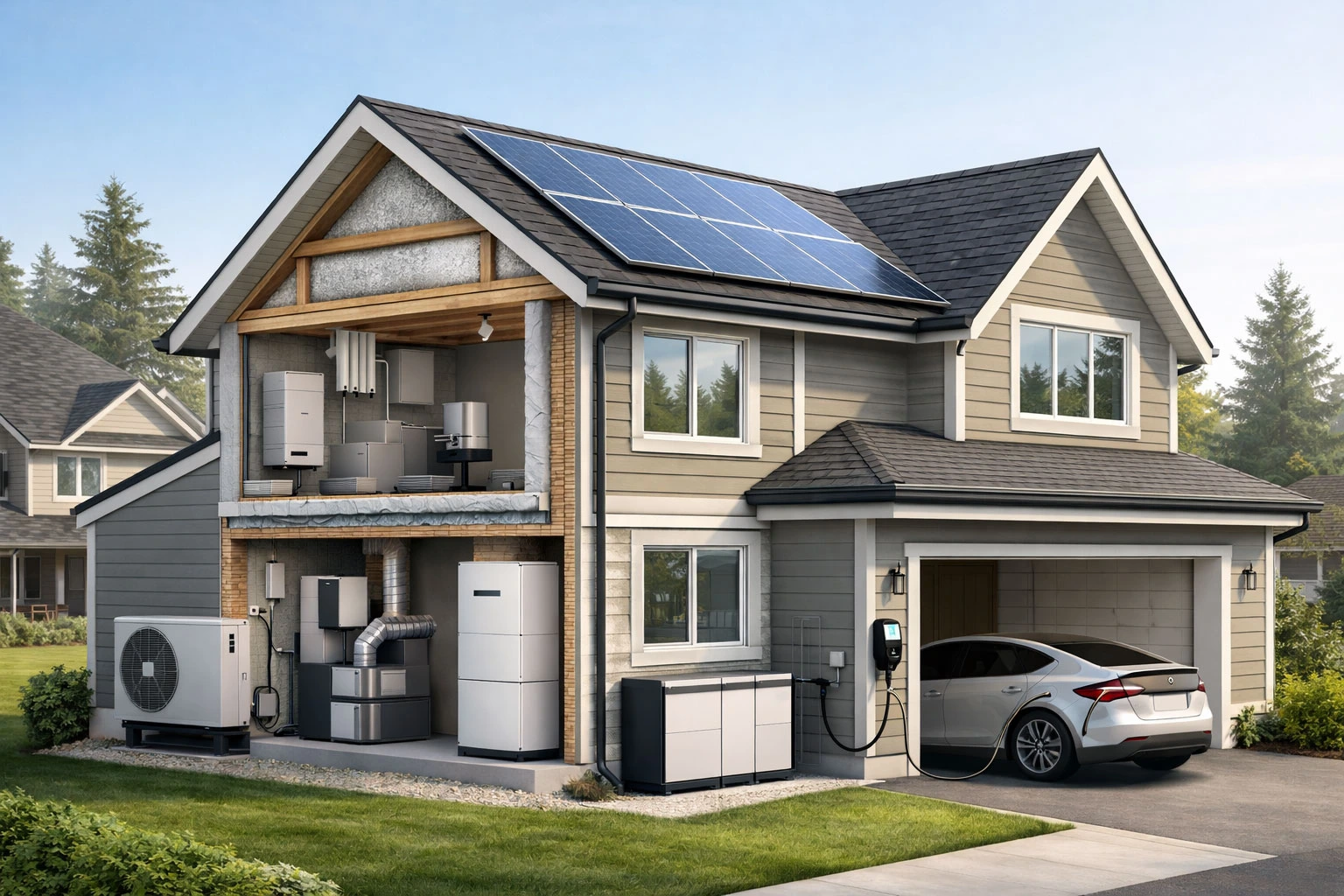
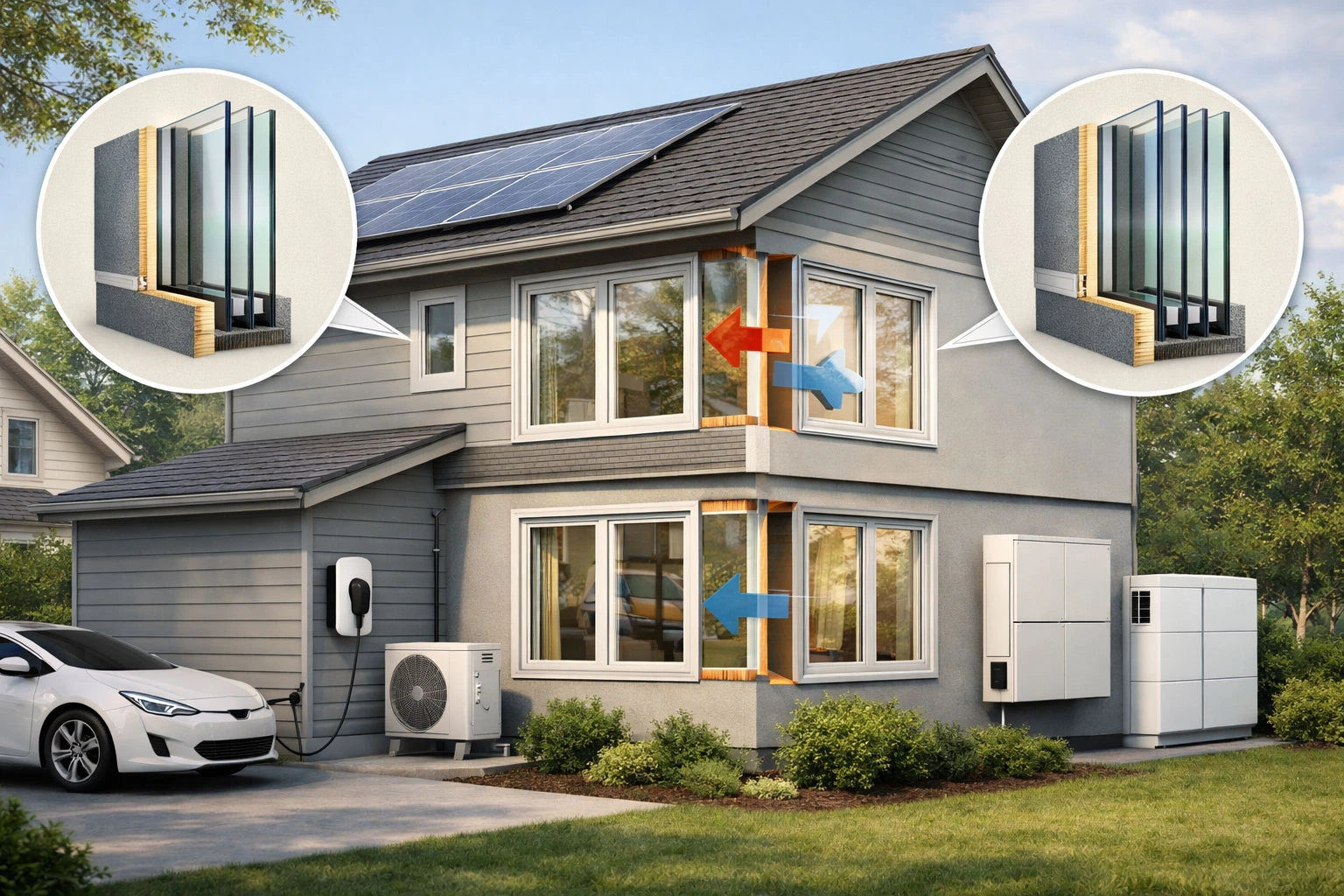
In many Ontario homes, upgrading insulation, sealing air leaks, and optimizing HVAC systems can reduce heating costs significantly not just fix the immediate problem.
Real Homeowner Example
A homeowner in Ottawa experienced repeated furnace shutdowns during January. They replaced the filter, reset the system, and it worked for a few days.
The real issue? Poor attic insulation and air leakage caused the furnace to overwork and overheat.
Instead of spending $800 on repeated repairs, they invested in:
- Air sealing
- Attic insulation upgrade
- System optimization
Result: Lower bills, consistent comfort, and reduced strain on the heating system.
Conclusion: Fix the Problem, Not Just the Symptom
A furnace breakdown is frustrating, especially in a Canadian winter. While some issues can be resolved quickly, many are signs of deeper inefficiencies in the home.
Knowing what you can safely fix and when to call a professional protects your home, your wallet, and your safety.
More importantly, recurring furnace issues often point to a bigger opportunity: improving your home’s overall energy performance.
Book a Consultation
If your furnace has broken down or keeps breaking down it may be time to look beyond repairs.
Book a consultation with Net Zero Homes Consulting to get a customized upgrade roadmap. We’ll help you identify the root causes, prioritize improvements, and create a plan to reduce energy costs while improving comfort year-round.