
Introduction: When “More” Doesn’t Mean “Better”
Imagine this: it’s the middle of a cold Ontario winter. You’ve just invested in a brand-new heat pump, expecting quiet comfort and lower energy bills. But instead, your home feels uneven too warm in some rooms, chilly in others. The system turns on and off constantly. Your energy bill? Higher than expected.
What went wrong?
In many cases, the issue isn’t the technology it’s the sizing. A common misconception among homeowners is that a bigger heat pump will deliver better performance. In reality, oversizing is one of the most frequent and costly mistakes in home comfort upgrades.
If you’re considering a heat pump or already evaluating quotes understanding proper sizing can save you thousands of dollars and years of frustration.
What Does “Heat Pump Sizing” Actually Mean?
Heat pump sizing refers to matching the system’s heating and cooling capacity to your home’s actual energy needs. This is typically measured in BTUs (British Thermal Units) or tons.
A properly sized system is designed to:
- Maintain consistent indoor temperatures
- Run efficiently for longer cycles
- Minimize energy consumption
- Maximize equipment lifespan
Sizing is not based on guesswork. It requires a detailed load calculation (often called a Manual J calculation) that considers:
- Home size and layout
- Insulation levels
- Window type and placement
- Air leakage
- Climate zone (critical in Ontario)
- Occupancy and usage patterns
Skipping this step often leads to oversizing and that’s where problems begin.
Why Bigger Is Not Better
At first glance, a larger heat pump seems like a safe bet. More power should mean better heating, right? Not quite.
1. Short Cycling Reduces Efficiency
Oversized systems heat or cool your home too quickly, then shut off. This “short cycling” prevents the system from reaching optimal efficiency.
Instead of steady, efficient operation, the unit constantly starts and stops wasting energy each time.
2. Poor Comfort and Temperature Swings
A system that’s too large doesn’t run long enough to evenly distribute air throughout your home. The result:
- Hot and cold spots
- Inconsistent room temperatures
- Drafty or uncomfortable spaces
3. Higher Upfront Costs
Bigger units cost more to purchase and install. You’re paying extra for capacity you don’t need and won’t effectively use.
4. Increased Wear and Tear
Frequent cycling puts stress on components like compressors and fans, leading to:
- More maintenance
- Shorter system lifespan
- Higher long-term costs
5. Humidity Control Issues
While this is more noticeable in cooling mode, oversized systems don’t run long enough to properly remove humidity. In summer, that can mean a home that feels damp and uncomfortable.
Cost Considerations in Ontario
In Ontario, heat pump installation costs can vary widely depending on system size, home complexity, and whether additional upgrades are needed (like electrical work or duct modifications).
Oversizing affects costs in two key ways:
Upfront Costs
- Larger systems = higher equipment cost
- Potential need for upgraded electrical panels
- Increased installation complexity
Operating Costs
- More energy used due to inefficient cycling
- Reduced eligibility for optimal rebate performance (systems must be properly sized to qualify and perform as intended)
In many cases, homeowners spend more upfront and more over time without seeing the comfort or savings they expected.
Energy Savings and ROI: The Role of Proper Sizing
A correctly sized heat pump is essential for achieving real energy savings.
With Proper Sizing:
- The system runs longer, more efficient cycles
- Energy consumption is minimized
- Heating performance is optimized even in cold climates
- You get closer to predicted ROI timelines
With Oversizing:
- Efficiency drops significantly
- Savings are reduced or eliminated
- Payback periods stretch longer
For homeowners in Ontario, where winters are cold and energy costs are rising, sizing is directly tied to your return on investment.
Common Mistakes Homeowners Make
Many homeowners unknowingly contribute to oversizing. Here are the most common pitfalls:
1. Choosing Based on Square Footage Alone
Rules of thumb like “1 ton per X square feet” ignore critical variables like insulation and air leakage.
2. Replacing “Like-for-Like”
If your old furnace or AC was oversized (which is common), replacing it with a similar size continues the problem.
3. Assuming Bigger = Future-Proof
Some homeowners think a larger system will handle future renovations. In reality, it often creates inefficiencies today.
4. Skipping the Load Calculation
If a contractor doesn’t perform a proper heat load analysis, that’s a red flag.
5. Not Considering Envelope Improvements
Upgrades like insulation and air sealing can significantly reduce your heating needs meaning you may need a smaller system than expected.
Step-by-Step: How to Get the Right Size Heat Pump
If you want to avoid costly mistakes, follow this practical process:
Step 1: Start with a Home Energy Assessment
Before choosing equipment, understand your home’s current performance.
Step 2: Request a Detailed Load Calculation
Ensure your contractor performs a proper Manual J or equivalent calculation.
Step 3: Evaluate Building Envelope First
Consider improvements such as:
- Attic and wall insulation
- Air sealing
- Window upgrades
These can reduce system size requirements and improve comfort.
Step 4: Compare Multiple Quotes
Look beyond price. Ask:
- How was the system sized?
- What assumptions were used?
- Is the system optimized for cold climate performance?
Step 5: Prioritize Modulating Systems
Modern variable-speed heat pumps can adjust output dynamically, improving comfort and efficiency especially when properly sized.
Step 6: Plan for Integration
Ensure your system works with:
- Existing ductwork
- Backup heating (if needed)
- Smart thermostats or zoning systems
Rebates and Incentives in Ontario and Canada
Heat pump adoption is supported by various federal and provincial programs aimed at improving energy efficiency and reducing emissions.
While specific amounts change over time, key points to understand:
- Rebates often require a pre- and post-installation energy audit
- Proper sizing and installation are critical for eligibility
- Additional incentives may apply for insulation and air sealing upgrades
Working with a knowledgeable advisor ensures you maximize available incentives while designing a system that actually performs as intended.
When a Heat Pump Upgrade Makes Sense and When It Doesn’t
It Makes Sense If:
- Your current heating system is aging or inefficient
- You’re planning energy efficiency upgrades
- You want to reduce reliance on fossil fuels
- You’re aiming for long-term energy savings
It May Not Make Sense If:
- Your home has major insulation or air leakage issues that haven’t been addressed
- Electrical capacity is limited and upgrades are not feasible
- You’re expecting instant savings without optimizing the home first
Heat pumps work best as part of a system not a standalone fix.
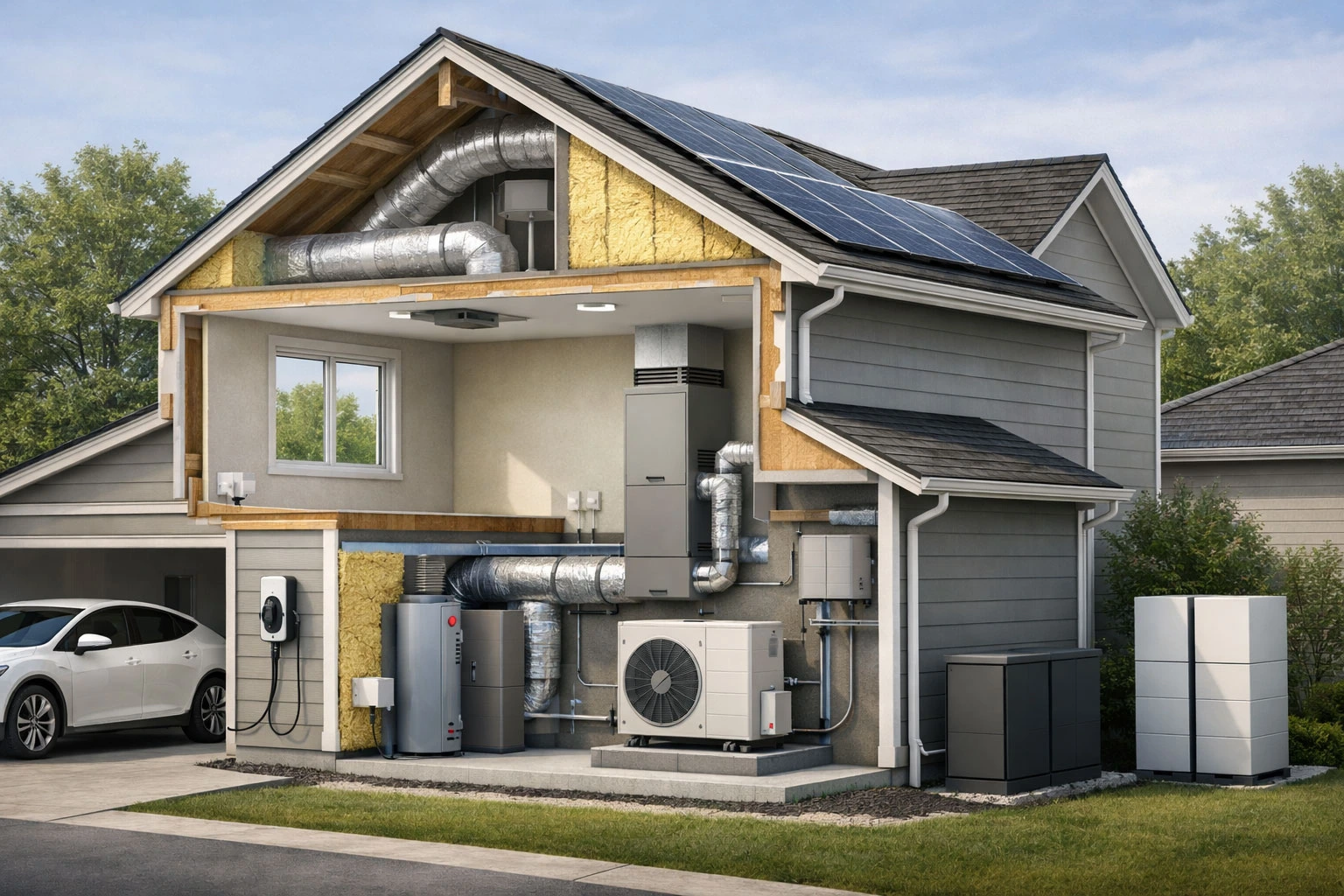
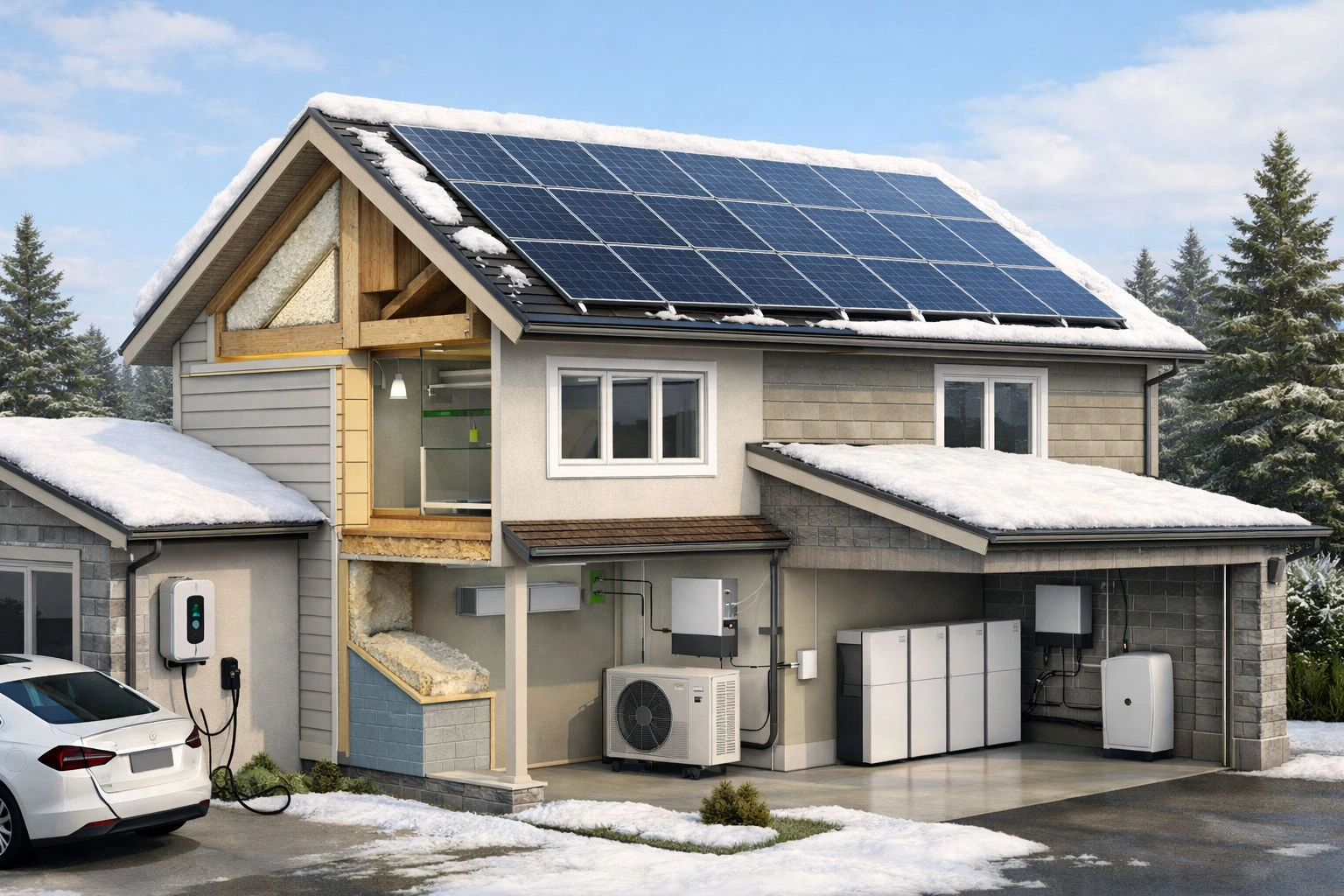
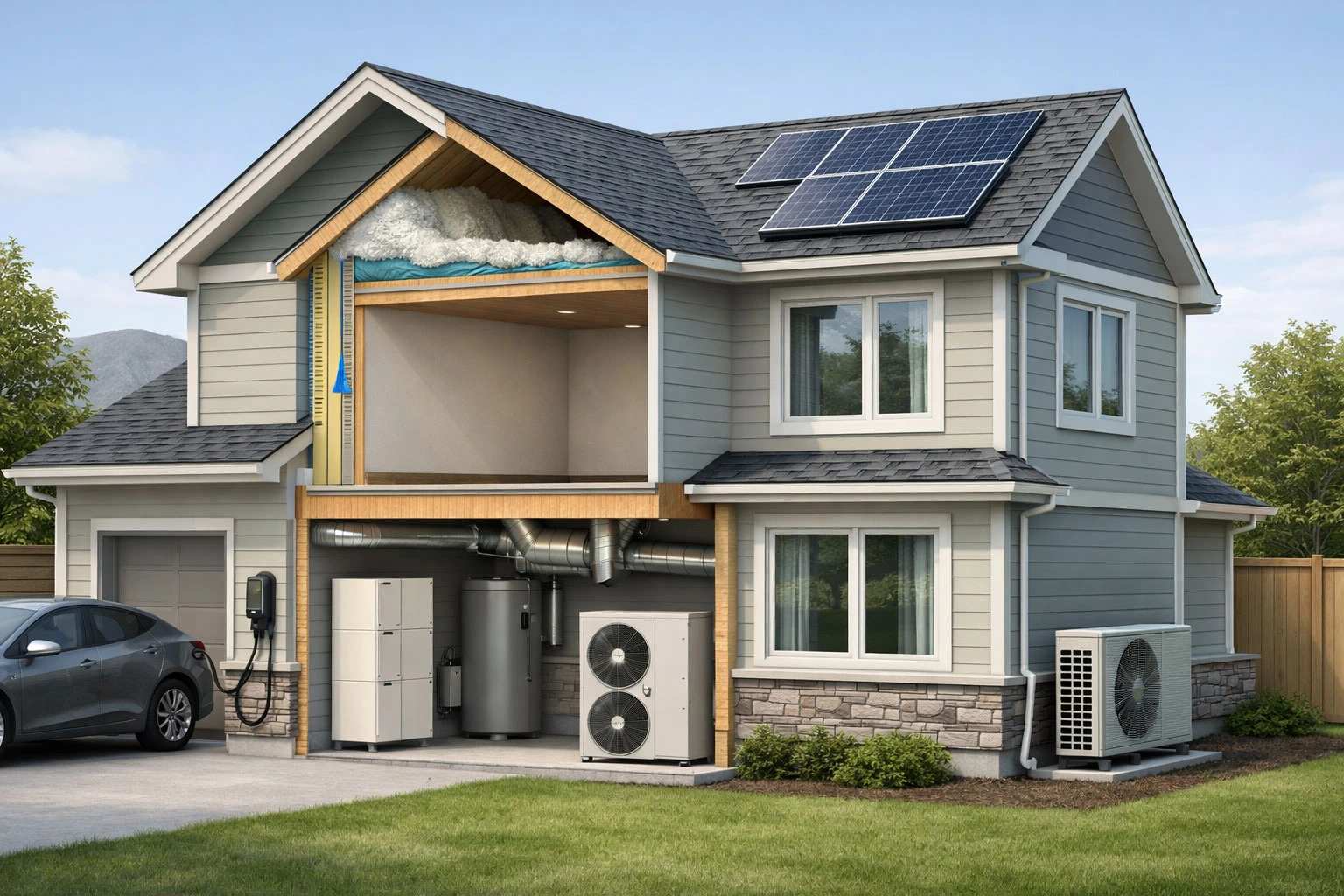
How Proper Sizing Fits Into a Net Zero Roadmap
If your long-term goal is a Net Zero home, sizing becomes even more critical.
An oversized heat pump can:
- Increase electricity demand unnecessarily
- Complicate solar panel system sizing
- Reduce overall system efficiency
A properly sized system, on the other hand:
- Aligns with reduced energy demand after envelope upgrades
- Works efficiently with solar and battery systems
- Supports long-term decarbonization goals
Think of your home as an integrated system. Every upgrade should support the next.
Conclusion: Precision Over Power
When it comes to heat pumps, more capacity doesn’t mean more comfort or more savings. In fact, it often leads to the opposite.
The key is precision.
A properly sized heat pump delivers:
- Consistent comfort
- Lower energy bills
- Longer equipment life
- Better return on investment
If you’re planning an upgrade, take the time to get it right. The difference between a well-sized system and an oversized one isn’t just technical it’s something you’ll feel every day in your home.
Book a Consultation
If you’re unsure where to start or want a clear, customized upgrade plan, consider speaking with an expert.
Book a consultation with Net Zero Homes Consulting to get a personalized roadmap that aligns your heat pump sizing, energy efficiency upgrades, and long-term Net Zero goals.