
The Moment Many Ontario Homeowners Are Facing
It often starts during a cold January evening.
Your furnace kicks on again. The heating bill from last month is still sitting on the counter. Maybe the system is 15–20 years old, noisy, and increasingly unreliable. You start hearing more about heat pumps from neighbors, contractors, or energy-efficiency programs.
Then the big question appears:
How much does a heat pump cost in Ontario?
The answers online can feel confusing. Some quotes mention a few thousand dollars, while others climb well into five figures. Rebates are mentioned, but rarely explained clearly.
For homeowners trying to reduce energy bills and future-proof their homes, understanding the real heat pump cost in Ontario in 2026 requires looking at several factors: the system itself, installation complexity, rebates, and long-term energy savings.
This guide breaks it all down in practical terms.
What a Heat Pump Actually Does
Before discussing price, it’s helpful to understand what a heat pump is.
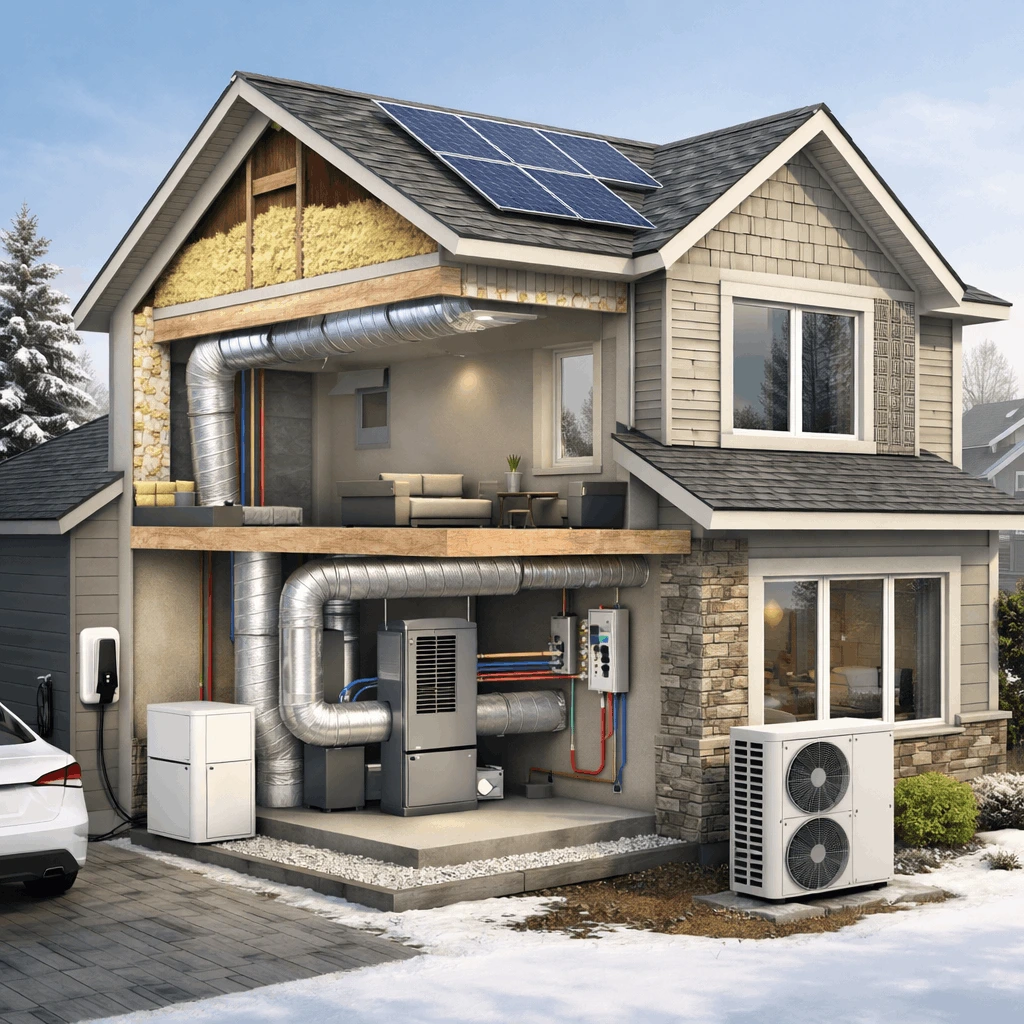
A heat pump does not generate heat the way a furnace does. Instead, it moves heat from one place to another using refrigeration technology.
In winter:
It extracts heat from outdoor air (even in cold temperatures)
Compresses it
Delivers that heat indoors
In summer:
The process reverses
It works like an air conditioner by moving heat out of the house
This means one system can provide:
Heating
Cooling
Dehumidification
Improved comfort
Modern cold climate heat pumps are specifically designed to operate efficiently in Canadian winters, including temperatures well below freezing.
Heat Pump Cost in Ontario (2026)
The heat pump price in Ontario depends heavily on the type of system and the complexity of the home.
Typical Installed Cost Ranges
| System Type | Typical Cost Installed |
|---|---|
| Ductless mini-split (1 zone) | $4,500 – $8,000 |
| Multi-zone ductless system | $8,000 – $18,000 |
| Central ducted heat pump | $12,000 – $22,000 |
| Cold climate heat pump with electrical upgrades | $18,000 – $30,000+ |
These ranges reflect typical Ontario installations in 2026, including equipment and labor.
However, several factors influence where your home will land within that range.
What Drives Heat Pump Installation Costs
1. Size of the Home
Larger homes require higher capacity systems.
A small bungalow may need:
2–3 ton system
A large detached house may require:
4–5 ton system
Multiple indoor units
System size directly affects cost.
2. Ductwork Condition
Homes with existing ducts often install central heat pumps more easily.
But issues like these can increase cost:
Leaky ducts
Undersized ducts
Poor airflow
Basement or attic access problems
Sometimes upgrades are needed before installing the system.
3. Electrical Panel Capacity
Many Ontario homes still operate on 100-amp electrical service.
Heat pumps sometimes require:
Electrical panel upgrades
New breakers
Additional circuits
If the panel must be upgraded to 200 amps, this can add several thousand dollars.
4. Cold Climate Equipment
Not all heat pumps are equal.
Ontario winters require cold climate rated systems that can maintain heating output at low temperatures.
These systems typically cost more but provide:
Better winter performance
Higher efficiency
Less reliance on backup heating
This is a key factor affecting the cold climate heat pump price.
5. Installation Complexity
Other variables include:
Distance between indoor and outdoor units
Wall drilling or structural changes
Mounting brackets or stands
Line set routing
Noise placement considerations
A straightforward installation may take a day. Complex installations can take several.
Heat Pump Rebates in Ontario
To encourage electrification and energy efficiency, heat pump rebates in Ontario are available through federal and provincial programs.
These programs change periodically, but they generally support:
Cold climate heat pump installations
Home energy retrofits
Whole-home efficiency upgrades
Typical rebate programs require:
Home energy assessment
Installation by qualified contractors
Submission of documentation
Rather than focusing on specific amounts (which change frequently), homeowners should view rebates as partial cost offsets, not full funding.
Consulting with an energy advisor early can help maximize available incentives.
Energy Savings and Return on Investment
The financial benefit of a heat pump depends on the home’s current heating system.
Homes Currently Using Electric Baseboard
These homes often see the largest savings.
Heat pumps can be 2–4 times more efficient than baseboard heaters.
Example:
Previous heating cost: $2,500/year
Heat pump heating cost: $900–$1,300/year
Savings can be substantial.
Homes Using Natural Gas
Savings may be smaller because natural gas remains relatively affordable in Ontario.
However, heat pumps still provide value through:
Air conditioning included
Reduced emissions
Stable long-term energy costs
Homes Using Oil or Propane
These homes often see significant savings after switching.
Oil and propane are among the most expensive heating fuels.
A heat pump can dramatically lower annual operating costs.
Common Mistakes Homeowners Make
Many homeowners rush into heat pump installations without proper planning.
Here are some frequent mistakes.
Choosing the Cheapest Quote
Low bids often mean:
Undersized systems
Poor cold weather performance
Inexperienced installers
Quality installation matters more than brand.
Ignoring Home Efficiency First
Installing a heat pump in a poorly sealed home reduces performance.
Before upgrading HVAC, consider:
Air sealing
Insulation improvements
Window upgrades
These steps often reduce the required system size.
Not Considering Backup Heating
Ontario winters can still require supplemental heat during extreme cold.
Many systems include:
Electric backup elements
Hybrid setups with existing furnaces
Understanding this balance is important.
Step-by-Step Decision Guide
If you’re considering a heat pump, follow a structured approach.
Step 1: Assess Your Current System
Ask:
How old is the furnace or AC?
Are repairs increasing?
Is comfort uneven across rooms?
If equipment is aging, replacement may be timely.
Step 2: Improve the Building Envelope
Before upgrading HVAC, evaluate:
Attic insulation
Basement air leaks
Drafty windows
Reducing heat loss lowers system size requirements.
Step 3: Get an Energy Assessment
Professional assessments help determine:
Heat load calculations
Best system type
Available rebate programs
This step prevents overspending.
Step 4: Compare System Types
Your options may include:
Ductless mini-splits
Ducted central heat pumps
Hybrid systems with existing furnaces
Each has advantages depending on the home layout.
Step 5: Evaluate Long-Term Costs
Instead of focusing only on installation price, consider:
Operating cost
Maintenance
Energy savings
Comfort improvements
The lowest upfront price is not always the best investment.
When a Heat Pump Makes the Most Sense
Heat pumps work best in several scenarios.
Ideal Situations
Homes currently using electric baseboards
Homes replacing oil or propane heating
Houses needing both heating and cooling
Renovations or major energy upgrades
Electrification and carbon reduction goals
In these cases, the heat pump cost in Ontario often delivers strong long-term value.
When a Heat Pump May Not Be the Best Choice
There are also cases where homeowners should proceed cautiously.
Potential Challenges
Very old homes with poor insulation
Homes with extremely limited electrical capacity
Situations where gas heating costs are already very low
Homes needing extensive ductwork reconstruction
In these cases, energy improvements may need to happen first.
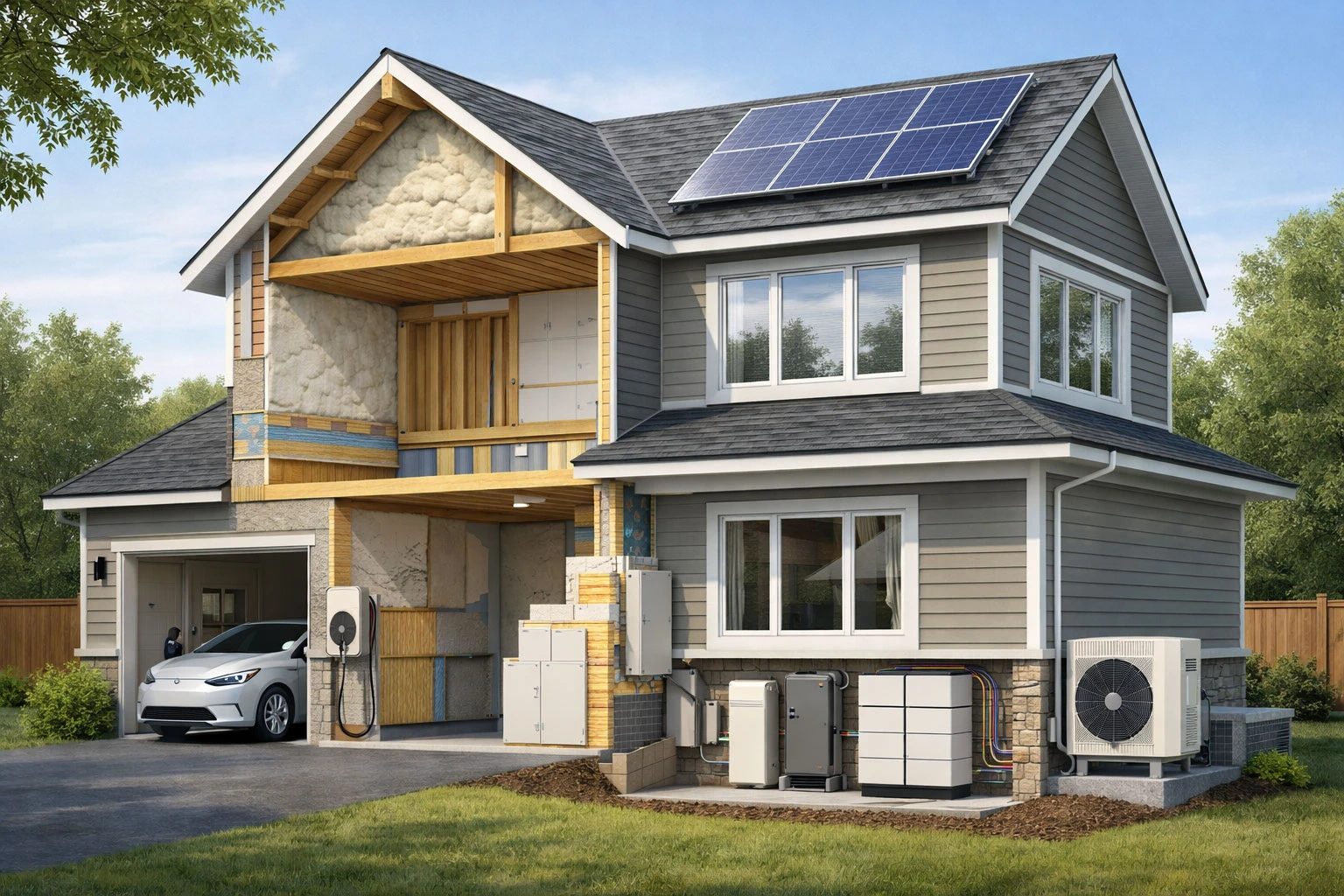
How Heat Pumps Fit Into a Net Zero Roadmap
For homeowners thinking long-term, heat pumps play a central role in Net Zero homes.
A typical upgrade roadmap may look like this:
Air sealing improvements
Attic insulation upgrades
High-performance windows
Cold climate heat pump installation
Solar panel system
Home battery or EV charger integration
Electrifying heating is often one of the biggest steps toward reducing household emissions.
Heat pumps also integrate well with renewable energy systems, making them a key technology in future-ready homes.
Conclusion
The heat pump cost in Ontario in 2026 varies widely depending on system type, installation complexity, and the condition of the home.
Most homeowners can expect installed costs ranging from $8,000 to $22,000 or more, with cold climate systems at the higher end. Rebates can reduce some of that cost, but the real value comes from improved efficiency, comfort, and long-term energy stability.
The key is not rushing the decision.
Understanding your home’s energy performance, planning upgrades strategically, and choosing the right system can make a significant difference in both cost and results.
Book a Consultation
If you’re considering a heat pump or planning a broader home efficiency upgrade, Net Zero Homes Consulting can help.
Our team provides customized home upgrade roadmaps, helping homeowners prioritize improvements, understand available rebates, and choose systems that make sense for their homes and budgets.
Book a consultation today to explore the smartest path toward a more efficient, comfortable, and future-ready home.