
Introduction: “Why Is My House So Drafty?”
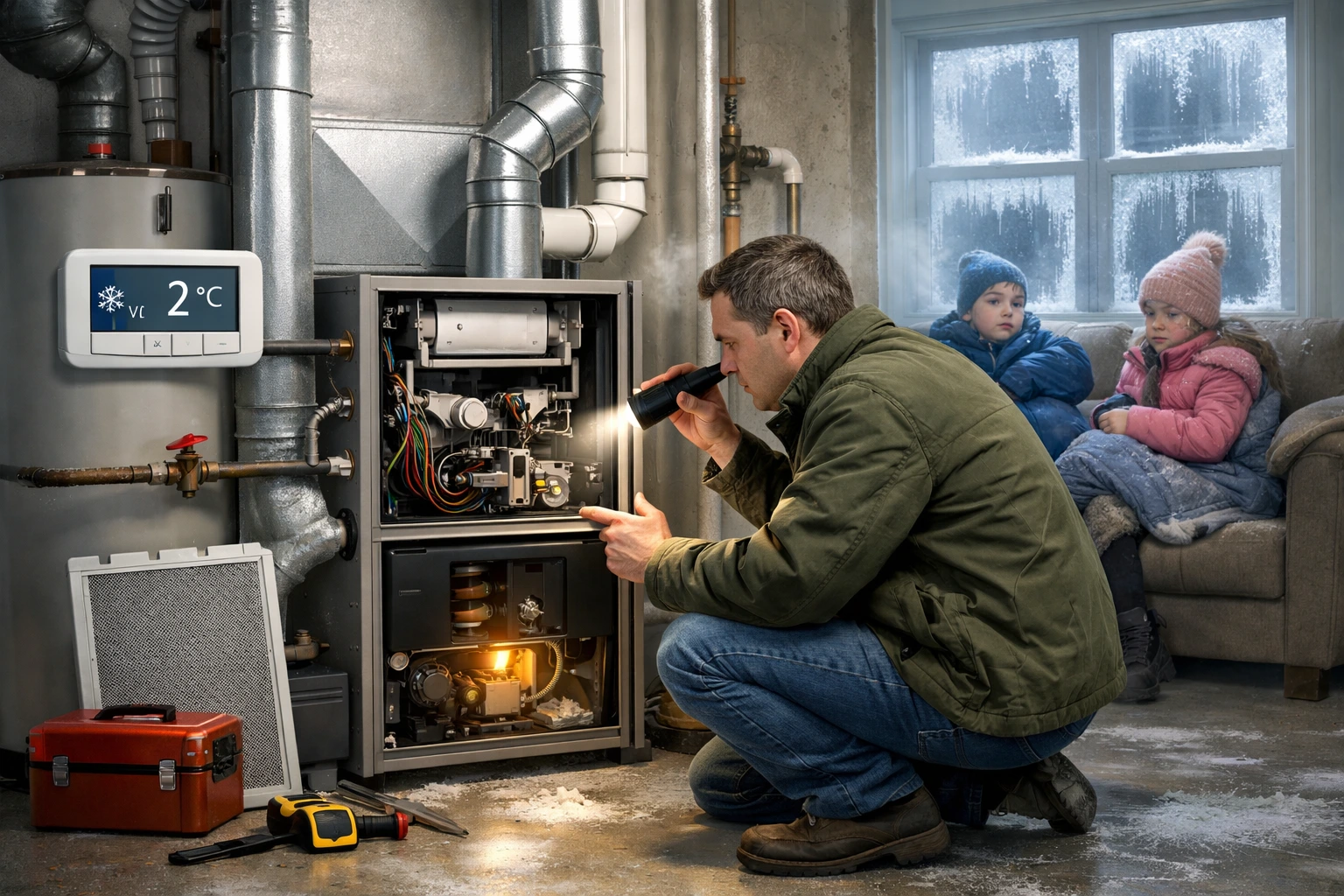
It’s February in Ontario. The furnace is running constantly. One room feels cold no matter how high you set the thermostat. Upstairs is dry and uncomfortable. The hydro bill arrives and it’s higher than expected—again.
You’ve added insulation. You’ve upgraded windows. But something still isn’t right.
In many homes, the real issue isn’t visible. It’s air leakage.
That’s where a blower door test comes in. Before investing in major upgrades, understanding how much air your home leaks and where can prevent wasted money and help you make smarter decisions.
If you’re researching blower door test cost in Ontario, here’s what you should realistically expect, how it fits into a broader energy plan, and whether it’s worth it for your home.
What Is a Blower Door Test?
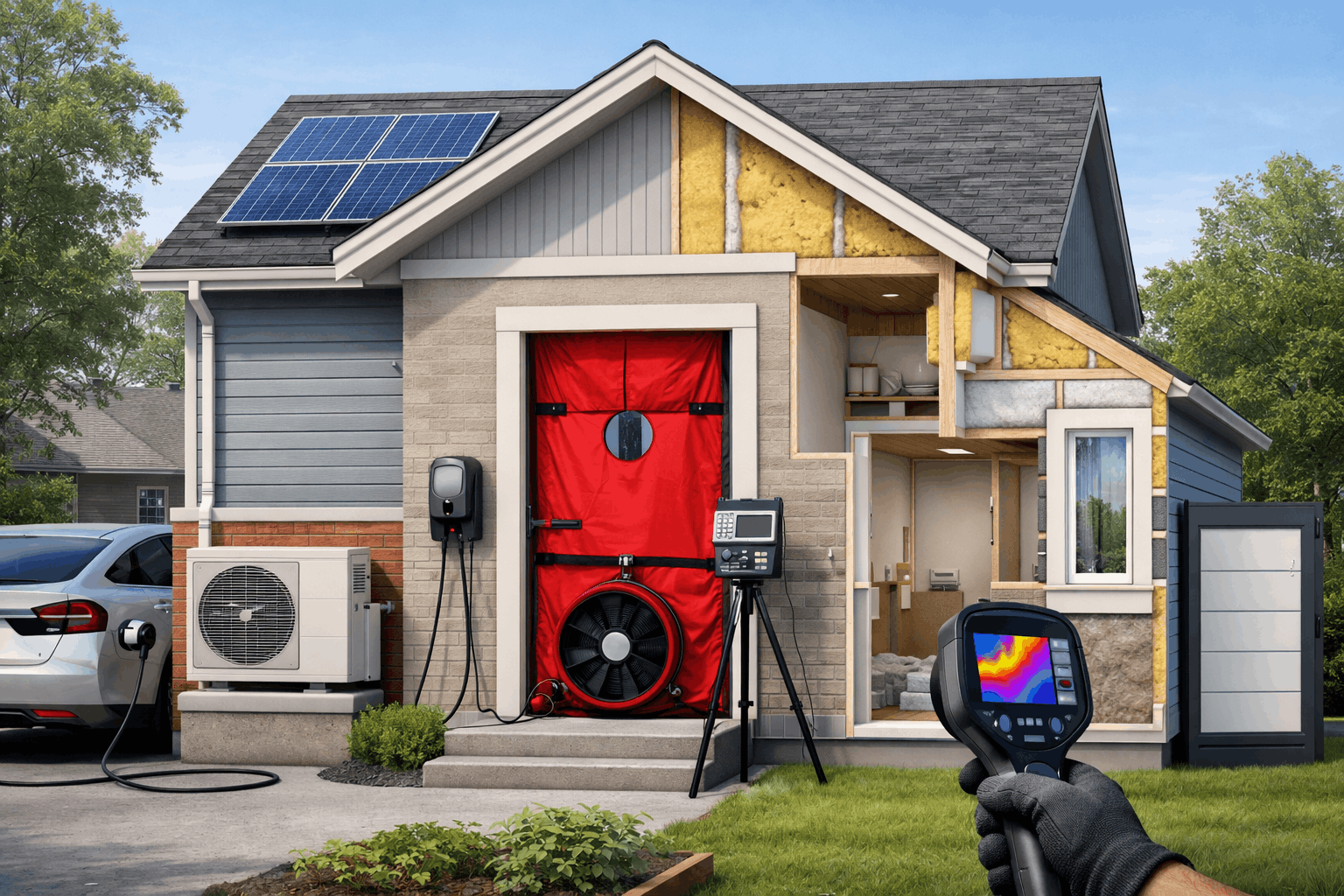
A blower door test is a diagnostic procedure that measures how airtight your home is.
During the test:
A powerful calibrated fan is temporarily installed in an exterior doorway.
The fan depressurizes the house.
Sensors measure how much air is pulled through cracks and gaps.
Technicians use tools like smoke pencils or infrared cameras to locate leakage points.
The result is typically reported as ACH50 (Air Changes per Hour at 50 Pascals) a standardized measurement used across Canada and internationally.
Why Airtightness Matters in Canada
In Ontario’s climate, uncontrolled air leakage leads to:
Higher heating and cooling costs
Cold drafts
Moisture problems and condensation
Ice dam formation
Reduced comfort
Shorter HVAC equipment lifespan
In newer homes built to modern code or aiming for Net Zero performance air leakage testing in Canada is often required to verify performance.
Blower Door Test Cost Ontario: What Homeowners Typically Pay
The cost depends on what you’re testing and why.
1. Standalone Blower Door Test
If you’re hiring a certified energy advisor just for air leakage testing, typical pricing in Ontario ranges between:
$300–$600 for most detached homes
Higher for large or complex properties
Factors influencing price:
Square footage
Home age
Accessibility
Whether infrared scanning is included
Location (urban vs rural travel time)
2. Blower Door Test as Part of a Home Energy Audit
Most homeowners encounter blower door testing during a full energy assessment.
A typical home energy audit price in Ontario ranges from:
$400–$700 before rebates
When bundled, the blower door test is included as part of the complete evaluation.
In many cases, rebate programs require both a pre- and post-retrofit test to verify improvements.
What Do You Actually Get for That Cost?
Beyond a number on paper, you gain:
A measurable airtightness score
Identification of major leakage points
Prioritized air sealing recommendations
Baseline data for rebate qualification
A roadmap for insulation or HVAC upgrades
Without testing, homeowners often guess where to invest. With testing, you have data.
Energy Savings and Return on Investment
Air leakage can account for 25–40% of heat loss in older Canadian homes.
That doesn’t mean sealing every crack will reduce bills by 40%. But targeted air sealing typically produces noticeable improvements.
Realistic Outcomes
For a typical 1980s Ontario home:
15–25% heating energy reduction is possible with proper air sealing and insulation upgrades.
Improved comfort is often the most immediate benefit.
Furnace runtime decreases.
Indoor temperature becomes more consistent.
ROI Considerations
The blower door test itself doesn’t save energy. It informs decisions.
ROI depends on:
How leaky the home is to begin with
Whether recommended air sealing is properly completed
Energy prices
Access to rebate programs
When used strategically, it prevents overspending on equipment upgrades that don’t address the root problem.
Common Mistakes Homeowners Make
1. Upgrading HVAC Before Addressing Air Leakage
Installing a high-efficiency heat pump in a leaky house often leads to disappointment. The system works harder than necessary.
2. Adding Insulation Without Air Sealing
Insulation slows heat transfer.
Air sealing stops uncontrolled air movement.
They work together but air sealing should come first.
3. Skipping the Post-Retrofit Test
Many rebate programs require verification. Without a follow-up test, you may not qualify.
4. Treating Airtightness as an Afterthought
In new builds, air sealing must be planned early. Fixing leakage after drywall is installed is far more difficult and costly.
Step-by-Step: How to Decide If You Need a Blower Door Test
Step 1: Evaluate Your Symptoms
Do you notice:
Persistent drafts?
Uneven temperatures?
High winter gas bills?
Ice dams?
Condensation on windows?
If yes, testing is likely worthwhile.
Step 2: Consider Upcoming Renovations
If you’re planning:
Attic insulation upgrades
Basement finishing
Window replacement
Heat pump installation
Solar panel installation
It makes sense to test first. Efficiency improvements should follow data, not assumptions.
Step 3: Check Rebate Eligibility
Federal and provincial programs often require a certified energy assessment before upgrades.
Even if funding levels change, testing remains part of the process.
Step 4: Hire a Certified Energy Advisor
Look for:
NRCan certification
Experience with Ontario housing stock
Clear reporting
Practical recommendations
Ontario and Canada Rebates: Why Testing Matters
Energy rebate programs in Ontario and across Canada typically require:
Pre-retrofit energy audit
Blower door test
Post-retrofit verification
These programs may support upgrades such as:
Insulation
Air sealing
Heat pumps
Windows and doors
Renewable systems
Even if incentives fluctuate, the framework remains consistent: measure first, improve second.
Air leakage testing in Canada is part of that standardized verification process.
When a Blower Door Test Makes Sense
It’s especially valuable if:
Your home was built before 2000
You’re pursuing Net Zero or deep retrofit goals
You’re experiencing comfort issues
You want to qualify for energy programs
You’re planning major HVAC upgrades
You’re building a new high-performance home
In new construction, airtightness targets are often mandatory.
When It May Not Be Necessary
It might not be urgent if:
Your home is newly built and already tested
You recently completed a verified energy retrofit
You’re not planning improvements and comfort is acceptable
However, most older Ontario homes have significant leakage unless professionally sealed.
How It Fits into a Net Zero Roadmap
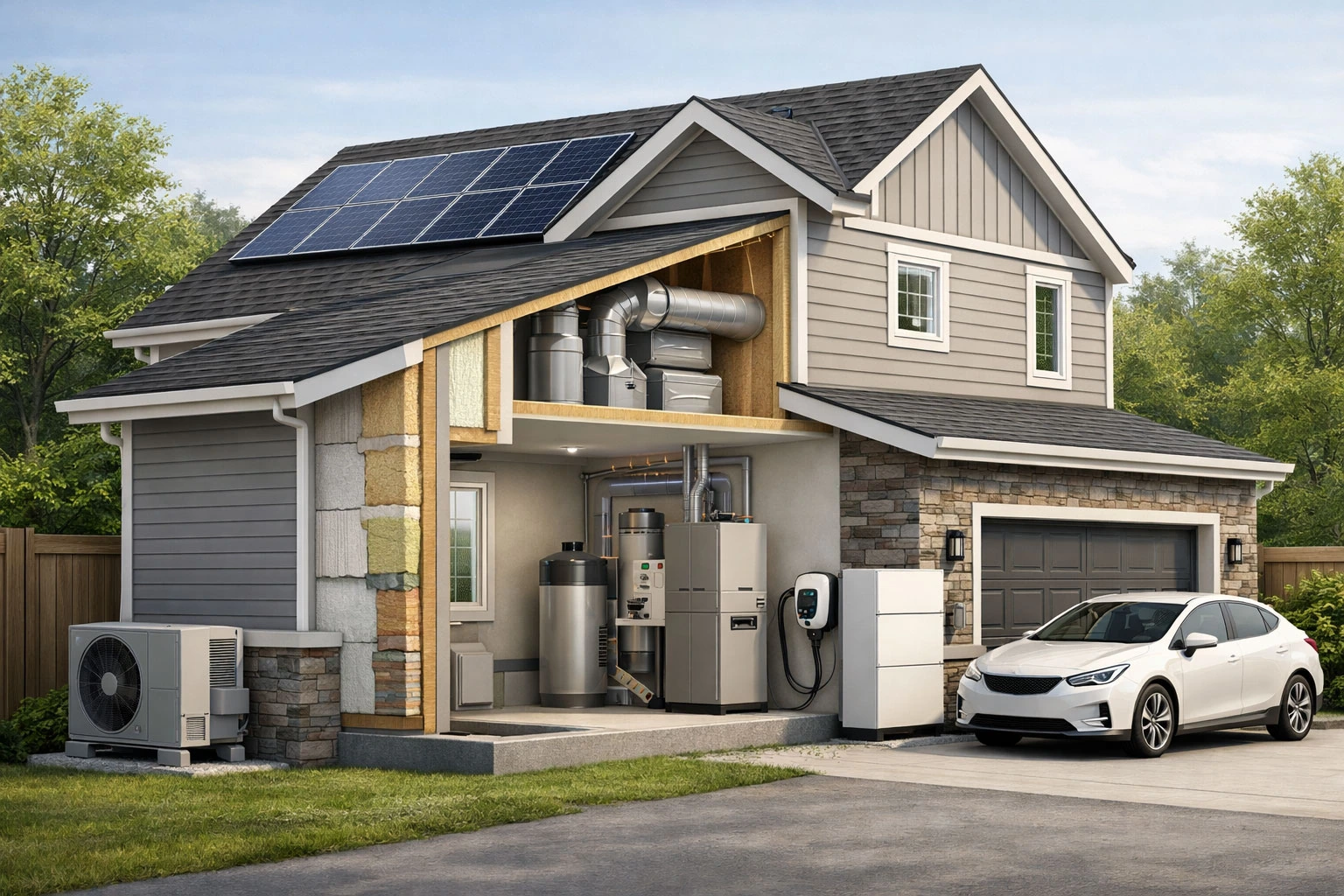
For homeowners thinking long term solar panels, battery storage, electrification airtightness is foundational.
A typical high-performance upgrade path looks like this:
Energy assessment and blower door test
Air sealing improvements
Insulation upgrades
HVAC optimization (heat pump sizing)
Solar installation
Battery storage integration
If your house leaks heavily, adding solar simply offsets wasted energy.
Reducing demand first makes renewable systems smaller and more affordable.
That’s why blower door testing is often the starting point for serious Net Zero planning.
Practical Example: Two Ontario Homes
Home A: 1978 Detached House in Mississauga
High winter bills
Drafty basement
ACH50: 7.5 (very leaky)
After targeted air sealing and attic insulation:
ACH50 reduced to 4.2
Noticeable comfort improvement
Heat pump size reduced during upgrade
Lower long-term equipment cost
Home B: 2015 Suburban Build
Mild comfort issues
ACH50: 2.8 (reasonable)
Here, aggressive air sealing wasn’t necessary. Focus shifted to optimizing ventilation and adding solar.
Testing clarified priorities.
Beyond Cost: Peace of Mind
Homeowners often feel overwhelmed by conflicting advice:
“Replace your windows.”
“Install a heat pump.”
“Add spray foam.”
Without testing, it’s guesswork.
The blower door test cost in Ontario is modest compared to the cost of a misdirected $15,000–$40,000 renovation.
It provides clarity.
Final Thoughts
A blower door test isn’t glamorous. You won’t see it like new windows or solar panels.
But it’s one of the most informative steps you can take before investing in home upgrades.
If your goal is:
Lower energy bills
Improved comfort
Smart retrofit planning
Net Zero readiness
Testing gives you a measurable starting point.
Instead of reacting to symptoms, you work from data.
Book a Customized Energy Roadmap
If you’re considering upgrades and want clarity before investing, book a consultation with Net Zero Homes Consulting.
We’ll assess your home, review blower door testing results if available, and create a practical, phased roadmap tailored to your budget and long-term goals.