
Introduction: The Winter Heating Bill Shock
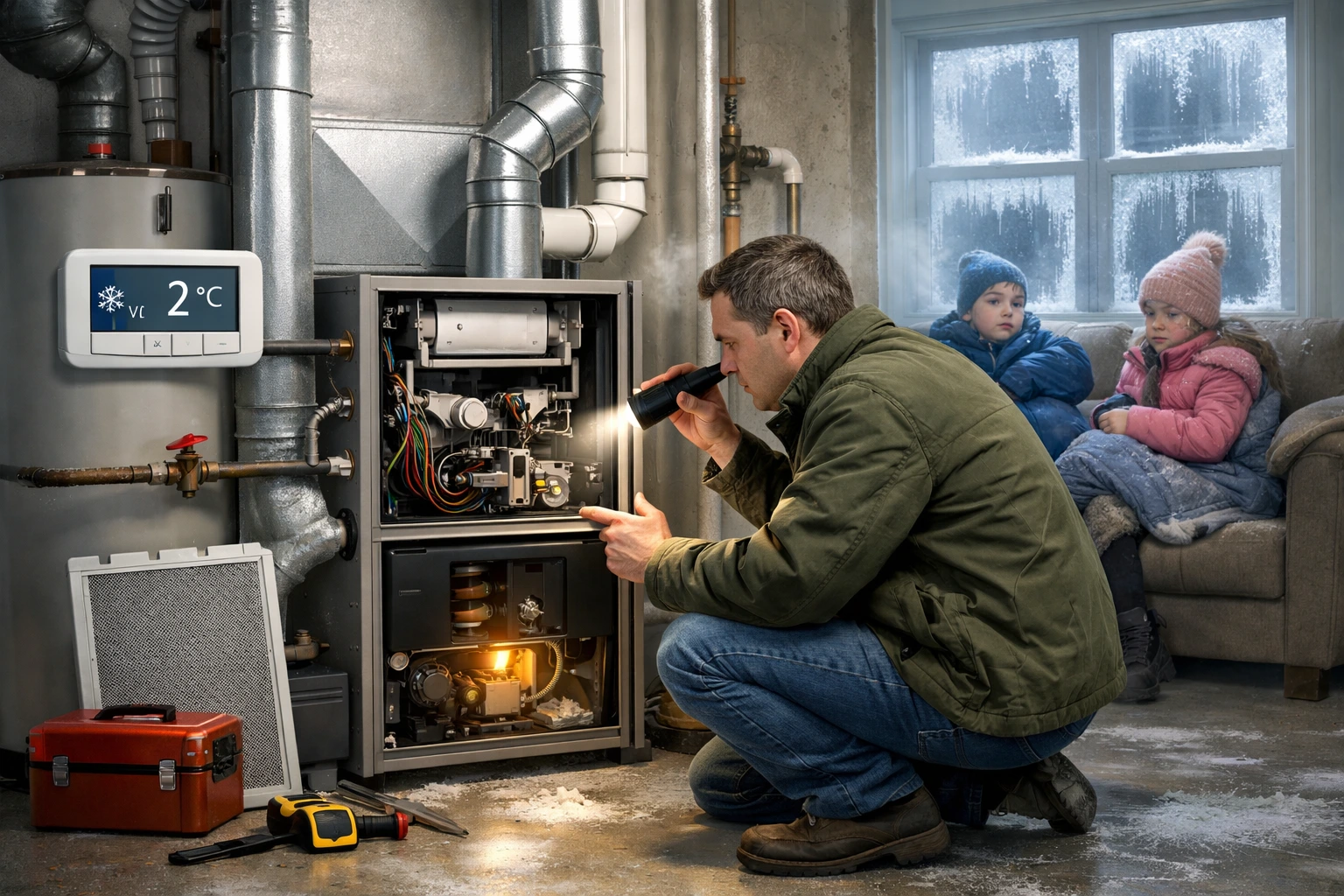
It’s late January in Ontario. Outside, temperatures are sitting around –15°C. Inside, your home feels comfortable, but the heating system has been working almost nonstop for weeks. Then the energy bill arrives.
For many Canadian homeowners, this moment sparks the same question: is there a smarter way to control heating and cooling without sacrificing comfort?
Heating and cooling account for the largest share of energy use in most Canadian homes. With rising electricity and natural gas costs, many homeowners begin looking at upgrades that promise savings and convenience. One of the most commonly recommended upgrades today is a smart thermostat.
But the market is crowded. Some models claim dramatic energy savings. Others focus on automation or integrations with smart home systems. For homeowners trying to make practical decisions, it can quickly become confusing.
This guide explains how smart thermostats actually work, which features matter most in Canadian climates, and how to choose the best smart thermostat in Canada for your home in 2026.
What a Smart Thermostat Actually Does
A traditional thermostat is simple: you set a temperature, and the heating system turns on or off to maintain it.
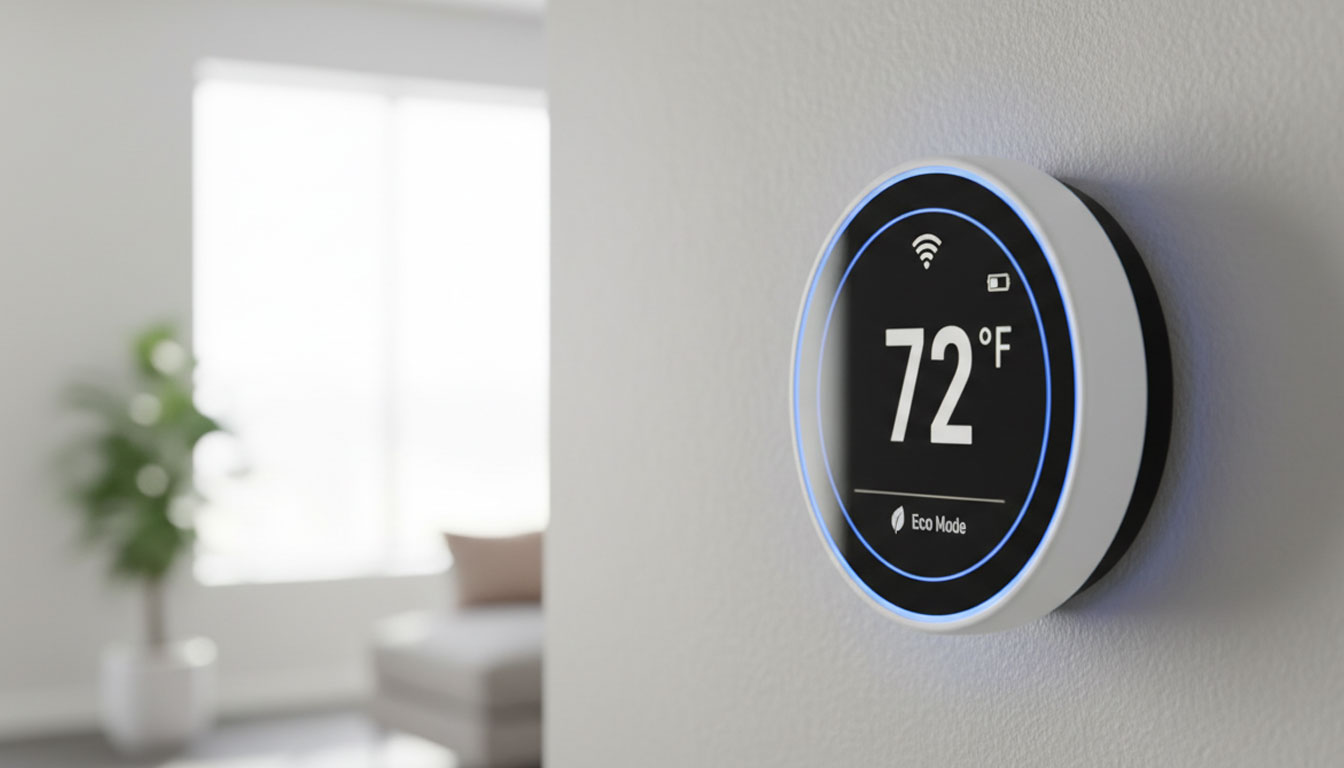
A smart thermostat goes further. It connects to your home’s WiFi network and uses software, sensors, and automation to manage heating more efficiently.
Most modern WiFi thermostats in Ontario homes offer several key capabilities:
Learning and Scheduling
Smart thermostats can learn your habits or follow customized schedules. For example:
Lower temperature while you are at work
Warm the house before you return home
Reduce heating overnight
Even small adjustments of 1–2°C can significantly reduce heating energy over a winter season.
Remote Control
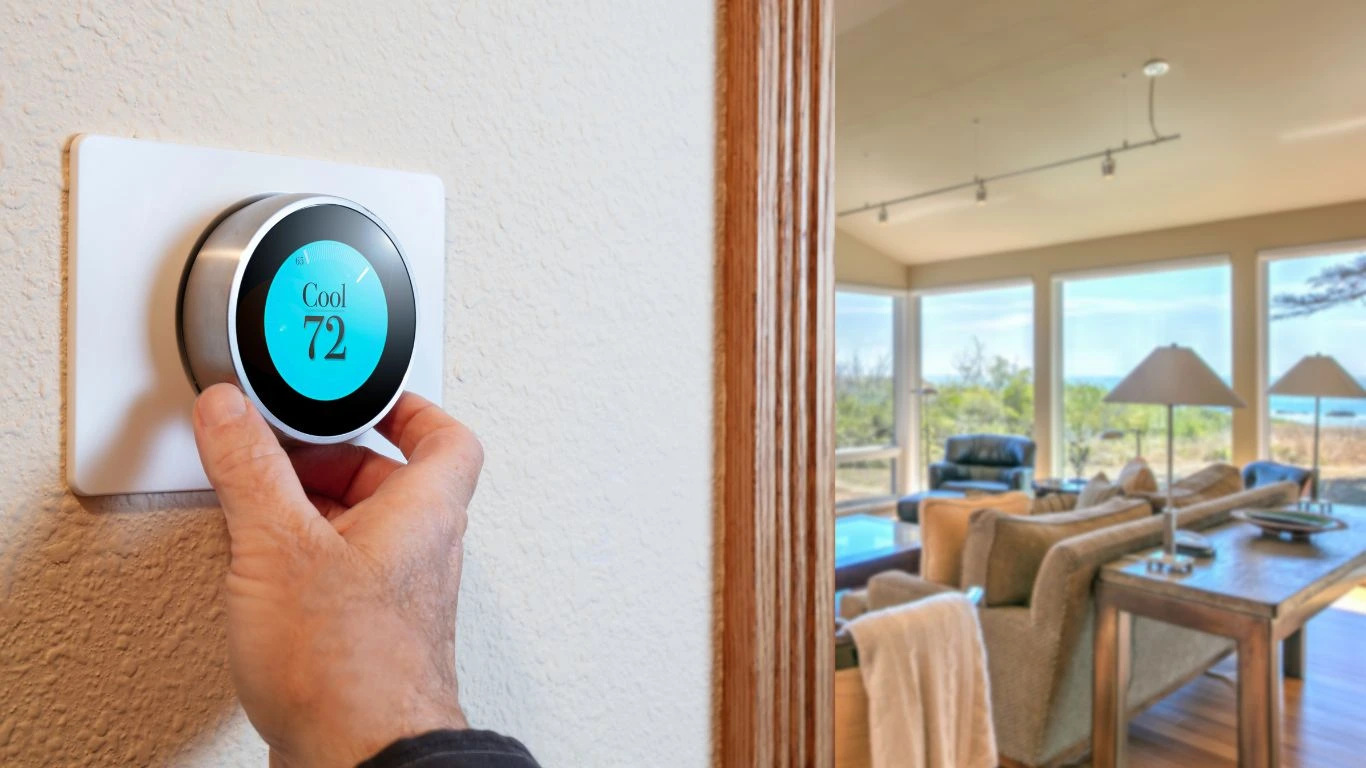
Through a mobile app, homeowners can adjust temperature anywhere:
Turn down heating while traveling
Warm the home before arriving
Monitor energy use remotely
System Optimization
Many smart thermostats optimize how heating systems run. Instead of simply switching on and off, they analyze:
Outdoor temperatures
Heating cycle efficiency
How quickly your home warms or cools
This allows them to maintain comfort while reducing unnecessary runtime.
Compatibility With Modern Systems
As more Canadian homes install heat pumps, the ability to properly manage these systems becomes important. A good smart thermostat for a heat pump can improve efficiency and prevent unnecessary backup heating.
Why Smart Thermostats Matter in Canadian Homes
Canadian homes face unique heating challenges:
Long winter seasons
Large temperature swings
High heating energy demand
Increasing adoption of heat pumps
Because heating loads are so high, even small efficiency improvements can produce noticeable energy savings.
Smart thermostats help address several common problems:
1. Overheating empty homes
Many homes remain heated during work hours when no one is home.
2. Poor scheduling habits
Homeowners rarely adjust thermostats manually every day.
3. Inefficient heat pump operation
Incorrect thermostat settings can cause backup heating to activate too often.
When used properly, smart thermostats help avoid these issues.
Typical Cost of Smart Thermostats in Canada
Smart thermostat pricing has stabilized in recent years, making them accessible for most homeowners.
Typical costs in Canada:
Device cost
Entry-level smart thermostats: $120–$200
Mid-range models: $200–$350
Premium systems with sensors: $350–$500
Installation
DIY installation: free (if compatible wiring exists)
Professional installation: $100–$250
Many homes with older wiring may require minor adjustments or a C-wire for power.
Rebates in Ontario and Canada
Some energy efficiency programs and utility providers include smart thermostats as part of broader upgrade incentives.
Programs tied to:
home energy retrofits
heat pump installations
smart home energy management
may offer rebates or incentives for qualifying thermostats.
Availability varies by program, so homeowners should check current Ontario energy retrofit programs before purchasing.
Real Energy Savings: What Homeowners Can Expect
Smart thermostats do not magically reduce energy use on their own. Savings come from better temperature management and system optimization.
Typical energy savings estimates:
5–10% reduction in heating energy
3–5% reduction in cooling energy
Savings depend on several factors:
Existing thermostat habits
Home insulation quality
HVAC system type
Local climate
Example Scenario
A typical Ontario detached home spends roughly:
$1,800 per year on heating energy
A 7% reduction could save approximately:
$120 per year
If the thermostat cost $300 installed, the simple payback may occur in 2–3 years.
Homes with poor scheduling habits or large daily temperature changes often see even faster returns.
Common Mistakes Homeowners Make
Despite their benefits, smart thermostats are frequently installed incorrectly or used inefficiently.
Here are the most common mistakes.
Choosing the Wrong Thermostat for a Heat Pump
Heat pumps operate differently than furnaces. Rapid temperature setbacks can trigger inefficient backup heating.
A thermostat must be designed for heat pump systems.
Ignoring Compatibility
Older HVAC systems may not support all smart thermostat features.
Always verify:
system type (furnace, heat pump, boiler)
wiring compatibility
multi-stage system support
Using Aggressive Temperature Setbacks
Large overnight temperature drops may seem efficient, but in some homes they cause longer heating cycles the next morning.
Moderate setbacks usually work best.
Installing in the Wrong Location
Thermostats should not be installed:
near windows
above heating vents
in direct sunlight
in hallways with poor airflow
Poor placement leads to inaccurate temperature readings.
How to Choose the Best Smart Thermostat for Your Home
With dozens of options available, the decision process can feel overwhelming. A structured approach helps.
Step 1: Identify Your Heating System
Determine whether your home uses:
natural gas furnace
electric furnace
boiler/radiant heating
heat pump system
dual fuel system
Each requires different thermostat compatibility.
Step 2: Check Wiring
Most smart thermostats require a C-wire for power. Many newer homes already have one, but older homes may not.
An HVAC technician can verify this quickly.
Step 3: Decide on Key Features
Not every homeowner needs advanced automation.
Important features to consider:
learning schedules
remote control via smartphone
room sensors
energy reports
smart home integration
Step 4: Consider Heat Pump Optimization
For homeowners installing heat pumps as part of electrification upgrades, thermostat compatibility becomes critical.
Look for:
adaptive recovery
multi-stage heat pump control
auxiliary heat management
These features improve system efficiency.
Step 5: Think Long-Term
A thermostat will likely remain in place for 10+ years.
Choose a model supported by a manufacturer with ongoing software updates.
When a Smart Thermostat Makes Sense
Smart thermostats provide the most benefit in homes that:
have irregular occupancy schedules
use programmable temperature setbacks
recently installed heat pumps
are part of a broader energy upgrade plan
They also make sense for homeowners starting their smart home ecosystem.
When It May Not Be Worth It
In some situations, a smart thermostat will provide limited value.
Examples include:
Homes with constant occupancy
If someone is always home and the temperature rarely changes, energy savings may be minimal.
Radiant heating systems with slow response
Radiant floors or boilers respond slowly to temperature changes, reducing the benefits of automation.
Poorly insulated homes
If the building envelope leaks heat significantly, insulation and air sealing upgrades often deliver better returns first.
How Smart Thermostats Fit Into a Net Zero Roadmap
Smart thermostats are rarely the most impactful upgrade on their own. But they play an important role in a long-term energy strategy.
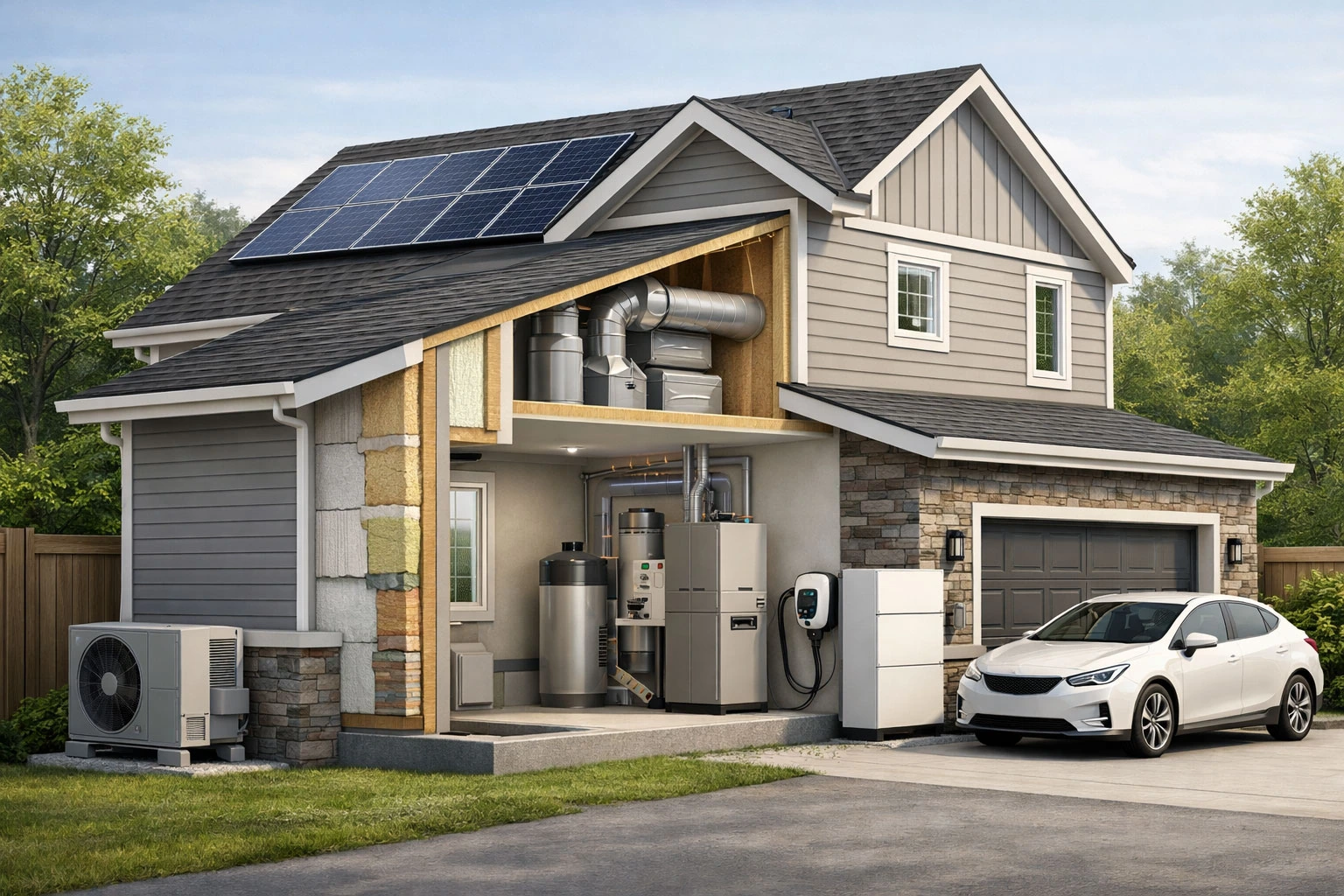
A typical Net Zero upgrade pathway might include:
Air sealing improvements
Attic and wall insulation upgrades
High-performance windows
Cold-climate heat pump installation
Smart thermostat optimization
Solar panels and battery systems
In this sequence, the thermostat acts as the control layer that helps coordinate heating systems efficiently.
When integrated properly, it supports:
lower energy consumption
improved heat pump performance
better indoor comfort
Final Thoughts
Smart thermostats have evolved significantly over the past decade. They are no longer just convenient gadgets. In many homes, they function as energy management tools that help optimize heating and cooling systems.
For Canadian homeowners especially those in Ontario this matters. Long winters, rising energy costs, and the transition toward heat pumps all make smarter control systems more valuable.
However, the key is choosing the right thermostat for your home’s heating system and integrating it into a broader energy efficiency strategy. A smart thermostat cannot compensate for poor insulation or air leakage, but it can help ensure your HVAC system operates as efficiently as possible.
When used properly, it becomes a small but meaningful step toward a more comfortable, energy-efficient home.
Book a Home Energy Consultation
If you’re planning energy upgrades and want to ensure your home follows the most cost-effective path toward efficiency, professional guidance can help.
Net Zero Homes Consulting provides customized home energy upgrade roadmaps tailored to Canadian homes.
Book a consultation to learn:
which upgrades deliver the best ROI
how smart thermostats fit into your home’s system
how to plan a step-by-step path toward a Net Zero ready home.