
A Familiar Winter Dilemma
It’s mid-January in Ontario. The temperature has dropped well below freezing overnight, and your furnace seems to be running constantly. Despite that, certain rooms still feel cold, your energy bills are climbing, and you’re starting to wonder if there’s a better way.
You’ve likely heard about heat pumps. Maybe a neighbor installed one. Maybe you’ve seen rebates being advertised. But one question keeps coming up:
Do heat pumps actually work in Canadian winters?
The short answer: yes if you choose the right system and install it correctly.
This guide breaks down what Canadian homeowners need to know about choosing the best heat pump for cold climates, with practical insights, real-world considerations, and a clear path forward.
What Is a Cold Climate Heat Pump?
A heat pump doesn’t “create” heat the way a furnace does. Instead, it transfers heat from outside air into your home, even when it’s cold.
Modern cold climate HVAC systems are specifically engineered to operate efficiently in temperatures as low as -20°C to -30°C. This is a major improvement over older models, which struggled in freezing conditions.
There are two main types relevant for Canadian homes:
1. Air-Source Heat Pumps (ASHP)
- Most common and cost-effective
- Extract heat from outdoor air
- Available in ducted and ductless (mini-split) systems
2. Cold Climate Heat Pumps (CCHP)
- A specialized category of ASHP
- Designed for consistent performance in extreme cold
- Often paired with backup heating for peak winter days
For most Ontario homeowners, a properly sized cold climate air-source heat pump is the best balance between performance and cost.
What Makes a Heat Pump “Best” for Canada?
Not all heat pumps are equal especially when it comes to cold climates.
When evaluating the best heat pump in Canada, focus on these factors:
Heating Performance at Low Temperatures
Look for systems that maintain capacity at:
- -15°C
- -20°C or lower
Efficiency Ratings
- HSPF (Heating Seasonal Performance Factor) for heating
- SEER (Seasonal Energy Efficiency Ratio) for cooling
Higher numbers mean better efficiency and lower operating costs.
Variable-Speed Compressors
These allow the system to adjust output based on demand, improving comfort and efficiency.
Cold Climate Certification
Some systems are independently tested and certified for cold weather performance. This is a strong indicator of reliability in Ontario conditions.
Cost Considerations in Ontario
Heat pump costs can vary widely depending on the home, system type, and installation complexity.
Typical Cost Ranges
- Ductless mini-split systems: $4,000 – $12,000+
- Ducted whole-home systems: $10,000 – $20,000+
Key cost factors include:
- Home size and layout
- Existing ductwork condition
- Electrical upgrades (if required)
- Installation quality
Operating Costs
In Ontario, electricity rates are higher than natural gas, which means operating costs depend heavily on efficiency.
However, because heat pumps are highly efficient (often 2–4x more than electric resistance heating), they can still offer meaningful savings especially if replacing:
- Electric baseboards
- Oil or propane heating
Energy Savings and ROI
A well-installed energy efficient heating system in Ontario can significantly reduce both energy use and carbon emissions.
Real-World Example
A homeowner in Mississauga replaces electric baseboard heating with a cold climate heat pump:
- Annual heating cost before: ~$3,000
- After heat pump: ~$1,500–$2,000
- Savings: ~$1,000+ per year
Payback Period
Depending on rebates and usage:
- Typical payback: 5–10 years
- Faster if replacing expensive fuels like oil or propane
Additional Benefits
- Cooling included (replaces AC)
- More consistent indoor temperatures
- Lower carbon footprint
Common Mistakes Homeowners Make
Choosing the right system isn’t just about the equipment. Many issues come from poor planning or assumptions.
1. Assuming Any Heat Pump Will Work
Not all systems are designed for Canadian winters. Choosing a non-cold-climate model can lead to poor performance.
2. Incorrect Sizing
Oversized or undersized systems reduce efficiency and comfort. Proper load calculations are essential.
3. Ignoring Home Efficiency
A heat pump works best in a well-sealed, insulated home. Without this, performance suffers.
4. Skipping Backup Heating Strategy
Even the best systems may need support during extreme cold snaps.
5. Choosing Based on Price Alone
Lower upfront cost can mean higher operating costs and shorter lifespan.
Step-by-Step: How to Choose the Right Heat Pump
If you’re feeling overwhelmed, this simple framework can help.
Step 1: Assess Your Home
- Age and insulation levels
- Air leakage (drafts)
- Existing heating system
Step 2: Define Your Goals
- Lower energy bills?
- Reduce emissions?
- Improve comfort?
Step 3: Choose System Type
- Ductless for targeted zones or no ductwork
- Ducted for whole-home heating
Step 4: Evaluate Cold Climate Performance
- Look for low-temperature capacity ratings
- Ask for performance data, not just brochures
Step 5: Plan for Backup Heating
Options include:
- Existing gas furnace (hybrid system)
- Electric resistance backup
Step 6: Work With Qualified Installers
Installation quality directly impacts performance and lifespan.
Rebates and Incentives in Ontario
Canadian homeowners have access to various programs that support energy-efficient upgrades.
While details change over time, incentives are often available through:
- Federal energy efficiency programs
- Provincial initiatives
- Utility-based rebates
These programs typically require:
- Pre- and post-upgrade energy audits
- Approved equipment and installers
Rebates can significantly reduce upfront costs, improving ROI.
When a Heat Pump Makes Sense (And When It Doesn’t)
Ideal Scenarios
A heat pump is a strong choice if you:
- Use electric, oil, or propane heating
- Want both heating and cooling in one system
- Plan to stay in your home long-term
- Are upgrading insulation and air sealing
Less Ideal Scenarios
It may not be the best fit if:
- Your home is poorly insulated and you’re not upgrading it
- You rely on very cheap natural gas and prioritize short-term savings
- Electrical capacity upgrades are prohibitively expensive
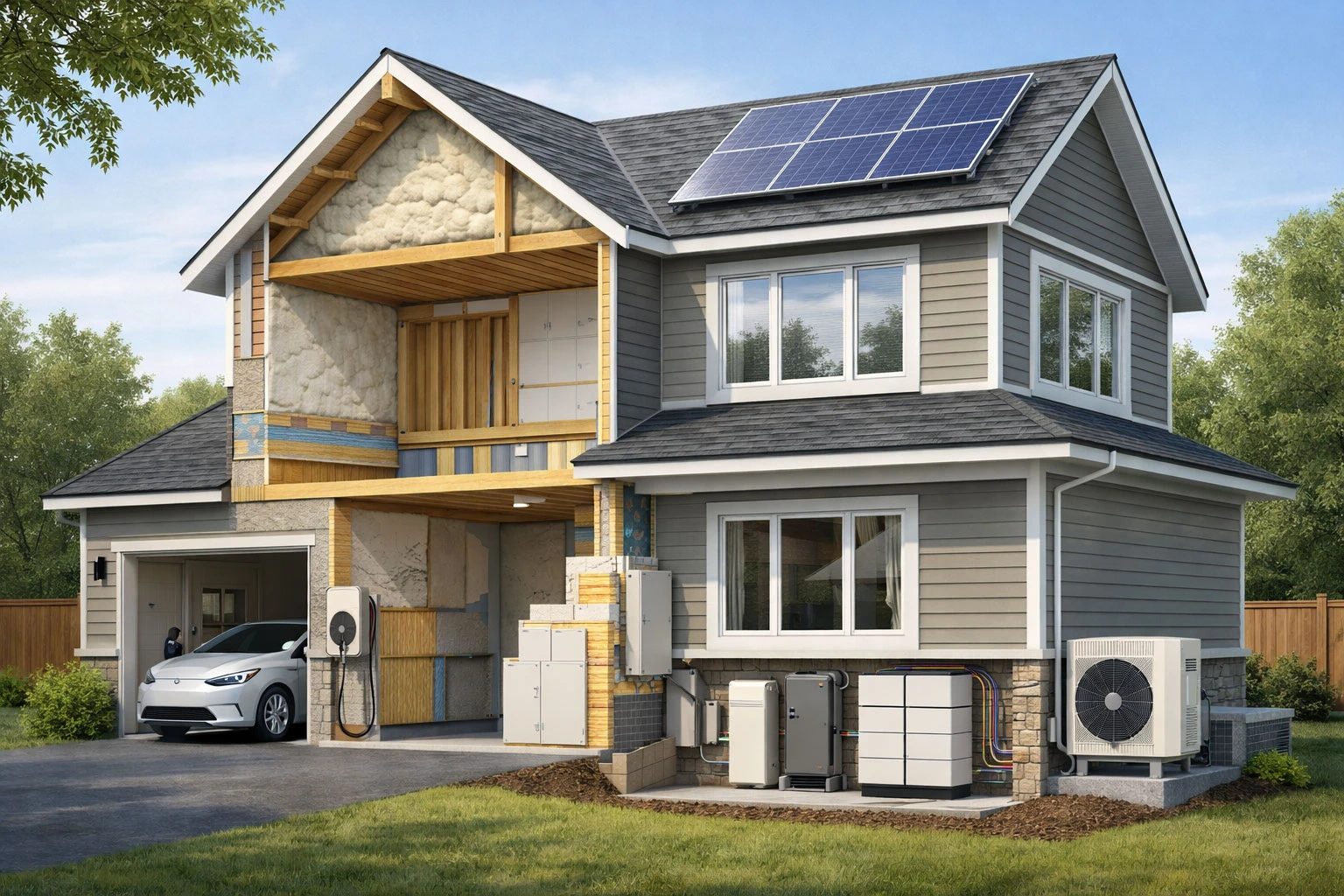
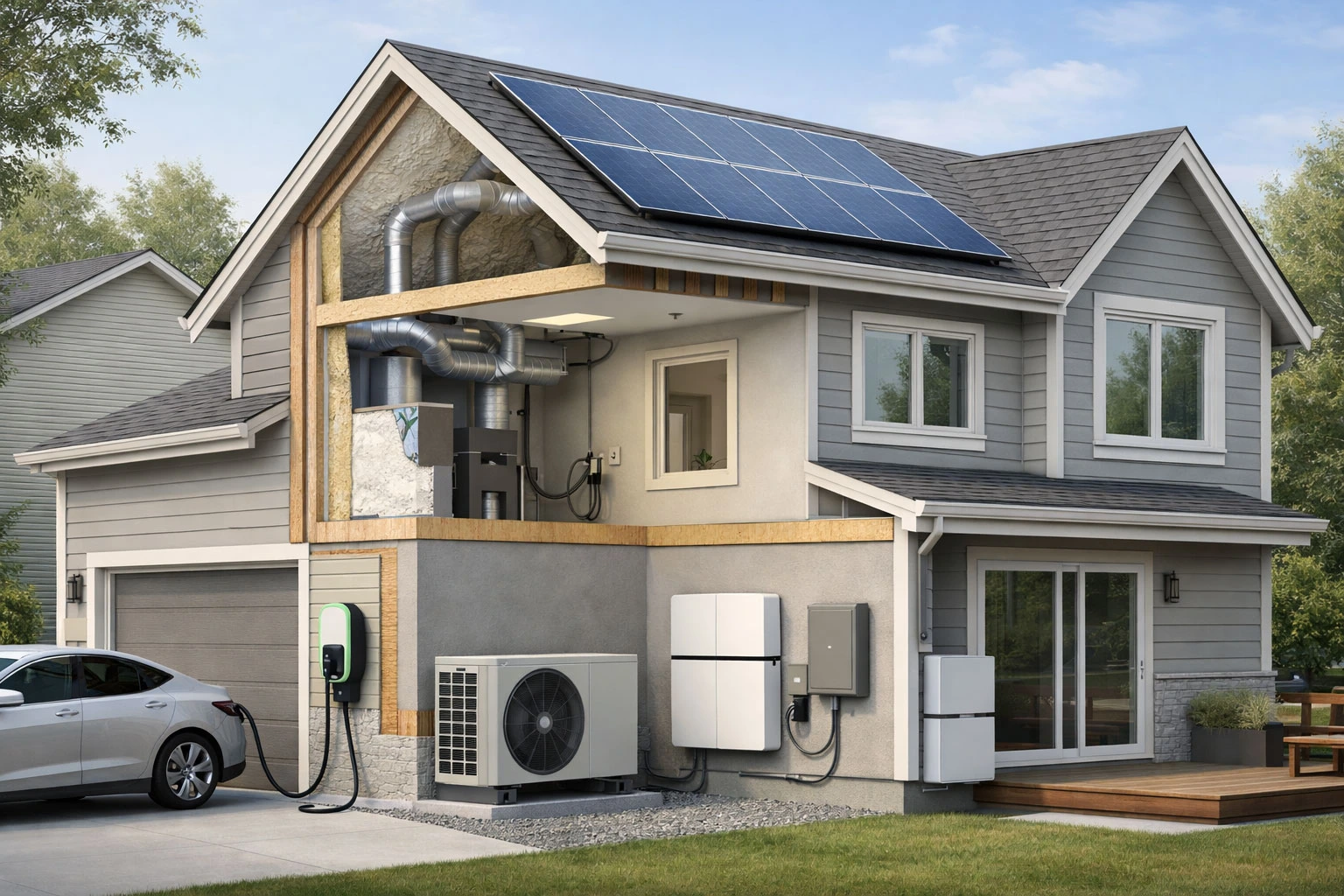
Heat Pumps and the Net Zero Path
Heat pumps play a central role in transitioning homes toward Net Zero.
A typical roadmap looks like this:
- Reduce demand
- Air sealing
- Insulation upgrades
- Electrify heating
- Install a cold climate heat pump
- Add renewable energy
- Solar panels
- Optimize usage
- Smart controls
- Energy monitoring
By replacing fossil fuel heating with a heat pump, homeowners take a major step toward reducing emissions while improving comfort.
Final Thoughts: A Practical Upgrade with Long-Term Value
Heat pumps are no longer experimental technology in Canada. They are a practical, proven solution for homeowners looking to modernize their heating systems.
That said, success depends on:
- Choosing the right system for your climate
- Installing it properly
- Integrating it into a broader home efficiency strategy
For many Ontario homeowners, a cold climate heat pump represents a smart investment not just in lower energy bills, but in long-term comfort and resilience.
Ready to Explore Your Options?
If you’re considering upgrading to a heat pump, the best first step is understanding how it fits into your specific home.
Book a consultation with Net Zero Homes Consulting to get a customized upgrade roadmap tailored to your property, budget, and long-term goals.