
A Familiar Winter Problem for Canadian Homeowners
It’s late January in Ontario. Outside temperatures have dropped well below freezing, and your heating system has been running almost nonstop for days. The furnace kicks on again, the gas bill keeps climbing, and certain rooms still feel colder than the rest of the house.
Many homeowners across Canada find themselves asking the same question every winter: Is there a more efficient way to heat my home without sacrificing comfort?
That’s where modern cold climate heat pumps come in.
Once considered suitable only for milder regions, today’s advanced heat pump systems are specifically engineered for Canadian winters. The best systems can operate efficiently even when temperatures fall well below −20°C. For many homeowners, they offer a path toward lower energy bills, improved comfort, and a more future-ready home.
But not all heat pumps perform the same way in cold climates. Choosing the right system and installing it correctly makes all the difference.
This guide explains how cold climate heat pumps work, which types perform best in Canada, and how homeowners can decide if the upgrade makes sense.
Understanding Heat Pumps in Cold Canadian Climates
At a basic level, a heat pump does something surprisingly simple: it moves heat rather than generating it.
Even when outdoor air feels freezing, it still contains thermal energy. A heat pump extracts that heat and transfers it inside your home. In summer, the process reverses to provide air conditioning.
For homeowners looking for an energy efficient heating system in Ontario, this technology offers several advantages:
Much higher efficiency than traditional electric heating
Ability to provide both heating and cooling
Reduced reliance on fossil fuels
Lower overall carbon footprint
Why Cold Climate Models Are Different
Older heat pump designs struggled in harsh winters because efficiency dropped significantly at low temperatures.
Modern cold climate HVAC systems solve this with advanced technologies:
Variable-speed compressors that adjust output precisely
Enhanced refrigerants that work in colder air
Improved defrost cycles that prevent ice buildup
Inverter technology for better energy control
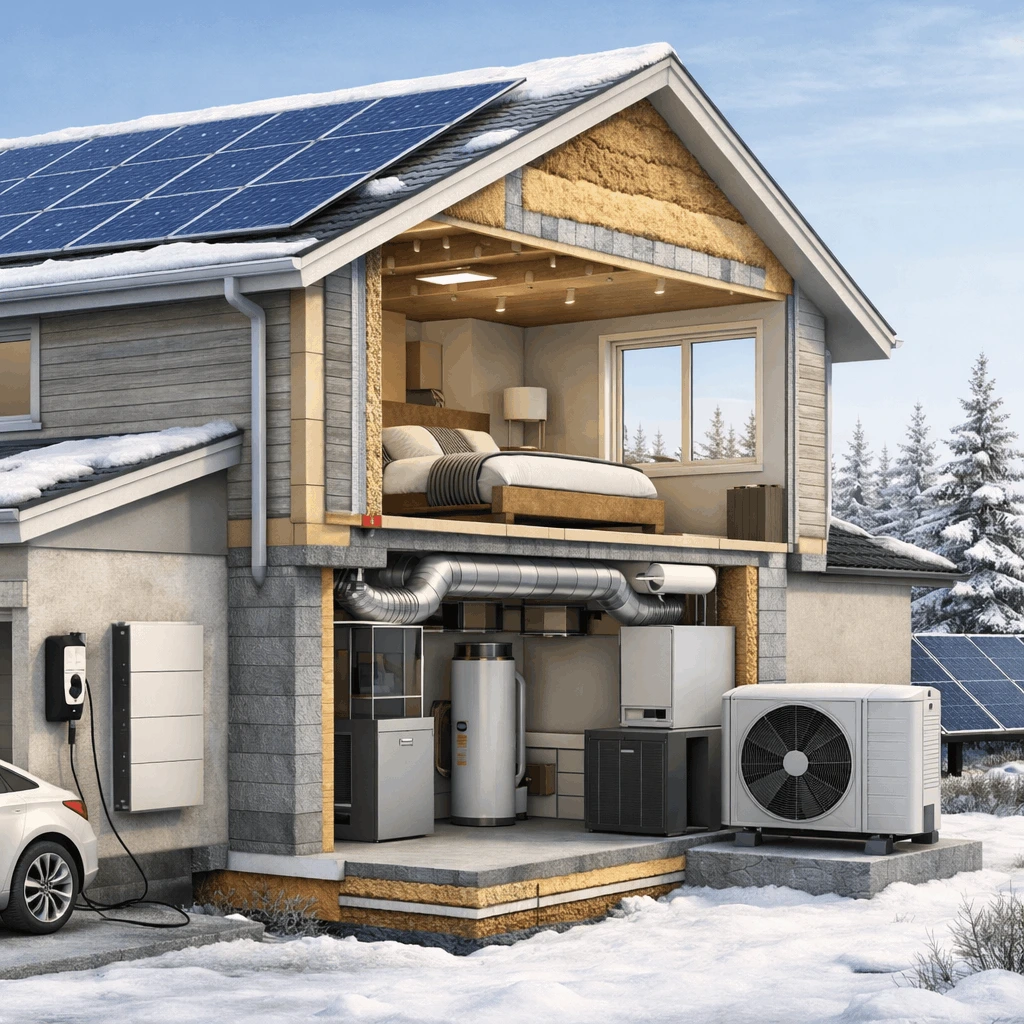
As a result, the best heat pump Canada homeowners install today can maintain heating performance at temperatures as low as −25°C or lower.
In many Ontario homes, a heat pump works alongside a small backup heating source (often electric or gas) that only activates during extreme cold snaps.
Types of Heat Pumps That Work Best in Canada
Not every heat pump is designed for Canadian winters. The following systems tend to perform best in cold climates.
1. Cold Climate Air Source Heat Pumps (ccASHP)
These are the most common systems installed in Ontario homes.
They consist of:
An outdoor compressor unit
Indoor air handler or ducted system
Refrigerant lines connecting both components
Key advantages:
Lower installation cost than geothermal systems
High efficiency in moderate winter conditions
Cooling capability in summer
Suitable for many existing homes
Many of the best heat pump Canada systems today are cold climate air-source models designed specifically for northern regions.
2. Ductless Mini-Split Heat Pumps
Ductless systems are ideal for homes without central ductwork.
They use wall-mounted indoor units connected to an outdoor compressor.
Best suited for:
Older homes
Room additions
Basements
Homes with inconsistent temperatures
Benefits include:
Highly efficient zoning
Lower installation complexity
Flexible installation locations
3. Ground Source (Geothermal) Heat Pumps
Geothermal systems extract heat from the ground rather than outdoor air.
Because underground temperatures remain relatively stable year-round, these systems offer extremely high efficiency.
Advantages include:
Exceptional winter performance
Very low operating costs
Long equipment lifespan
However, installation costs are significantly higher due to ground loop installation.
For most Ontario homeowners, cold climate air-source systems provide the best balance between cost and performance.
Cost Considerations for Canadian Homeowners
One of the most common questions homeowners ask is simple: What does a heat pump cost?
While pricing varies depending on home size and installation complexity, typical ranges include:
Air Source Heat Pump
Typical installed cost:
$10,000 – $20,000
Factors affecting price:
Home size
Ductwork condition
Electrical upgrades
Equipment capacity
Installation complexity
Ductless Mini-Split System
Typical installed cost:
$4,000 – $12,000
Depends on:
Number of indoor heads
Layout of the home
Electrical work required
Geothermal Heat Pump
Typical installed cost:
$25,000 – $45,000+
Higher due to:
Ground loop excavation or drilling
Specialized installation
Larger system design
Rebates and Incentives in Ontario
Canada and Ontario have introduced several programs encouraging homeowners to adopt energy efficient heating systems.
These programs often provide incentives for:
Heat pump installation
Home energy audits
insulation upgrades
air sealing improvements
The exact amounts change periodically, but rebates can significantly reduce the upfront investment for many households.
Consulting with an energy advisor before installation often helps homeowners maximize available incentives.
Energy Savings and Long-Term ROI
Heat pumps are appealing not just because of sustainability, but because of operating cost savings.
Compared with traditional heating systems:
Electric baseboard heating
Heat pumps can reduce energy use by 50–70%
Savings depend on energy prices and system efficiency
Heat pumps often provide major cost reductions
Example scenario:
A typical Ontario household spending $2,500–$3,500 per year on heating may see noticeable reductions after installing a high-efficiency heat pump.
Actual savings depend on:
Insulation quality
air sealing
thermostat settings
home size
electricity rates
Energy upgrades tend to perform best when approached as part of a whole-home efficiency strategy.
Common Mistakes Homeowners Make
Heat pumps are powerful tools, but poor planning can reduce their benefits.
Here are the most common mistakes.
Choosing an Undersized System
Improper sizing leads to:
Poor comfort
higher energy use
frequent backup heating
Professional load calculations are essential.
Ignoring Insulation and Air Sealing
A heat pump performs best in homes that are already reasonably efficient.
If heat escapes through:
attic insulation gaps
leaky windows
poorly sealed walls
the system must work harder than necessary.
Assuming One System Fits Every Home
Every house has different characteristics:
layout
insulation levels
ductwork condition
heating history
What works perfectly in one home may not be ideal for another.
Installing Without an Energy Plan
Some homeowners install equipment first and evaluate efficiency later.
A better approach is:
energy assessment
building envelope improvements
HVAC upgrades
This ensures the system is sized correctly and operates efficiently.
Step-by-Step Guide to Choosing the Right Heat Pump
Homeowners often feel overwhelmed by equipment options. A simple process can make the decision easier.
Step 1: Evaluate Your Home’s Energy Efficiency
Start with:
insulation levels
air leakage
window performance
attic condition
Improving these areas may reduce heating demand significantly.
Step 2: Conduct a Home Energy Assessment
Energy advisors can identify:
heat loss areas
upgrade opportunities
rebate eligibility
This assessment helps determine the right system size.
Step 3: Choose a Cold Climate Rated System
Look specifically for cold climate HVAC models certified for northern performance.
These units maintain heating capacity at lower temperatures.
Step 4: Consider Backup Heating
In many Canadian homes, heat pumps operate alongside:
electric resistance heaters
existing gas furnaces
hybrid dual-fuel systems
Backup heating ensures comfort during extreme cold events.
Step 5: Work With Experienced Installers
Proper installation affects:
efficiency
system lifespan
indoor comfort
Heat pump technology works best when installed by professionals familiar with Canadian climate conditions.
When a Heat Pump Upgrade Makes Sense
Heat pumps are an excellent solution for many homeowners.
They are especially beneficial when:
replacing aging HVAC equipment
upgrading electric heating
improving energy efficiency
planning for long-term electrification
installing air conditioning alongside heating
Homes undergoing major renovations also benefit because heating loads can be redesigned during the process.
When It Might Not Be the Right Choice
In some cases, a heat pump may not be the most practical upgrade.
Situations where caution is warranted include:
extremely poorly insulated homes
electrical panel capacity limitations
homes requiring extensive ductwork modifications
properties with very low natural gas costs
In these cases, envelope upgrades may provide better short-term returns.
Heat Pumps and the Net Zero Home Roadmap
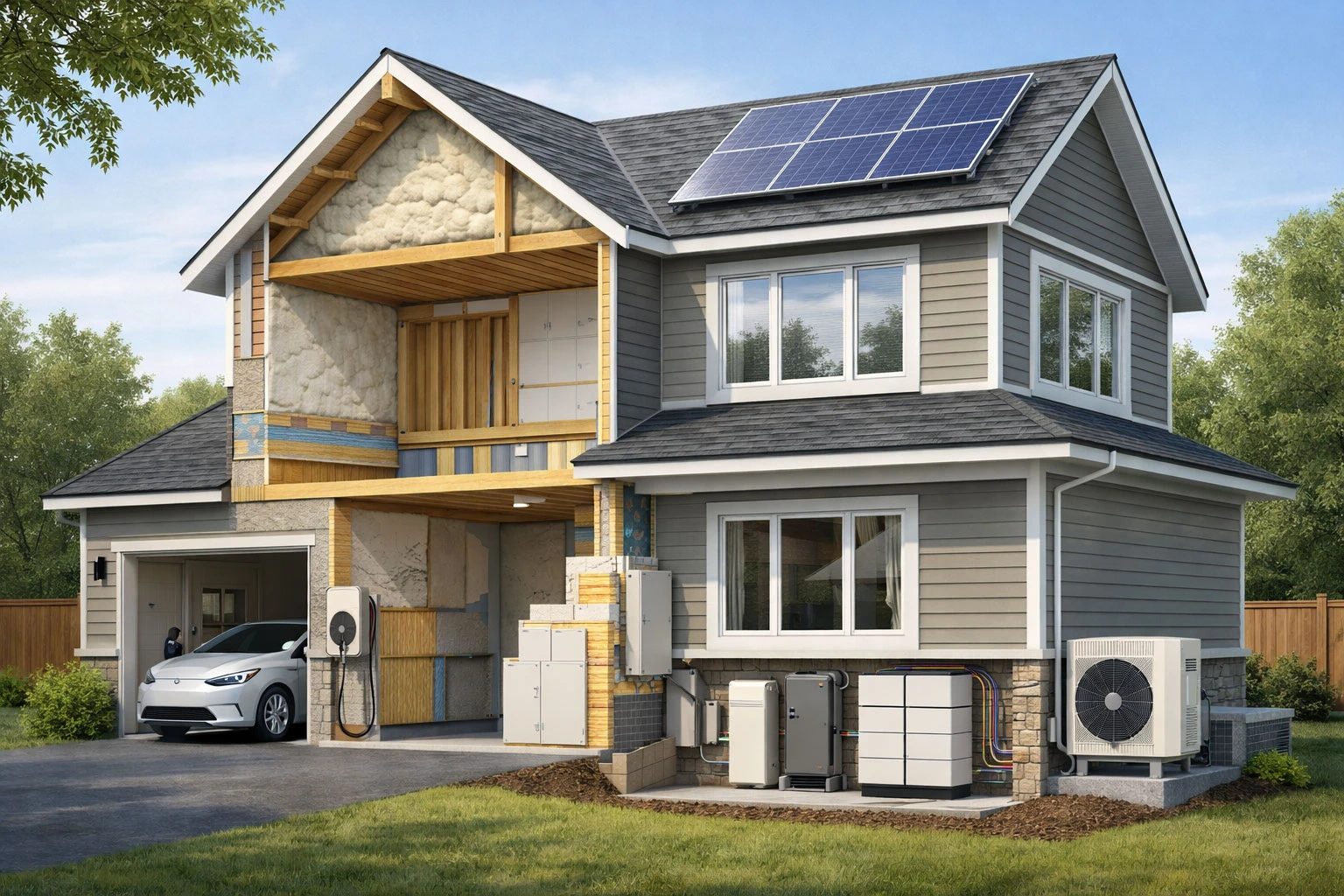
Heat pumps play a key role in many Net Zero home strategies.
A typical upgrade path looks like this:
Air sealing improvements
Attic and wall insulation upgrades
High-performance windows
Cold climate heat pump installation
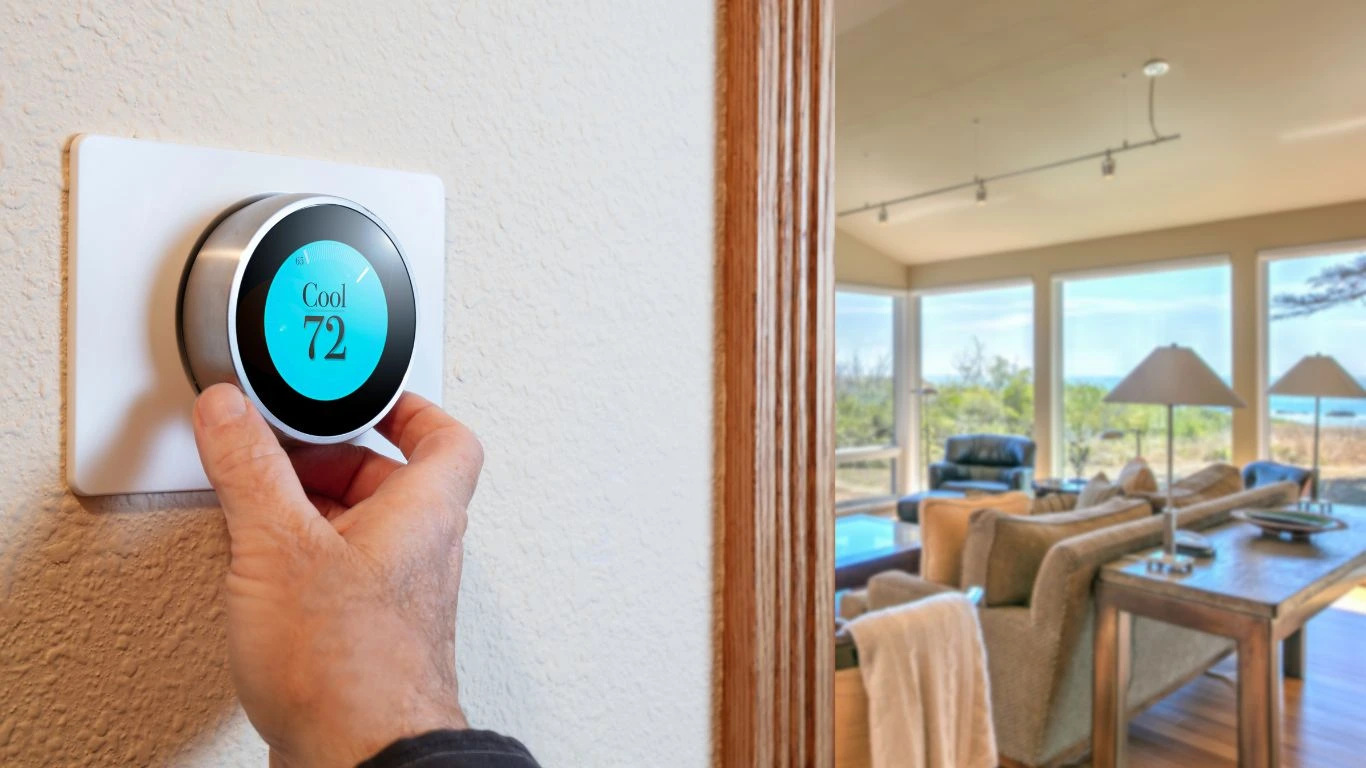
Smart thermostat integration
Solar panels and energy storage
Because heat pumps run on electricity, they integrate naturally with renewable energy systems such as rooftop solar.
This transition gradually moves a home away from fossil fuels while improving comfort and efficiency.
For homeowners thinking long-term, installing the best heat pump Canada offers today can be an important step toward a lower-carbon home.
Conclusion
Heating technology in Canada has evolved significantly in the past decade. Modern cold climate heat pumps are now capable of handling winters that once made the technology impractical.
For many homeowners in Ontario, they offer:
lower energy consumption
improved indoor comfort
reduced carbon emissions
long-term energy cost stability
However, the best results come from thoughtful planning. Every home has different insulation levels, heating demands, and infrastructure. Understanding those factors ensures the right system is installed for long-term performance.
If you’re considering a heat pump or planning broader efficiency upgrades, professional guidance can help you avoid costly mistakes and maximize available incentives.
Book a consultation with Net Zero Homes Consulting to create a customized home energy upgrade roadmap tailored to your property, comfort goals, and long-term savings strategy.