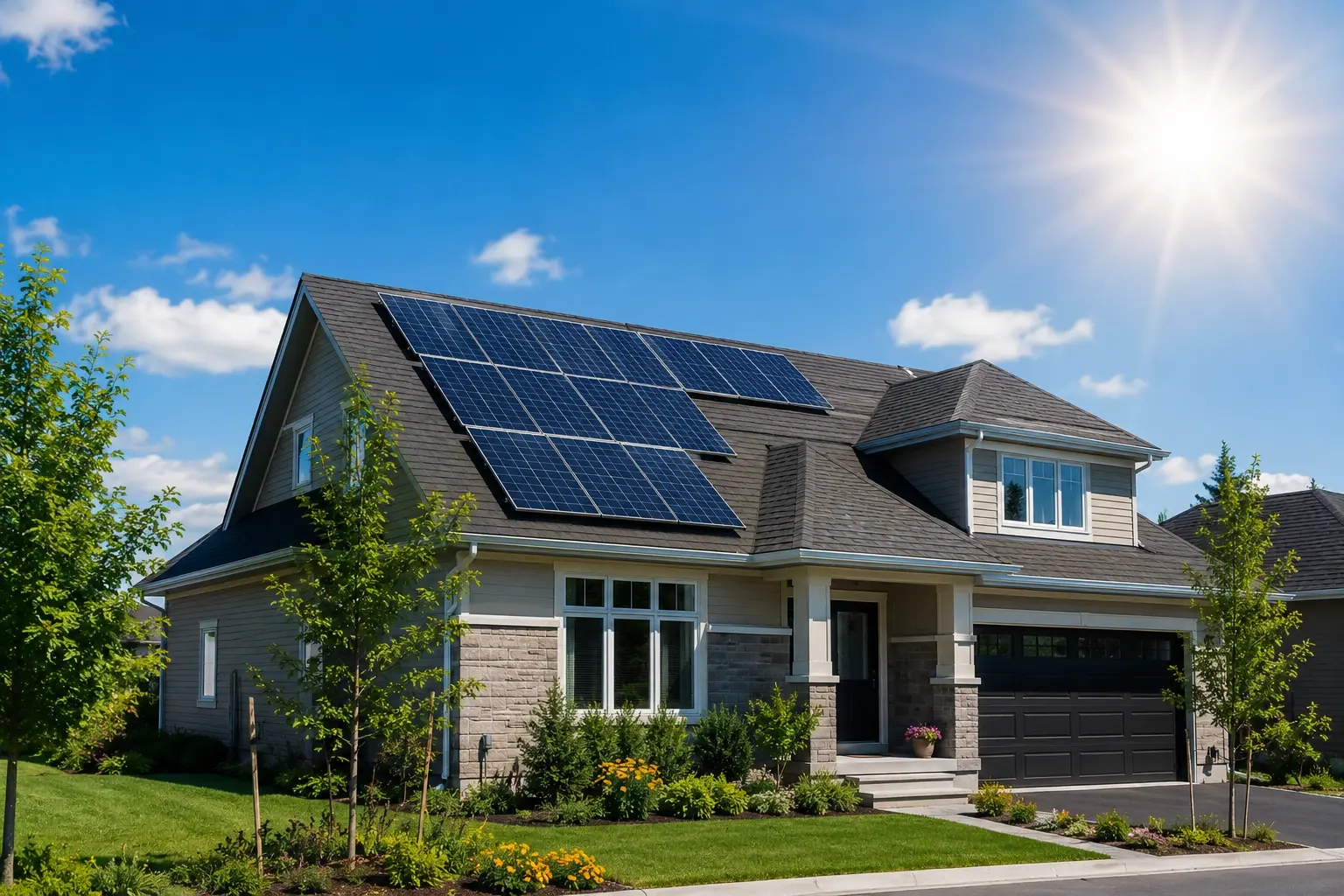
Imagine you’ve invested in a solar system to slash your hydro bills and lower your carbon footprint only to wonder what happens when it’s time to sell your Ontario home.
Will the buyer love it, or will the financing complicate the deal? For many Canadian homeowners embracing energy upgrades like solar panels, heat pumps, or full net zero retrofits, this is a common concern.
The good news? In 2026, solar-equipped homes often attract buyers seeking lower operating costs and modern efficiency. With the right preparation, your investment can boost appeal and even support a smoother sale. At Net Zero Homes, we’ve guided countless Ontario families through these upgrades and sales, helping them maximize value while navigating financing details.
Whether your solar system is financed through a municipal program or personal credit, understanding the process empowers you to sell confidently. Let’s break it down step by step.
How Solar Financing Works When Selling Your Home
Ontario homeowners typically finance solar and energy upgrades in two main ways: property-attached loans (like Local Improvement Charges or LIC programs) or personal loans (such as HELOCs or bank financing). The type determines what happens at closing.
Property-Attached Financing (LICs and Similar Programs): These loans, offered through municipal initiatives like Toronto HELP, Better Homes Hamilton, London, Kingston, Peterborough, and others, are tied to the property itself not you personally. When you sell, the remaining balance transfers to the new owner, who continues payments via their property tax bill at the original low rate and term.
This structure benefits buyers by providing immediate energy savings without a large upfront cost or new mortgage qualification hurdles. The buyer simply assumes the predictable payments alongside regular taxes.
Personal Financing (HELOC, Bank Loans, etc.): These are your personal debt. At closing, your lawyer pays off the balance from sale proceeds, similar to your mortgage. The solar system stays with the home, but the loan does not transfer. Pricing your home to reflect the system’s value helps ensure you recoup your investment.
Net metering agreements with your local distribution company (LDC) generally transfer easily the buyer re-registers the account in their name, often a straightforward process handled during the sale.
Do Solar Panels Increase Your Home’s Resale Value in Ontario?
Yes, owned solar systems typically add value. Studies show homes with solar can sell for about 3-4% more on average than comparable properties without, translating to thousands of extra dollars depending on your home’s price and system size. In high-electricity-cost areas like Ontario, the premium can be even stronger due to ongoing bill savings.
Real-world example:
A Toronto-area family we worked with at Net Zero Homes installed a 10 kW system with battery storage. When they sold two years later, the home attracted multiple offers, and the buyers appreciated the documented energy production history and remaining warranties. The system helped differentiate their property in a competitive market.
Factors influencing value include system age, condition, warranties (panels often 25 years), and proof of performance. Appraisers and buyers respond well to clear documentation from a reputable installer.
Benefits of Selling with Solar and Energy Upgrades
- Lower Operating Costs for Buyers: Solar offsets hydro bills, making the home more affordable long-term.
- Environmental Appeal: Attracts eco-conscious buyers amid Canada’s push for net zero.
- Faster Sales: Energy-efficient homes can stand out and sell quicker.
- Incentive Legacy: Upgrades may qualify for ongoing programs through Natural Resources Canada or provincial utilities.
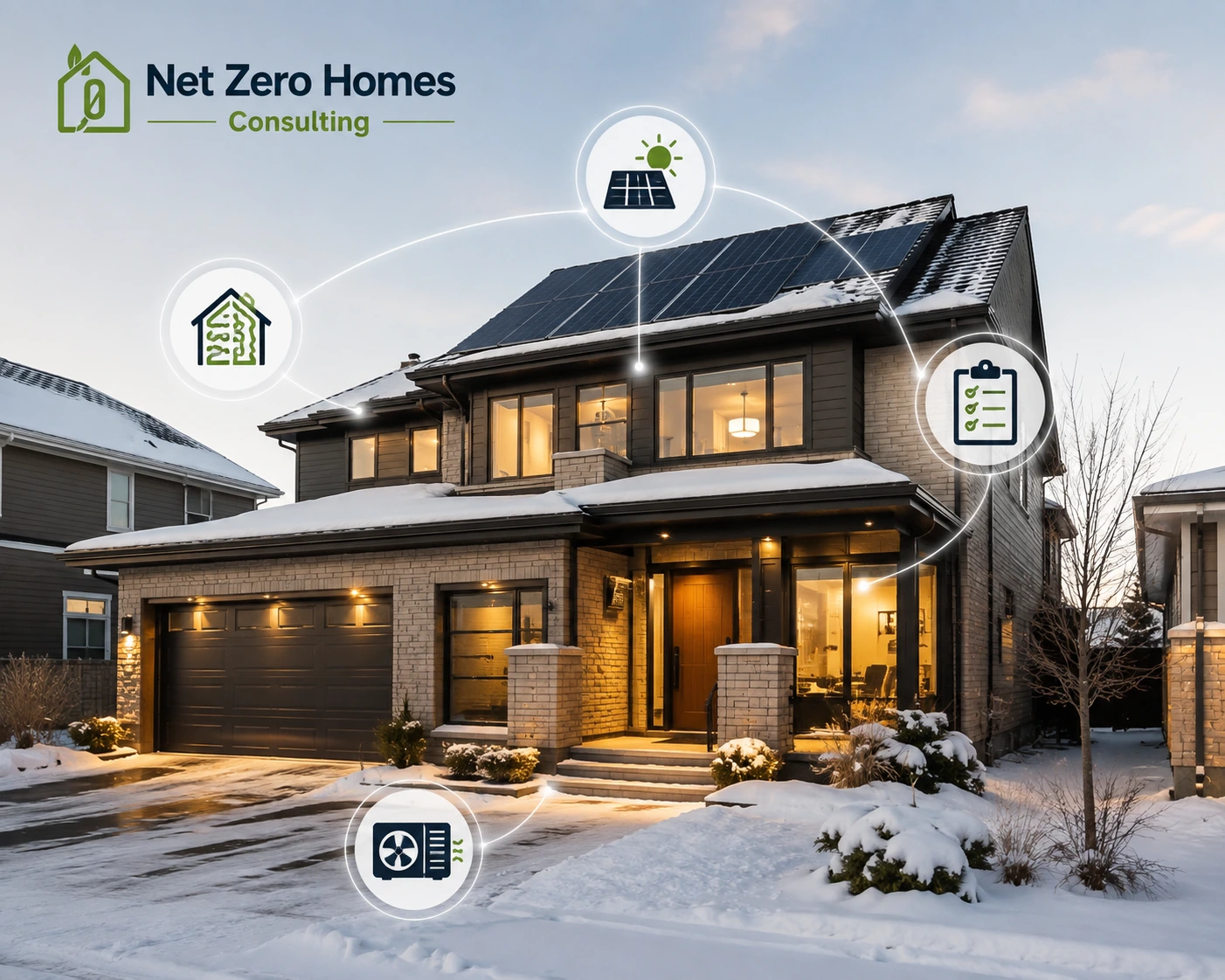
Combined with heat pumps, high-performance windows, insulation, air sealing, and EV chargers, a solar system contributes to a true net zero-ready home highly desirable in 2026.
Potential Drawbacks and How to Address Them
Some buyers or realtors unfamiliar with LIC structures may initially hesitate. Transparent disclosure and simple explanations (e.g., one-page summaries) usually resolve this. Personal loans paid at closing require the sale price to account for the system’s value to avoid out-of-pocket costs.
Maintenance is minimal solar panels are durable but providing service records builds trust. Rarely, a buyer might request removal, but this is uncommon and costly; finding the right buyer is almost always better.
Actionable Takeaways for Ontario Homeowners
- Get a professional home energy audit early to document savings and system performance.
- Compile a “buyer transfer package”: specs, warranties, install records, net metering details, and energy bills showing savings.
- Work with your realtor to highlight efficiency in listings (e.g., “Annual hydro savings of $1,500+”).
- Consider timing: Selling in spring/summer showcases solar production best.
- Layer upgrades: Pair solar with insulation, heat pumps, or battery storage for maximum impact. Net Zero Homes can help coordinate.
Cost Considerations and ROI in 2026
Solar installations in Ontario typically range from $15,000–$35,000+ after incentives, depending on size and add-ons like batteries. Municipal LICs offer low or 0% interest over 10–25 years, repaid on taxes often with payments lower than energy savings.
ROI is strong: Many systems pay for themselves in 6–10 years through bill savings and incentives. When selling, the added home value plus accumulated savings often yields positive returns. Consult current programs via Canada Greener Homes resources or your utility for stacking opportunities (note: federal interest-free loans are closed to new applicants, but other supports remain).
Sample Comparison Table:
| Financing Type | Transfers with Sale? | Paid at Closing? | Buyer Impact | Best For |
|---|---|---|---|---|
| Municipal LIC/PACE | Yes (on tax bill) | No (unless prepaid) | Assumes low payments + savings | Long-term owners planning to sell |
| Personal Loan/HELOC | No | Yes (from proceeds) | Clean title, owns system outright | Those who want flexibility |
Common Mistakes to Avoid
- Failing to disclose loan or system details early, leading to deal delays.
- Overlooking documentation buyers want proof of performance and warranties.
- Removing panels unnecessarily (expensive and reduces appeal).
- Not consulting experts: A Net Zero Homes energy advisor can provide tailored guidance.
- Ignoring local programs: Check IESO, Ontario government, or municipal offerings for support.
Frequently Asked Questions
What happens to a solar LIC loan when selling my Ontario house? It transfers with the property. The buyer takes over payments on their tax bill at the original terms.
Do I need to pay off a HELOC or personal solar loan at closing? Yes, it’s settled from sale proceeds. Price accordingly to recover value.
Will solar scare off buyers? Usually not. Proper education and documentation turn it into a selling feature. Many buyers seek energy-efficient homes.
How much value do solar panels add in Ontario? Typically 3-4% or more, depending on the market, system, and documentation. Real savings and warranties drive buyer interest.
What about net metering when selling? The account transfers; the buyer re-registers with the LDC straightforward with paperwork.
Can I sell a home with solar and a Canada Greener Homes-related upgrade? Absolutely. Highlight any remaining benefits or warranties. Check Natural Resources Canada for program details.
Do I need special disclosure for energy upgrades? Yes, material facts like system specs, loan status, and performance data should be shared.
What maintenance records help during sale? Installation docs, monitoring data, cleaning/service history, and inverter/panel warranties.
Are there programs to help with upgrades before selling? Yes,explore CMHC, Energy Star, or local utility incentives for pre-sale retrofits.
How can Net Zero Homes help? We provide audits, full upgrades (solar, batteries, heat pumps, etc.), documentation packages, and sales support
Final Thoughts
Selling a home with solar panels or related energy upgrades in Ontario doesn’t have to be stressful. With property-attached financing, the system becomes an asset that transfers smoothly. Personal loans are handled cleanly at closing. Overall, these upgrades enhance comfort, savings, and marketability aligning with Canada’s shift toward efficient, sustainable homes.
By preparing documentation and working with experienced partners, you can turn your investment into a strong selling point.
Ready to maximize your home’s energy efficiency or prepare for a future sale? Contact Net Zero Homes today for a free consultation. Our team specializes in heat pumps, solar panels, home battery storage, EV chargers, insulation, air sealing, high-performance windows, net zero retrofits, energy audits, and navigating rebates. Let’s make your home more comfortable, affordable, and valuable whether you’re staying or selling. Visit our site or call to get started.