
Introduction: A Familiar Homeowner Dilemma
It’s a cold January morning in Ontario. Your furnace kicks on again loud, frequent, and expensive. The gas bill from last month is still sitting on the counter, higher than expected. You’ve heard about heat pumps. Friends mention lower energy bills and better comfort. Maybe you’ve even seen rebates advertised.
But then comes the big question: What does a heat pump actually cost in Canada and is it worth it?
For many homeowners, the answer isn’t straightforward. Costs vary widely. Savings depend on your home. And the wrong decision can be expensive.
This guide breaks it down clearly what you’ll pay, what you’ll save, and how to decide if a heat pump is the right move for your home.
What Is a Heat Pump (and Why Are Canadians Switching)?
A heat pump is not a traditional “heater.” It doesn’t generate heat it moves it.
In winter, it extracts heat from outside air (even in cold climates) and brings it indoors. In summer, it works like an air conditioner, removing heat from your home.
Modern cold-climate heat pumps are specifically designed for Canadian winters. In provinces like Ontario, they’re becoming a popular alternative or complement to gas furnaces.
Why the shift?
- Rising natural gas costs
- Electrification trends
- Government incentives
- Desire for year-round efficiency (heating + cooling in one system)
Heat Pump Costs in Canada: The Real Numbers
Let’s get specific. The cost of a heat pump system in Canada depends on the type of system, your home size, and installation complexity.
Typical Cost Ranges (Installed)
1. Ductless Mini-Split Heat Pumps
- $4,000 – $12,000+
- Best for homes without ductwork or for targeted heating/cooling
2. Ducted Air-Source Heat Pumps
- $10,000 – $20,000+
- Works with existing ductwork
- Common in suburban Ontario homes
3. Cold-Climate Heat Pumps (High Performance)
- $15,000 – $25,000+
- Designed to perform efficiently even in very cold temperatures
4. Ground-Source (Geothermal) Systems
- $25,000 – $45,000+
- Highest upfront cost
- Lowest operating cost long-term
These are broad ranges, but they reflect real-world Canadian installs.
What Drives the Cost?
Several factors influence where your project lands:
- Home size and layout
- Insulation levels and air sealing
- Existing HVAC system (ducted vs ductless)
- Electrical upgrades (panel capacity)
- Installation complexity
- Brand and system efficiency rating
A 1,500 sq. ft. well-insulated home will cost significantly less than a 3,000 sq. ft. older home with poor insulation.
Operating Costs: What Will You Pay Each Month?
Upfront cost is only half the story. What matters long-term is how much you’ll spend to run the system.
Heat pumps are highly efficient because they move heat instead of generating it.
Compared to Other Heating Systems
- Electric baseboards: Heat pumps can reduce energy use by 50–70%
- Oil heating: Significant savings, often thousands per year
- Natural gas: Savings depend on electricity vs gas rates
In Ontario, where electricity prices are relatively stable but gas prices fluctuate, heat pumps can offer predictable operating costs.
However, during extremely cold days, some systems rely on backup heating (electric or gas), which can increase costs temporarily.
Energy Savings and ROI: When Does It Pay Off?
Return on investment (ROI) varies widely, but here’s a realistic way to think about it:
Where Heat Pumps Deliver Strong ROI
- Homes currently using electric baseboard heating
- Homes using oil or propane
- Older HVAC systems nearing replacement
- Homes planning long-term ownership
Where ROI Is Slower
- Homes with new high-efficiency gas furnaces
- Homes with low heating demand
- Poorly insulated homes (until upgraded)
Typical Payback Timeline
- 5–10 years in high-savings scenarios
- 10–15+ years in moderate cases
But ROI isn’t just about dollars. You also gain:
- More consistent indoor comfort
- Cooling included (no separate AC needed)
- Lower carbon footprint
- Future-proofing against energy price shifts
Common Mistakes Homeowners Make
Many heat pump regrets come from avoidable mistakes. Here are the most common:
1. Choosing the Wrong Size System
Bigger is not better. Oversized systems cycle inefficiently, increasing costs and reducing comfort.
2. Skipping Home Efficiency Upgrades
Installing a heat pump in a drafty home is like pouring water into a leaking bucket. Air sealing and insulation matter.
3. Focusing Only on Upfront Cost
The cheapest quote often leads to higher long-term costs due to poor installation or low efficiency.
4. Ignoring Cold Climate Performance
Not all heat pumps perform well in Canadian winters. Choosing the wrong model leads to heavy reliance on backup heat.
5. Hiring Inexperienced Installers
Heat pumps are not “plug and play.” Design and installation quality directly impact performance.
Step-by-Step: How to Decide if a Heat Pump Is Right for You
If you’re feeling overwhelmed, follow this practical process:
Step 1: Assess Your Current System
- How old is your furnace or heating system?
- What are your annual energy costs?
Step 2: Evaluate Your Home Envelope
- Is your home well insulated?
- Are there drafts or air leaks?
Step 3: Define Your Goals
- Lower energy bills?
- Reduce carbon footprint?
- Improve comfort?
Step 4: Explore System Types
- Ductless vs ducted
- Hybrid systems (heat pump + furnace backup)
Step 5: Get a Professional Assessment
A proper heat load calculation (not a guess) is critical.
Step 6: Compare Long-Term Costs
Look beyond installation. Consider:
- Operating costs
- Maintenance
- Equipment lifespan
Rebates and Incentives in Ontario and Canada
One of the biggest factors reducing heat pump costs is available incentives.
Across Canada and particularly in Ontario homeowners can access:
- Federal energy efficiency programs
- Provincial rebate initiatives
- Utility-based incentives
These programs often require:
- Pre- and post-energy audits
- Installation by qualified contractors
- Approved equipment lists
While rebate amounts change over time, they can significantly reduce upfront costs, sometimes by several thousand dollars.
When a Heat Pump Makes Sense and When It Doesn’t
Makes Sense When:
- Your current system is aging or inefficient
- You want both heating and cooling in one system
- You plan to stay in your home long-term
- You’re upgrading insulation or windows
- You want to reduce reliance on fossil fuels
May Not Make Sense When:
- Your furnace is new and highly efficient
- Your home has major insulation issues (not yet addressed)
- Electricity costs are significantly higher than gas in your region
- You’re planning to move in the short term
In some cases, a hybrid system (heat pump + furnace) is the best middle ground.
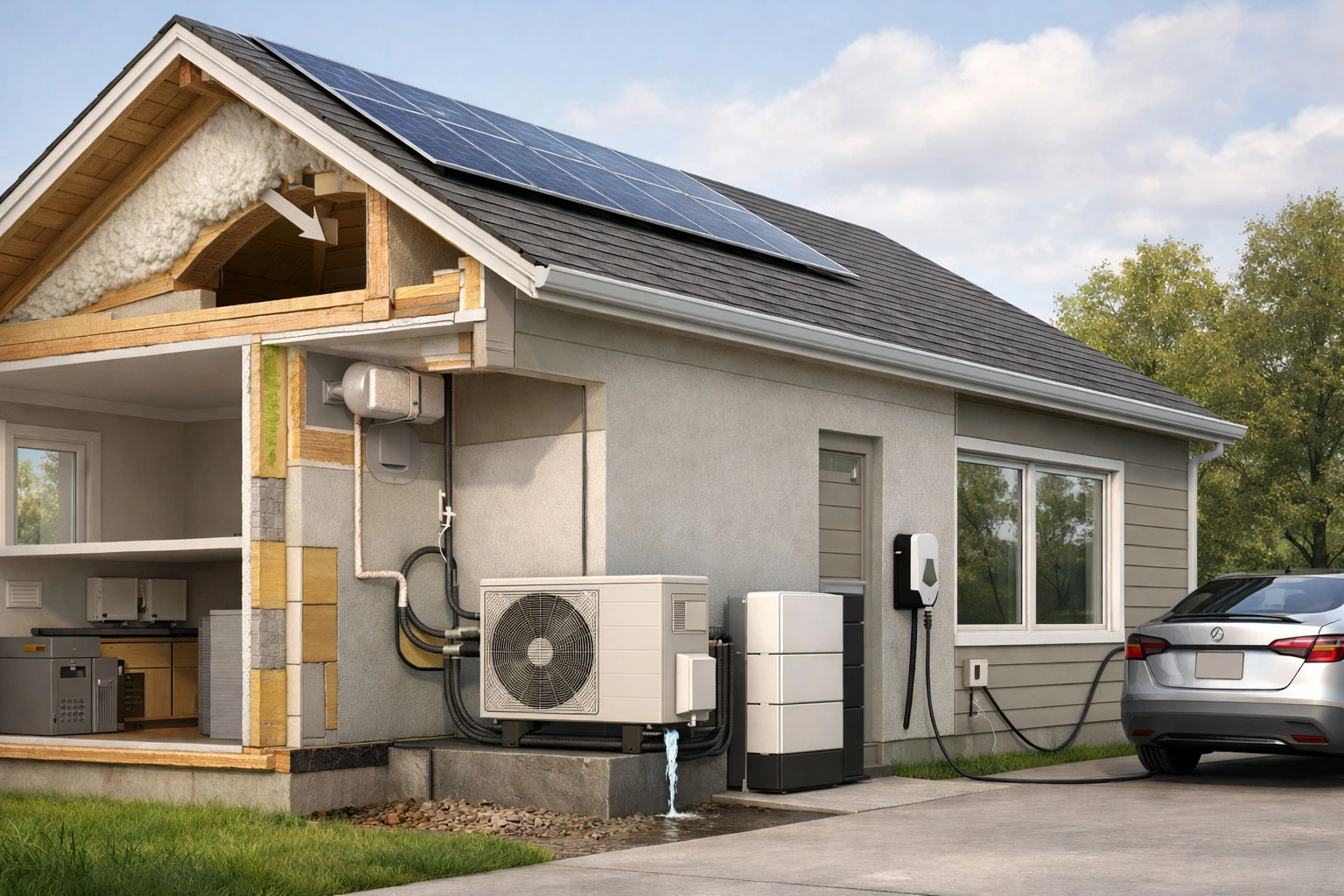
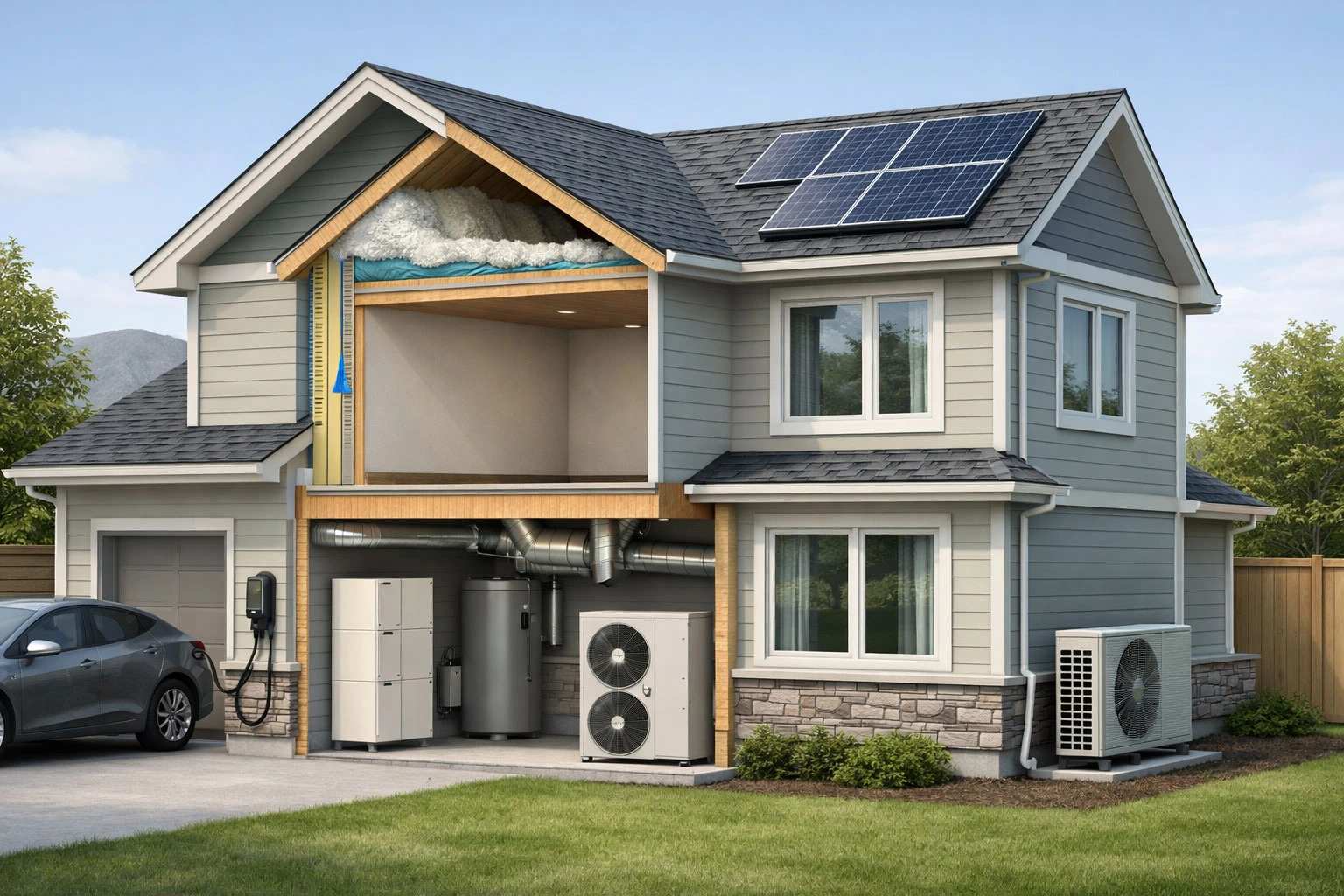
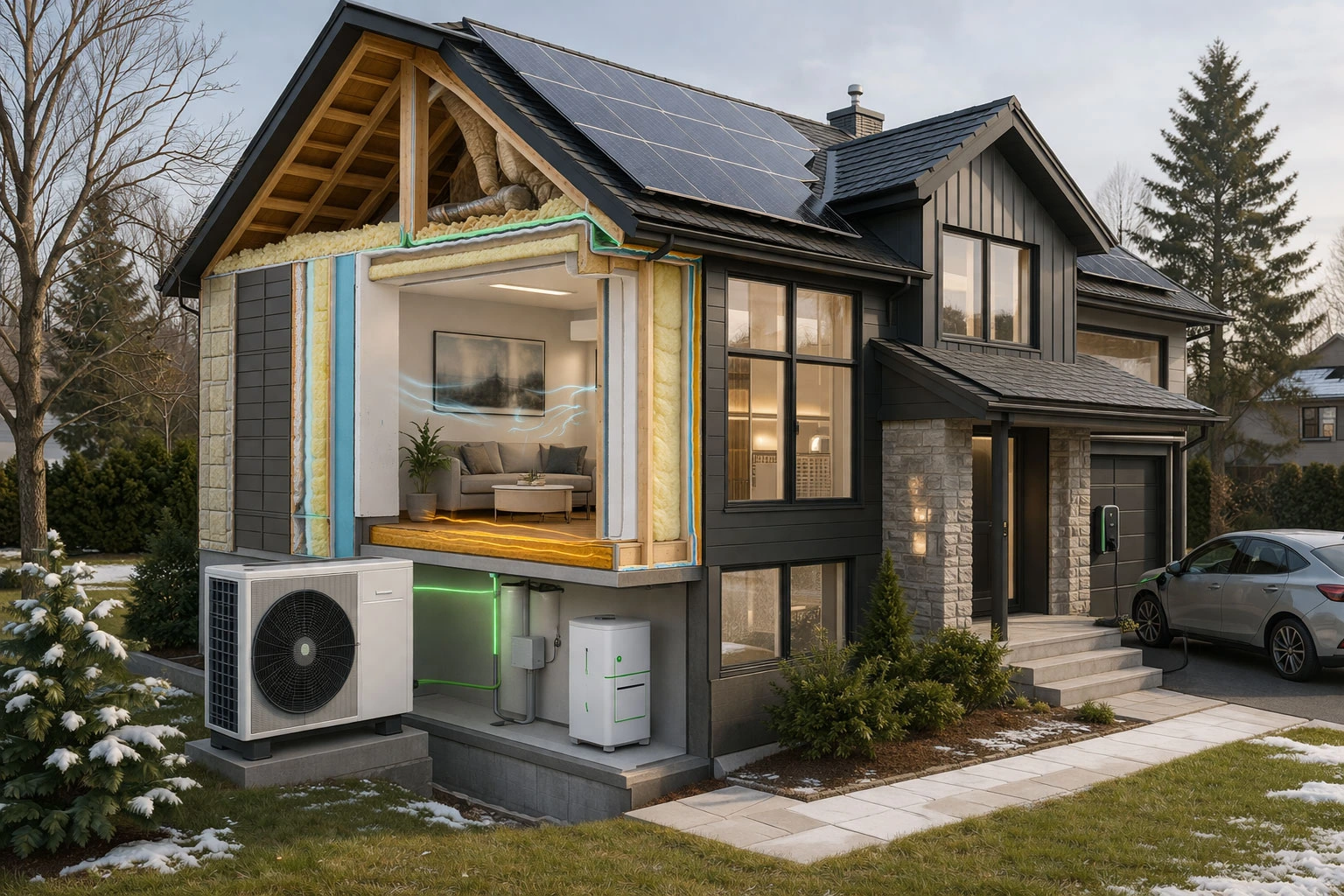
Heat Pumps and the Path to Net Zero
Heat pumps are a cornerstone of Net Zero homes.
They pair naturally with:
- High-performance insulation
- Air sealing improvements
- Solar panel systems
- Smart energy management
In a Net Zero roadmap, the sequence matters:
- Improve building envelope (insulation, sealing)
- Upgrade heating system (heat pump)
- Add renewable energy (solar)
Skipping steps can reduce effectiveness and increase costs.
Conclusion: Making a Confident, Informed Decision
Heat pump costs in Canada vary but the decision shouldn’t feel uncertain.
For some homeowners, it’s a clear financial win. For others, it’s part of a longer-term strategy toward energy independence and comfort.
The key is not just choosing a heat pump but choosing the right system for your home, installed the right way, at the right time.
Book a Personalized Consultation
Every home is different. The best way to understand your true costs, savings, and options is through a tailored assessment.
Book a consultation with Net Zero Homes Consulting to get a customized upgrade roadmap designed for your home, your budget, and your long-term goals.