
Introduction: A Familiar Winter Dilemma
It’s mid-January in Ontario. The snow has settled in, your heating system is working overtime, and the latest hydro bill lands in your inbox higher than expected again. You’ve probably thought about solar panels before, but a question keeps coming back:
Do solar panels actually work in a Canadian winter?
It’s a fair concern. Between snow, shorter days, and freezing temperatures, solar can feel like something better suited for California than Canada. Yet more homeowners across Ontario and other provinces are installing solar every year and seeing real results.
The key is choosing the right system for a cold climate. Not all panels perform equally in winter conditions, and understanding the differences can make or break your investment.
This guide will walk you through how cold climate solar panels work, what to look for, and how to make a confident, informed decision.
How Solar Panels Perform in Cold Climates
There’s a common misconception that solar panels need heat to generate electricity. They don’t.
Solar panels generate power from sunlight not temperature. In fact, cold temperatures can actually improve performance.
Here’s how it plays out in Canada:
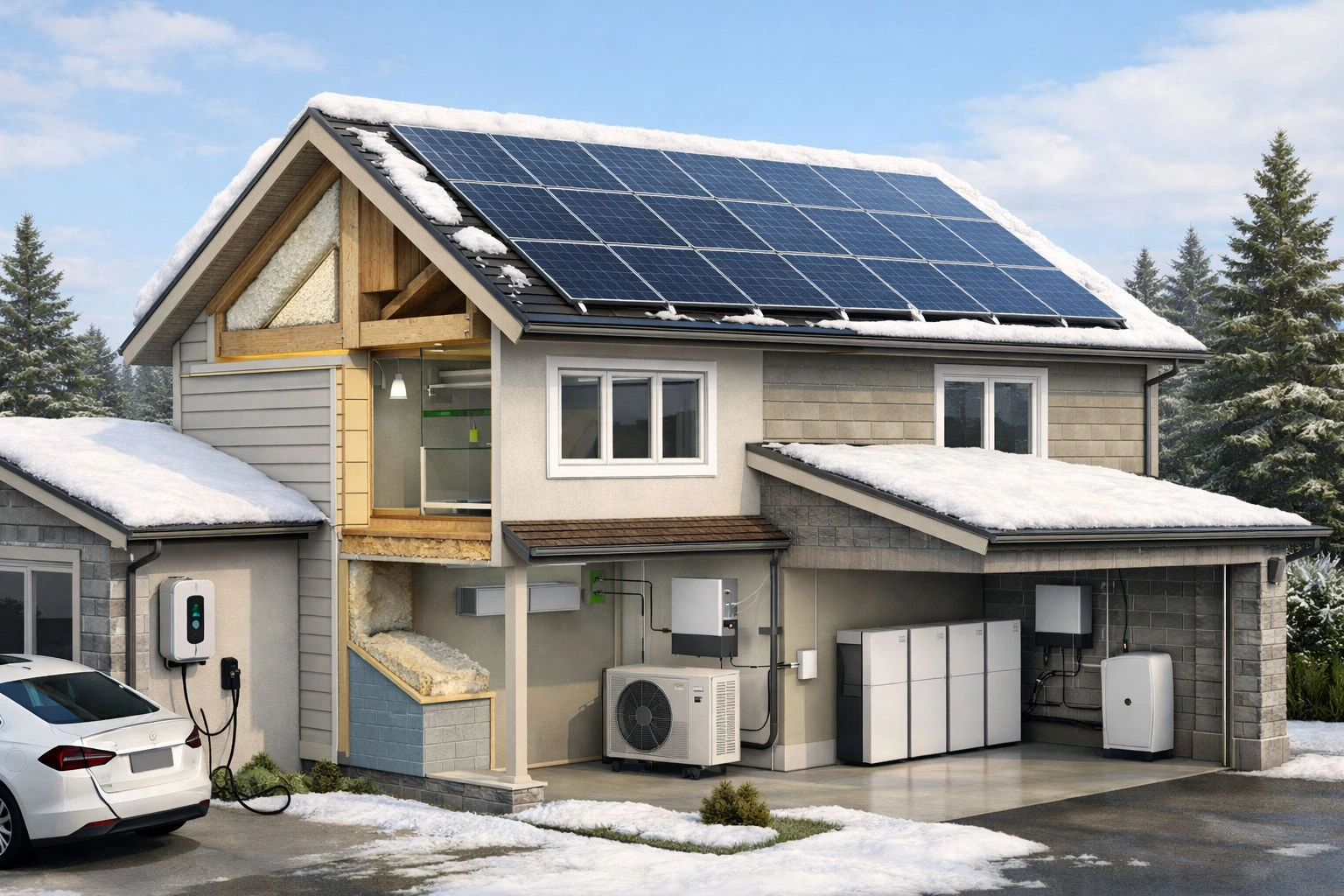
- Cold air increases efficiency: Panels operate more efficiently in lower temperatures compared to extreme heat.
- Snow can reflect sunlight: Fresh snow can boost light reflection (called albedo), slightly increasing output on clear days.
- Shorter days reduce total production: Winter generation is lower due to fewer daylight hours not because of the cold itself.
- Snow coverage can temporarily block output: Panels stop producing only when fully covered.
This is why choosing the best solar panels Canada homeowners can rely on isn’t about avoiding winter it’s about optimizing for it.
What Makes a Solar Panel “Cold Climate Ready”?
Not all solar panels are created equal. For Canadian conditions, certain features matter more than others.
1. High Efficiency Ratings
High efficiency solar panels convert more sunlight into electricity, which is especially valuable during shorter winter days.
Look for panels with:
- Efficiency ratings above 20%
- Strong performance in low-light conditions
This ensures you’re maximizing production when sunlight is limited.
2. Low Temperature Coefficient
This is one of the most overlooked specifications.
The temperature coefficient tells you how much efficiency drops as temperatures rise. In cold climates, you want a lower (less negative) coefficient, because:
- Panels will maintain higher efficiency during temperature swings
- Performance stays stable during sunny but cold days
3. Strong Snow Load Ratings
Canadian winters bring weight sometimes a lot of it.
Look for panels rated to handle:
- High snow loads (often 5,000 Pa or more)
- Durable frame construction
This isn’t just about longevity. It’s about safety and consistent performance over decades.
4. Panel Surface and Snow Shedding
Some panels shed snow better than others depending on:
- Glass coating (hydrophobic surfaces help)
- Installation angle (steeper angles shed snow faster)
Good solar snow performance means less downtime after storms.
5. Bifacial and N-Type Panels (Advanced Options)
For homeowners looking to maximize output:
- Bifacial panels capture reflected light from snow-covered ground
- N-type panels tend to perform better in low-light conditions and degrade more slowly
These are often part of premium, high efficiency solar panels worth considering for long-term ROI.
Energy Savings and ROI: What to Expect
Solar in Canada is not about eliminating your winter bill entirely. It’s about annual balance.
Here’s how it typically works:
- Summer months generate surplus energy
- That surplus offsets winter consumption through net metering
- Annual energy costs drop significantly
For many Ontario homeowners:
- Payback periods often fall within a reasonable long-term window
- Systems continue producing for 25+ years
- Energy savings increase as utility rates rise
The best solar panels for cold climates contribute to ROI by maintaining consistent performance across seasons not just peak summer output.
Common Mistakes Homeowners Make
Solar is a long-term investment, and a few missteps can reduce its effectiveness.
1. Choosing Panels Based on Price Alone
Lower-cost panels may:
- Perform worse in low light
- Degrade faster
- Have weaker snow resistance
2. Ignoring Roof Design
Factors like:
- Roof angle
- Orientation (south-facing is ideal, but not mandatory)
- Shading from trees or nearby structures
…all impact system performance more than most homeowners expect.
3. Oversizing or Undersizing the System
A system that’s too small won’t offset enough energy.
Too large? You may not fully benefit from excess production depending on local policies.
4. Overlooking Installation Quality
Even the best panels can underperform if:
- Wiring is poorly done
- Mounting isn’t optimized
- Snow shedding is not considered
5. Expecting Strong Winter Output
Winter production is lower it’s normal. The goal is annual efficiency, not winter independence.
Step-by-Step: How to Choose the Right System
Making the right decision doesn’t require technical expertise just a structured approach.
Step 1: Assess Your Energy Use
- Review 12 months of utility bills
- Identify seasonal patterns
Step 2: Evaluate Your Roof
- Direction and tilt
- Available space
- Shading issues
Step 3: Prioritize Panel Quality
Focus on:
- High efficiency ratings
- Low temperature coefficient
- Strong durability ratings
Step 4: Compare System Designs
Look beyond panel brand:
- Inverter type (microinverters vs string)
- Battery storage options (if needed)
Step 5: Factor in Incentives
Canada offers:
- Federal programs supporting energy efficiency upgrades
- Provincial incentives (vary by region)
- Net metering programs
These can significantly improve project economics.
Step 6: Work with an Experienced Installer
Cold climate experience matters.
Ask:
- Have they installed systems in similar conditions?
- Do they optimize for snow and winter performance?
Incentives and Rebates in Ontario and Canada
While specific programs evolve, Canadian homeowners can typically access:
- Federal energy efficiency incentives
- Financing programs for clean energy upgrades
- Provincial or utility-level programs (depending on location)
- Net metering policies to offset energy costs
These programs help reduce upfront costs and improve ROI but they work best when integrated into a broader home energy strategy.
When Solar Makes Sense and When It Doesn’t
Solar Makes Sense If:
- You have moderate to high electricity usage
- Your roof has good sun exposure
- You plan to stay in your home long-term
- You’re looking to stabilize energy costs
Solar May Not Be Ideal If:
- Your roof is heavily shaded
- You’re planning to move soon
- Your home has major insulation or air leakage issues (these should be addressed first)
Solar works best when paired with efficiency improvements, not as a standalone fix.
How Solar Fits Into a Net Zero Roadmap
Solar is often one piece of a larger transition toward a high-performance home.
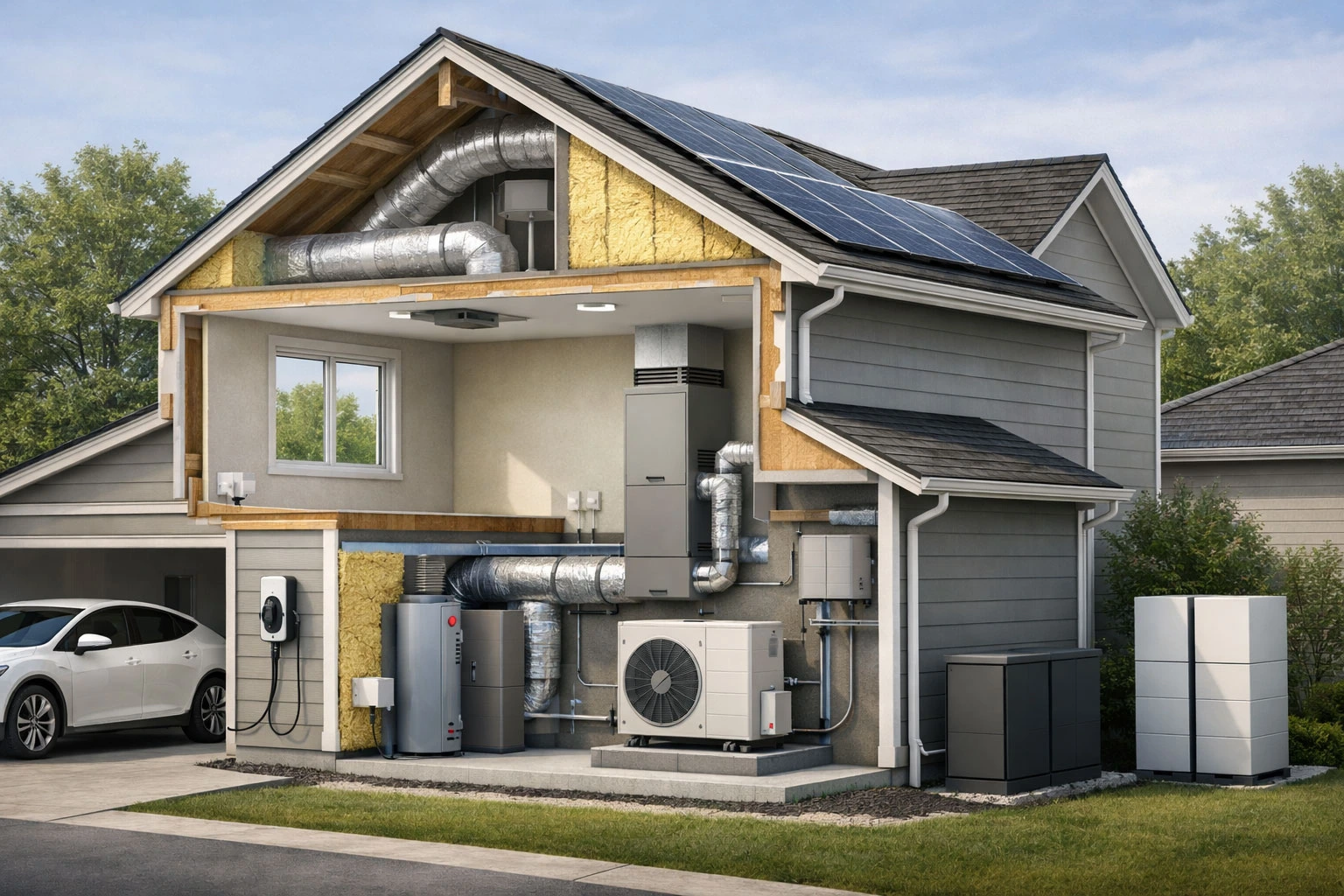
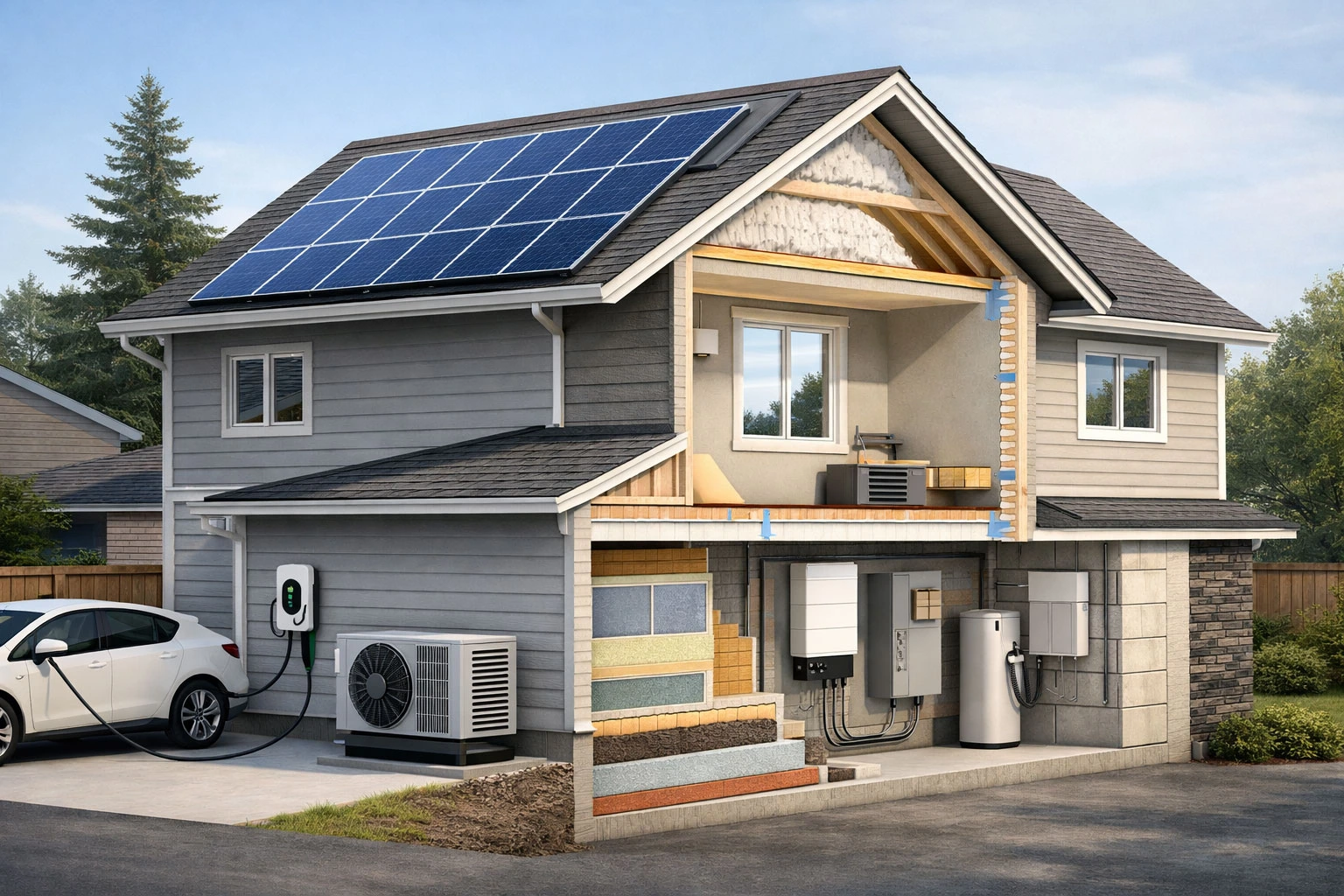
A typical Net Zero pathway includes:
- Air sealing and insulation upgrades
- High-performance windows
- Heat pump installation
- Solar panel system
- Optional battery storage
- EV charger integration
When combined, these upgrades:
- Reduce overall energy demand
- Improve comfort year-round
- Lower long-term operating costs
- Increase home resilience
Solar plays a critical role but it’s most effective when layered into a comprehensive strategy.
Conclusion: Making a Confident, Informed Decision
Solar panels absolutely work in Canada but not all systems are designed with Canadian winters in mind.
Choosing the right cold climate solar panels means looking beyond surface-level specs and focusing on:
- Efficiency in low-light conditions
- Durability under snow loads
- Long-term performance and degradation
- Integration with your home’s overall energy profile
For many homeowners in Ontario, solar is less about chasing trends and more about gaining control over rising energy costs while improving comfort and future-proofing their home.
The key is clarity understanding what works, what doesn’t, and what makes sense for your specific situation.
Ready to Take the Next Step?
If you’re considering solar and want a clear, customized path forward, the next step is simple.
Book a consultation with Net Zero Homes Consulting to get a personalized upgrade roadmap tailored to your home, energy usage, and long-term goals.